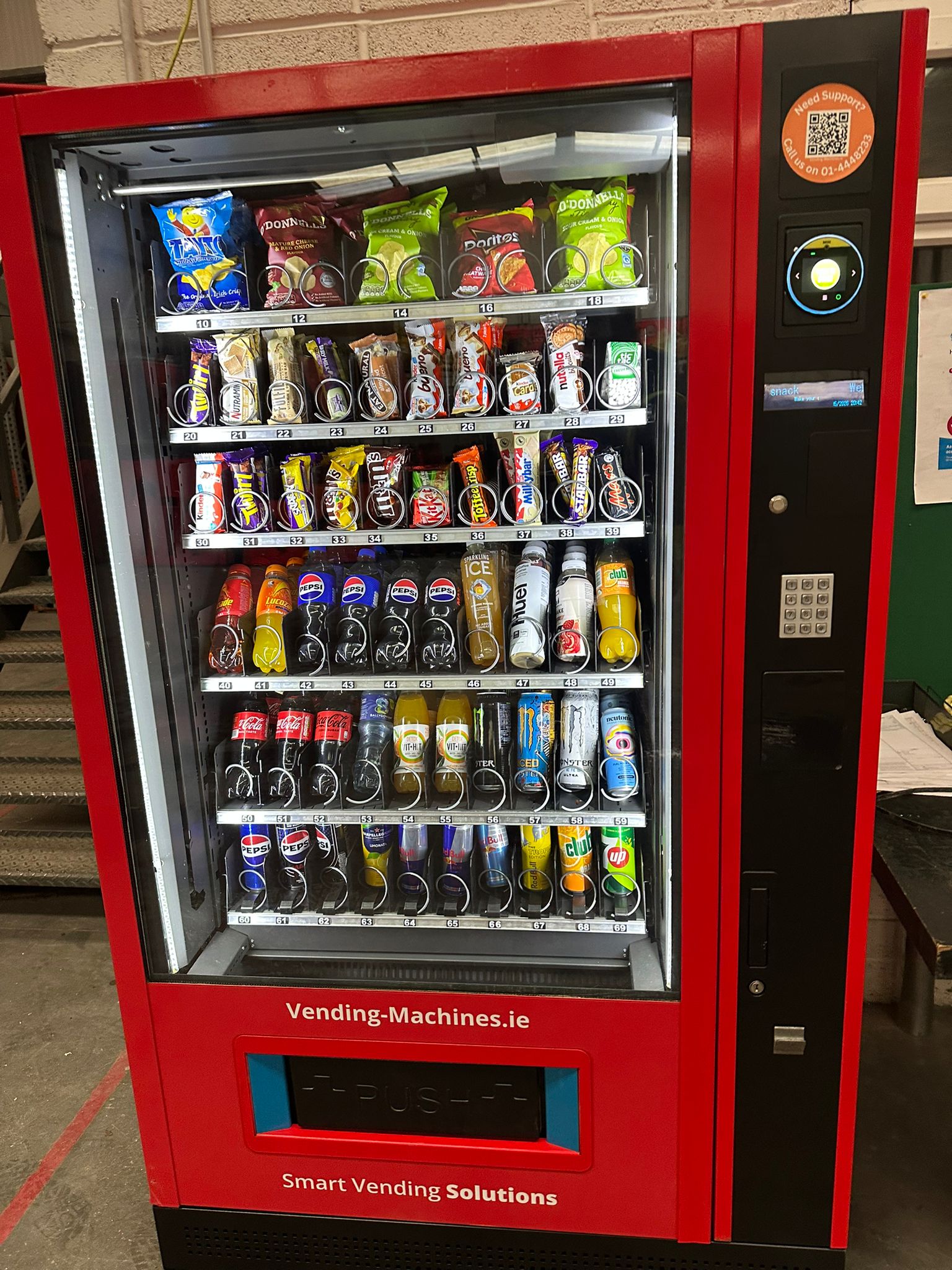
A Vending Product Is Available in Storage but Missing from the Machine: Find the Refill Gap
A popular snack is sitting in the stockroom while its vending selection is empty. Buying more stock will not solve that particular gap. The product needs to move through the refill process at the right time, in the correct pack and under the operator’s agreed loading method. Find where that process stopped before changing the order quantity.
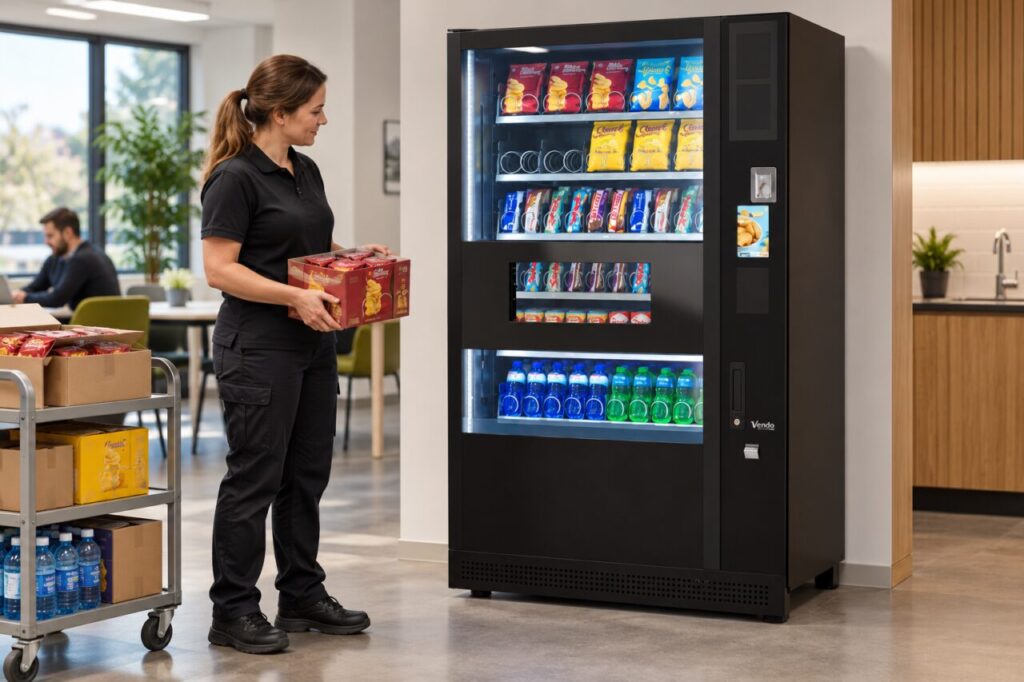
Start with one concrete example: the product, machine, empty selection and time observed. Then check whether the stored stock is genuinely available for that machine. A carton in the building may belong to another site, be reserved for a different purpose or contain a pack that has not been approved for the selection.
Confirm that the stored product is the right stock
Compare the exact product and pack size with the machine’s current range. Check its status through the normal stock-control process rather than assuming any similar-looking carton is suitable. If the stock is awaiting a quality check or has been set aside, it should not be treated as ready for sale simply because customers are asking for it.
Ask the operator who is authorised to refill the machine. A workplace host finding spare stock does not automatically have responsibility or training to load it. Avoid forcing extra products into a lane or replacing one pack with a different size without approval. The aim is to restore the intended service, not create a new dispensing problem.
Trace the last planned refill
Look at the refill list and visit record. Was this product requested, picked and taken to the machine? If the carton remained in storage, identify whether it was missed during picking, inaccessible or absent from the list. If it reached the machine but was not loaded, ask what prevented completion and where that exception was recorded.
This sequence separates a purchasing issue from a movement issue. It also avoids blaming the last person who visited without understanding the information they received. A refill list based on an outdated product map can produce a different failure from a correct list that was not completed during a shortened visit.
Give exceptions a clear destination
Agree how the refill person records stock that could not be loaded. The note should identify the product, quantity and reason, with the next action assigned. A general statement that the machine was serviced is not enough to explain why a requested selection remains empty when stock is available nearby.
For example, the record might state that the correct carton was unavailable at picking time but arrived later. The next question is whether an additional top-up is practical under the service arrangement. Do not assume every delivery automatically triggers a second visit; confirm who reviews the need and communicates the plan to the site.
Measure availability after the process change
Once the gap is resolved, check the same selection over a complete refill interval. Record whether the product remains available and whether the stockroom balance agrees with the recorded movement. This is more informative than checking immediately after loading, when almost any refill process will appear successful.
When reviewing vending arrangements, discuss storage access, picking information and exception reporting alongside visit frequency. A reliable refill process depends on those handovers as well as the amount ordered. Keep the improvement specific so that the next shift can repeat it without relying on one person’s memory of where the spare carton was left.
Related guidance: A Vending Supplier Credit Is Missing from the Statement: Reconcile the Documents.
For help assessing your site, contact Vending-Machines.ie.