
An Unused Vending Spare Part Is Returned: Keep the Return Separate from the Repair
An engineer brings a replacement part to a vending visit, completes the investigation and does not use it. The sealed part is then returned to the supplier. Keep that movement separate from the record of what was repaired. Otherwise, a later reader may assume the component was fitted simply because it appears on the delivery paperwork.
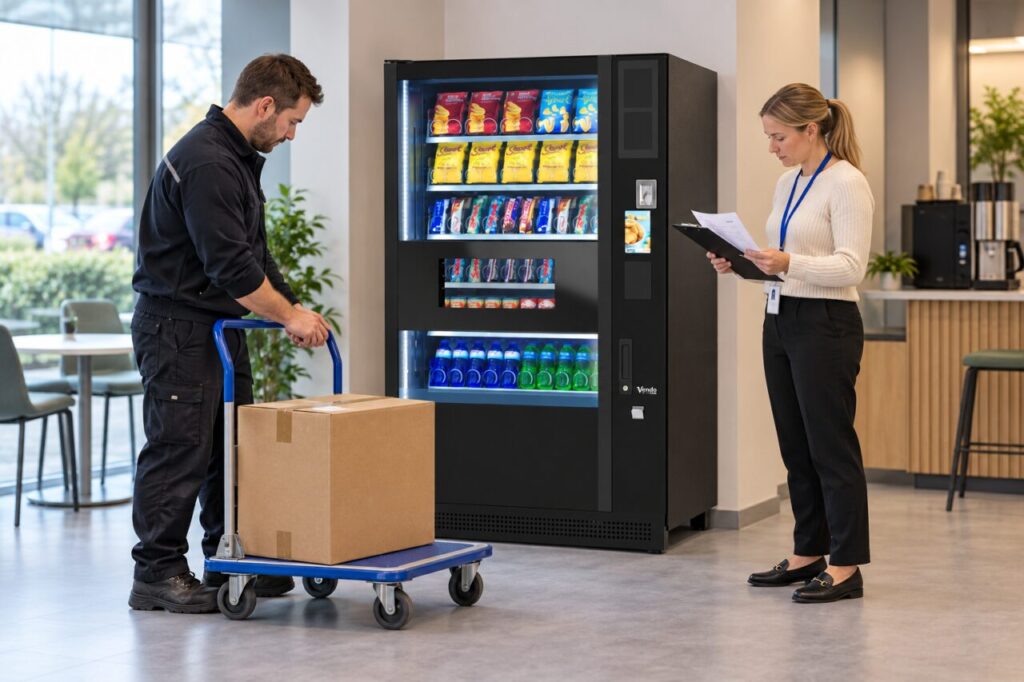
This is a records and coordination task for the site contact, not an instruction to select or fit parts. Compatibility, diagnosis and technical work remain with the authorised service team. Your useful contribution is making sure the equipment history and the commercial paperwork describe what actually happened.
Establish whether the part was used
Ask the engineer or responsible service contact to identify the item and its status. Was it fitted, tested and removed, or never opened? Those are different outcomes. Avoid changing the description to unused if the technical record says it was tried during diagnosis. Use the service team’s wording and ask about uncertainty.
Record the part reference from the paperwork, together with the machine identifier and visit reference. Do not rely on a photograph of a similar-looking component to identify it. If the box or label is unclear, let the supplier resolve that before a return is arranged. The site should not guess a substitute reference.
Confirm who will handle the return
Establish whether the engineer takes the item away or whether the site is expected to hold it for collection. If it remains on site, agree the location and responsible contact. Keep it in its supplied packaging and follow the supplier’s handling instructions. Do not open a sealed component merely to create a more detailed photograph.
Ask for the return instructions and reference before dispatch. A parcel leaving reception is not evidence that the supplier has received or accepted it. Keep the collection or dispatch record linked to the original delivery and visit so any later query can be followed without searching several unrelated email chains.
Keep the repair outcome independent
The service note should explain what work was actually completed and any remaining issue. Returning one part does not establish that the machine is repaired, nor does it mean that the visit achieved nothing. The engineer may have resolved the problem through another action or may still need further investigation.
If the machine remains unavailable, retain that status and the agreed next step. Do not close an operational fault solely because the return paperwork is finished. Likewise, if service has been restored, record the confirmation from the responsible person rather than leaving the site team to infer it from the absence of the spare.
Reconcile charges with the agreed terms
A return may lead to a credit, a revised invoice or no financial adjustment, depending on the original arrangement and supplier acceptance. Ask what applies rather than promising a refund. Keep any handling charge or other adjustment visible so the final record matches the documents actually issued.
For example, an invoice might cover attendance and a separately listed part. If a later credit relates only to the part, do not erase the attendance from the cost record. Match the credit to the specific line and retain the original invoice. This example explains a checking method; it does not state our service prices or return terms.
At closure, a colleague should be able to answer three questions: what happened to the machine, where the spare went and whether any financial adjustment remains outstanding. Those answers may have different completion dates. Keeping them separate makes future troubleshooting and invoice enquiries much clearer.
Related guidance: read Vending Quotes Include Spare Parts: Distinguish Spares from Components Fitted to the Machine for the connected question.
For an enquiry, include the relevant equipment and service reference without sending sensitive payment details.