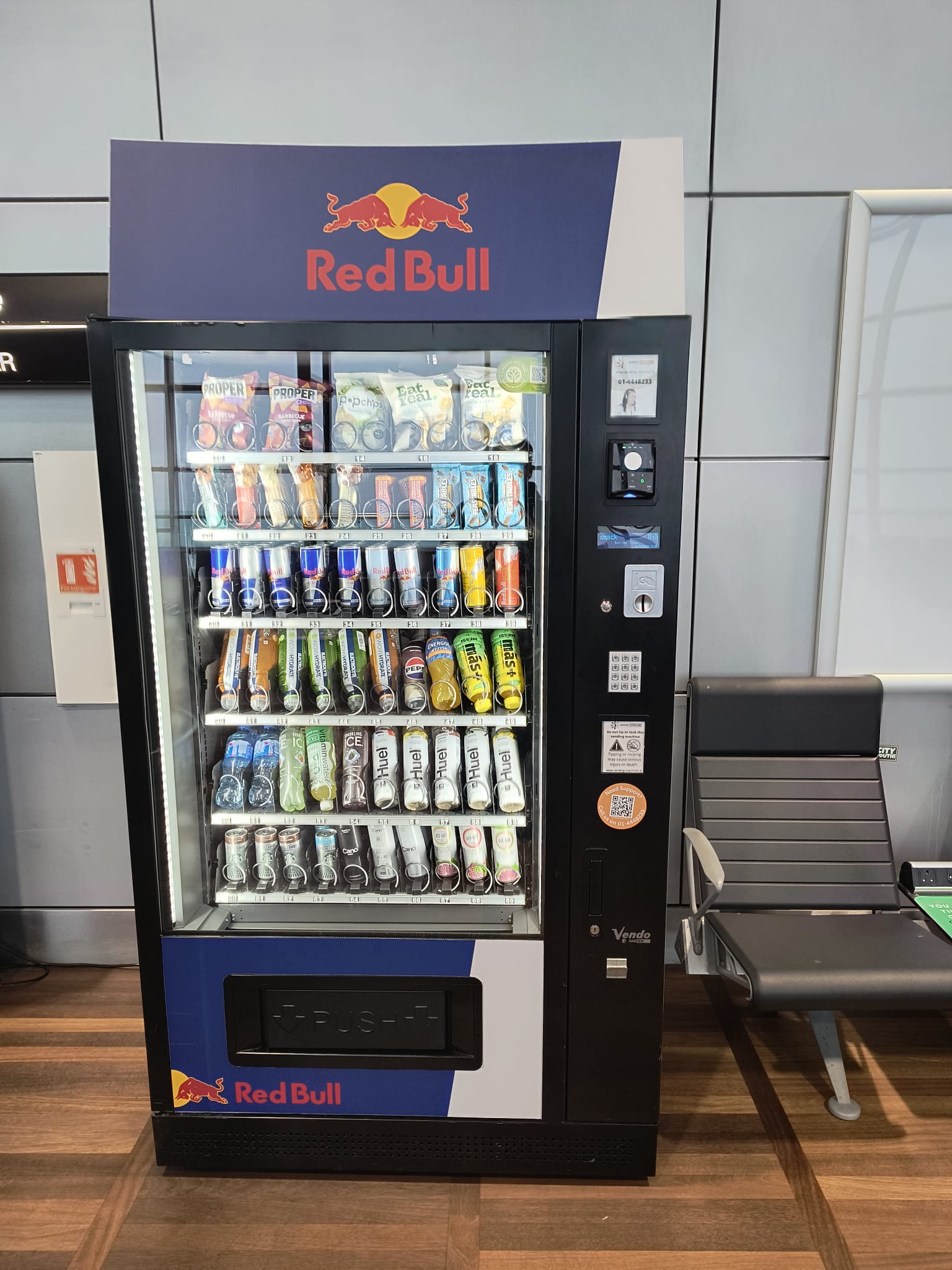
A Vending Machine Faces a Bright Window: Check Reflections at the Actual Buying Time
A vending machine can be easy to read during a morning survey and difficult to use when afternoon sunlight reaches the glass. Reflections may hide products or make instructions harder to see. Before treating a customer complaint as a screen fault or a lack of interest in the range, observe the machine at the time the difficulty occurs.
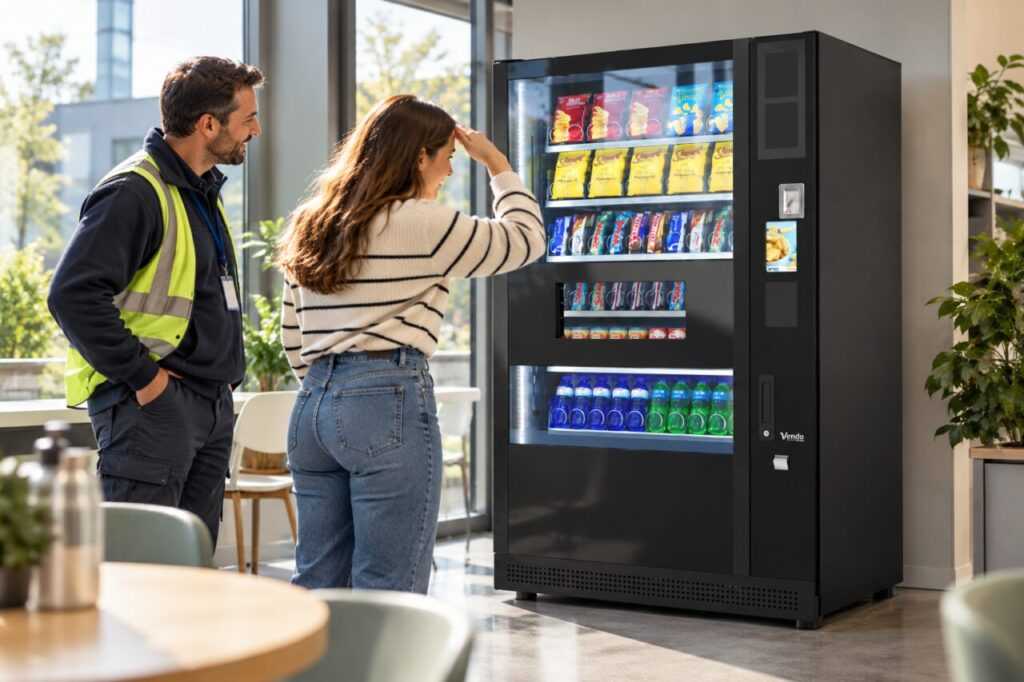
The aim is to understand the actual buying experience. A photograph taken from across the room does not necessarily show what a customer sees while choosing a product. Check the normal approach, viewing position and relevant controls without changing the equipment or obstructing the surrounding area.
Repeat the customer's viewing conditions
Note the time, weather and window position when the problem is reported. Return during a comparable period and look from the usual purchasing distance. Ask whether the difficulty concerns product visibility, price information or instructions. Those are different problems and may need different remedies rather than one general complaint about glare.
Include people who use the machine from different viewing heights where practical. Record their observations without assuming a single comfortable position suits everyone. If photographs help explain the reflection, take them without including other customers or personal information. Keep a simple comparison between the affected period and a time when the machine is easier to read.
Check the room before changing the machine
Review existing blinds, lighting and furniture arrangements with the facilities contact. A room control may have been changed since installation, or a reflective surface may have been added opposite the cabinet. Note these changes for the supplier. Do not cover machine displays, ventilation areas or product windows with improvised materials to block the reflection.
The operator should advise on any equipment adjustment or proposed relocation. A move that improves visibility may affect access, servicing or the delivery route. Treat those implications as part of the assessment. Avoid asking staff to drag a loaded machine into a new position simply because a different wall appears less bright.
Distinguish reflections from operating conditions
Visible glare does not by itself establish whether the machine is operating within its specified environmental conditions. If direct sunlight or room temperature raises a separate concern, ask the supplier to assess it against the documentation for the actual model. Do not infer cooling performance from how the cabinet feels or from the appearance of the glass.
Manufacturer material, such as the SandenVendo G-Snack Evolution information, helps identify the equipment being discussed. It does not replace a site assessment. Give the supplier the room observations and ask what requirements apply to the proposed location and configuration.
Test the agreed remedy at the difficult time
Once an approved change is made, revisit during the affected period. Check that customers can see the relevant information without adopting an awkward position. Also inspect the approach route and nearby seating so that an improvement for one task has not created a new obstruction elsewhere in the room.
Keep the result in the site record with the date and conditions observed. If the issue varies seasonally, plan a later review rather than declaring it permanently solved after one cloudy day. When arranging vending for an Irish workplace, include visibility at normal buying times in the placement discussion. It is a small check that can make the final location more usable.
Related guidance: Vending Queues and Fire Exits: Check More Than the Cabinet Footprint.
For help assessing your site, contact Vending-Machines.ie.