
What Are the Security Risks of Running Smart Vending Machines?
Smart vending machines are changing the way we buy snacks, drinks, electronics, and more. These advanced machines use internet connectivity, cashless payment options, and real-time monitoring to improve service. However, running smart vending machines also brings certain security risks that operators should not ignore. Knowing these risks is key to protecting your customers, data, and revenue.
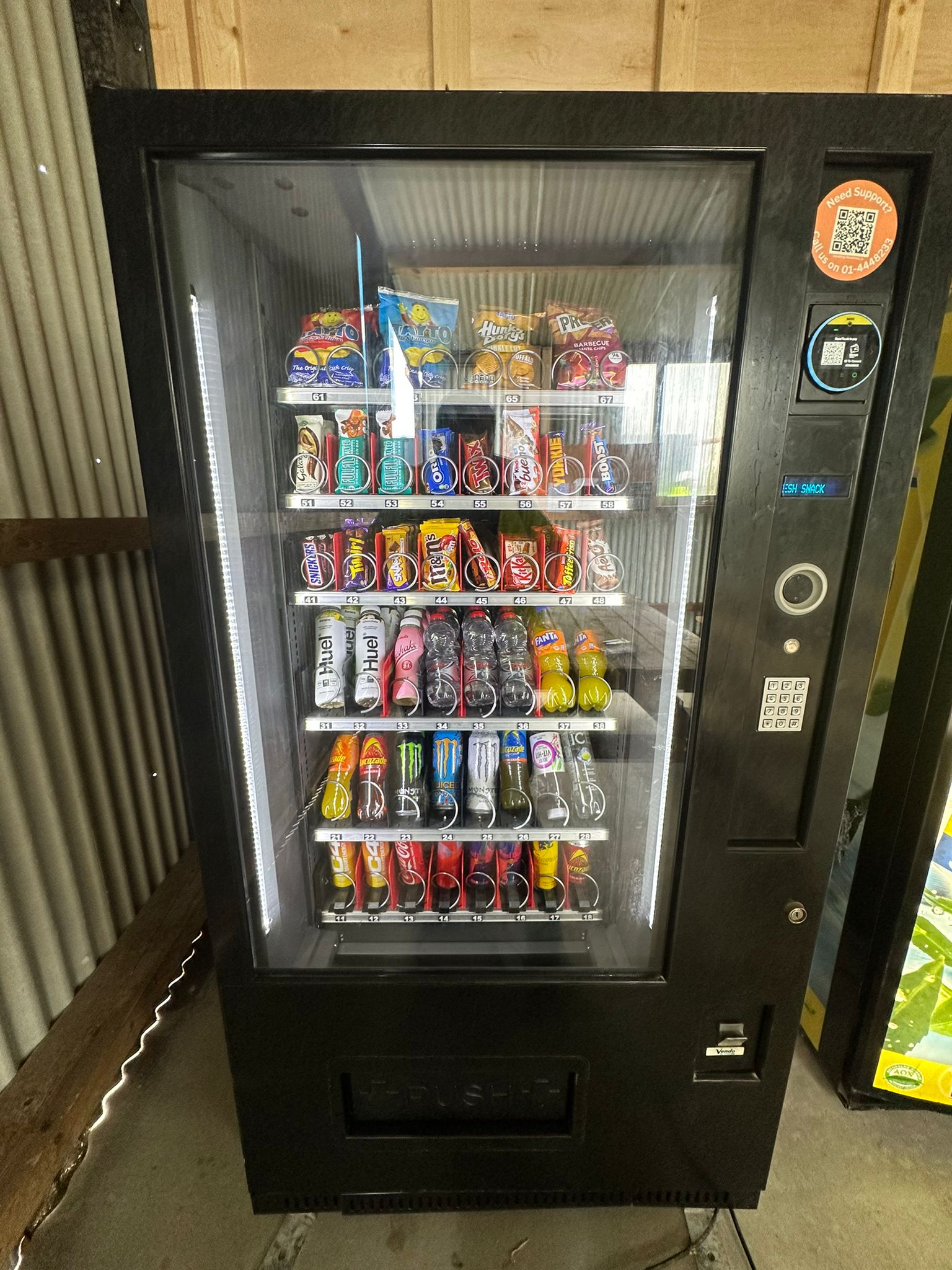
Data Privacy Risks When Running Smart Vending Machines
Smart vending machines collect a variety of data. This includes purchase history, payment information, and sometimes even location data. While this information is useful for marketing and inventory control, it must be protected. Without strong security measures, cybercriminals can access customer data and exploit it. If your machines accept card or mobile payments, encryption and secure servers are a must. Also, limit the amount of customer data stored on the machine itself. When running smart vending machines, it is your responsibility to follow privacy regulations and secure sensitive information.
Network Vulnerabilities and Remote Access
Because these machines connect to the internet, they are exposed to potential network threats. Hackers can attempt to access machines through unsecured Wi-Fi or weak software. If successful, they may control inventory systems, change prices, or steal financial data. Running smart vending machines safely requires protected networks and strong authentication protocols. Firewalls, VPNs, and regular system updates can go a long way in keeping your machines secure.
Payment Fraud and Skimming Threats
Smart vending machines that accept credit or debit cards must guard against payment fraud. Skimming devices and fake card readers are often used by criminals to steal information. Even though smart machines are more secure than older models, the threat still exists. Operators should inspect machines regularly for tampering. Any unusual signs around the payment unit should be investigated. Running smart vending machines means taking active steps to protect both the machine and the people who use it.
Physical Theft and Machine Tampering
Not all security risks are digital. Smart vending machines still face physical threats. Criminals may try to break into the machine or remove parts. While many modern vending units include built-in alarms and locks, location still plays a big role. Placing machines in secure, well-lit areas reduces the chance of theft. When running smart vending machines, always consider both digital and physical security in your setup plan. It’s a smart move to install cameras or partner with locations that have surveillance. For more tips on machine placement and advanced vending solutions, visit vending-machines.ie. Their expert team can guide you through the latest technology and safety features for your business.
Software Bugs and System Downtime
Smart vending machines run on software. If the software has bugs or compatibility issues, it can lead to service disruption or security holes. That means customers could face payment failures or lose money. Worse, faulty software can be exploited by hackers. To avoid this, use trusted software providers and update your systems regularly. Running smart vending machines with outdated software increases the chance of failure and security breaches. Want help securing your vending operations? Contact us today to find the best solutions for running smart vending machines with confidence.


