
What Differentiates Traditional and Modern Vending Machines?
Vending machines have changed a lot over the years. While traditional models focused on simple cash based transactions, technology has transformed how machines operate today. As a result, businesses now rely on smarter systems that improve efficiency and customer satisfaction. Understanding the differences between traditional vending machines and modern vending machines helps operators choose better solutions for long term success.
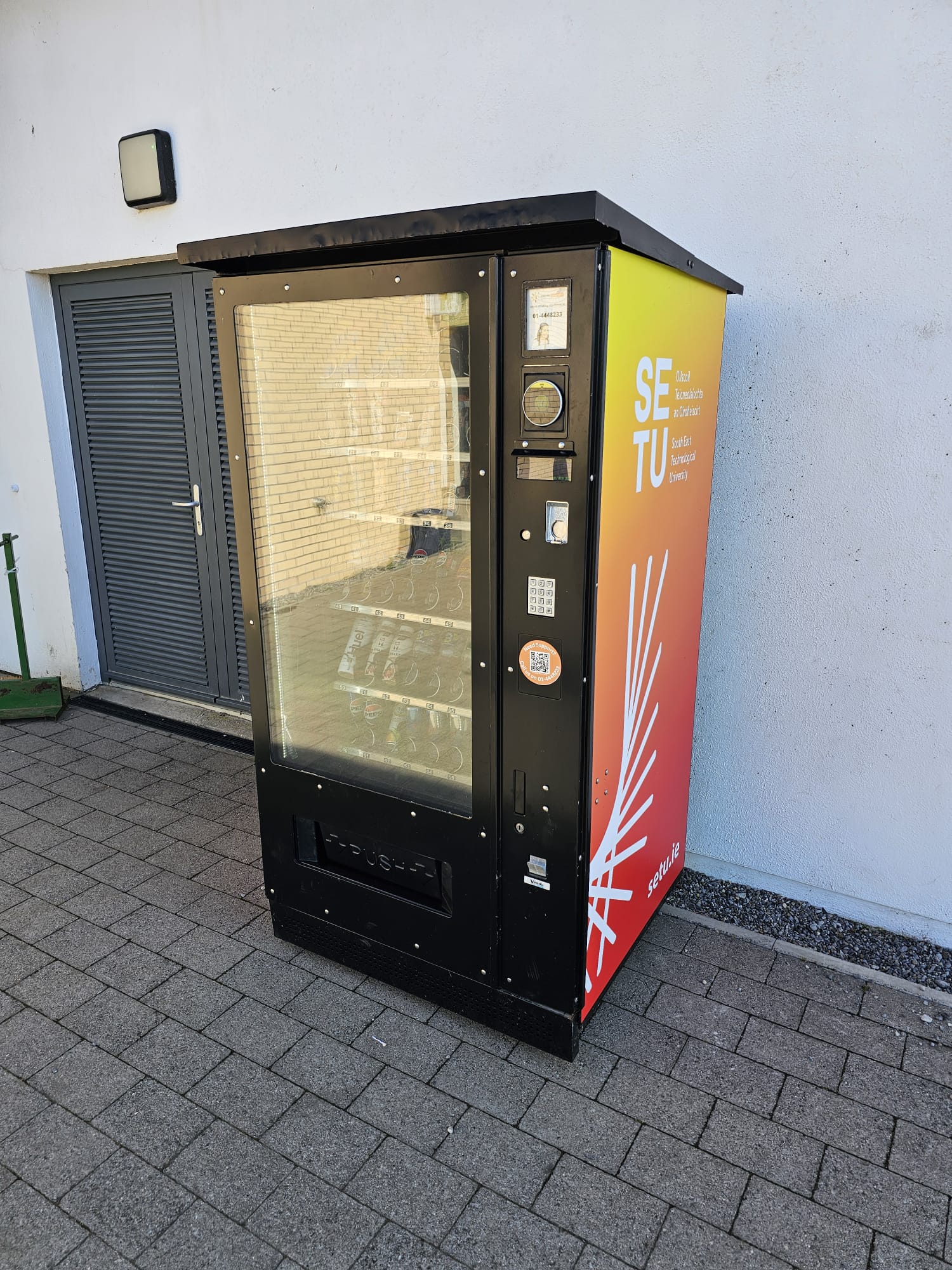
Traditional and Modern Vending Machines Basics
Traditional vending machines are simple in design. They usually accept only cash and offer limited product choices. However, modern vending machines use advanced technology to improve functionality and user experience. For example, they often support digital payments and real time tracking. Therefore, operators gain better control over inventory and sales performance. In addition, modern vending machines provide faster service, which improves customer satisfaction.
Payment Systems in Modern Vending Machines
One major difference lies in payment options. Traditional machines rely heavily on coins and notes. As a result, they limit customer convenience. On the other hand, modern vending machines support multiple payment methods. These include contactless cards and mobile wallets. Consequently, customers can make quick and easy purchases. This flexibility increases usage and helps improve overall revenue. Therefore, payment innovation plays a key role in the success of modern vending machines.
Technology Features in Modern Vending Machines
Technology is another key factor that separates the two types. Traditional machines do not offer advanced monitoring systems. However, modern vending machines include smart sensors and data tracking tools. These features help operators monitor stock levels in real time. Moreover, they can identify product performance and reduce waste. Vending-machines.ie highlights how smart solutions are shaping the future of the vending industry. As a result, operators can make better decisions and improve efficiency.
Inventory Control in Modern Vending Machines
Inventory management is much easier with modern systems. Traditional machines require manual checks, which take time and effort. In contrast, modern vending machines provide automated alerts when stock runs low. Therefore, operators can restock faster and avoid product shortages. Additionally, they can track which items sell best in different locations. This data driven approach helps reduce losses and improve profitability over time.
Customer Experience with Modern Machines
Customer expectations have also changed. Traditional machines offer limited interaction and basic functionality. However, modern vending machines focus on convenience and personalization. For example, some systems recommend popular products or display nutritional information. Furthermore, faster transactions improve the buying experience. As a result, customers are more likely to return and make repeat purchases. Better experiences directly support stronger business performance.
Why Modern Vending Machines Drive Business Growth
Modern vending machines help operators grow their businesses more effectively. They combine technology, data, and convenience to create better results. Additionally, they reduce operational challenges such as manual tracking and product waste. While traditional machines still exist, they cannot compete with advanced features. Therefore, many businesses are upgrading to smarter systems to stay competitive in the market.
Conclusion
In conclusion, the difference between traditional and modern vending machines is clear. Technology, payment flexibility, and data driven management all play important roles. If you want to explore smarter vending solutions or improve your current setup, contact us today.
Related Posts
 What Are the Differences Between Traditional and Modern Vending Machines?
Vending machines have come a long way, evolving from simple snack and beverage dispensers to…
 What’s the Difference Between Old and Modern Vending Machines?
Vending machines have evolved significantly, moving from simple, coin-operated devices to smart, cashless, and AI-driven…
 What Differentiates a Modern Vending Machine from Traditional?
Many people still see vending machines as simple snack dispensers, but that view is changing…