
What Energy-Efficient Vending Machines Exist?
Energy costs continue to influence how vending businesses operate. Therefore, many operators are looking for practical ways to reduce electricity use while maintaining reliable service. Modern vending technology now offers several options that consume less power without sacrificing convenience or performance. Moreover, selecting the right machine can lower operating costs while supporting long term sustainability goals. Features such as LED lighting, advanced cooling systems, and smart energy saving modes help improve efficiency while reducing electricity consumption. As technology continues to evolve, businesses have more opportunities to invest in solutions that deliver reliable performance, reduce expenses, and support environmentally responsible operations. Understanding these options helps operators make smarter long term investment decisions.
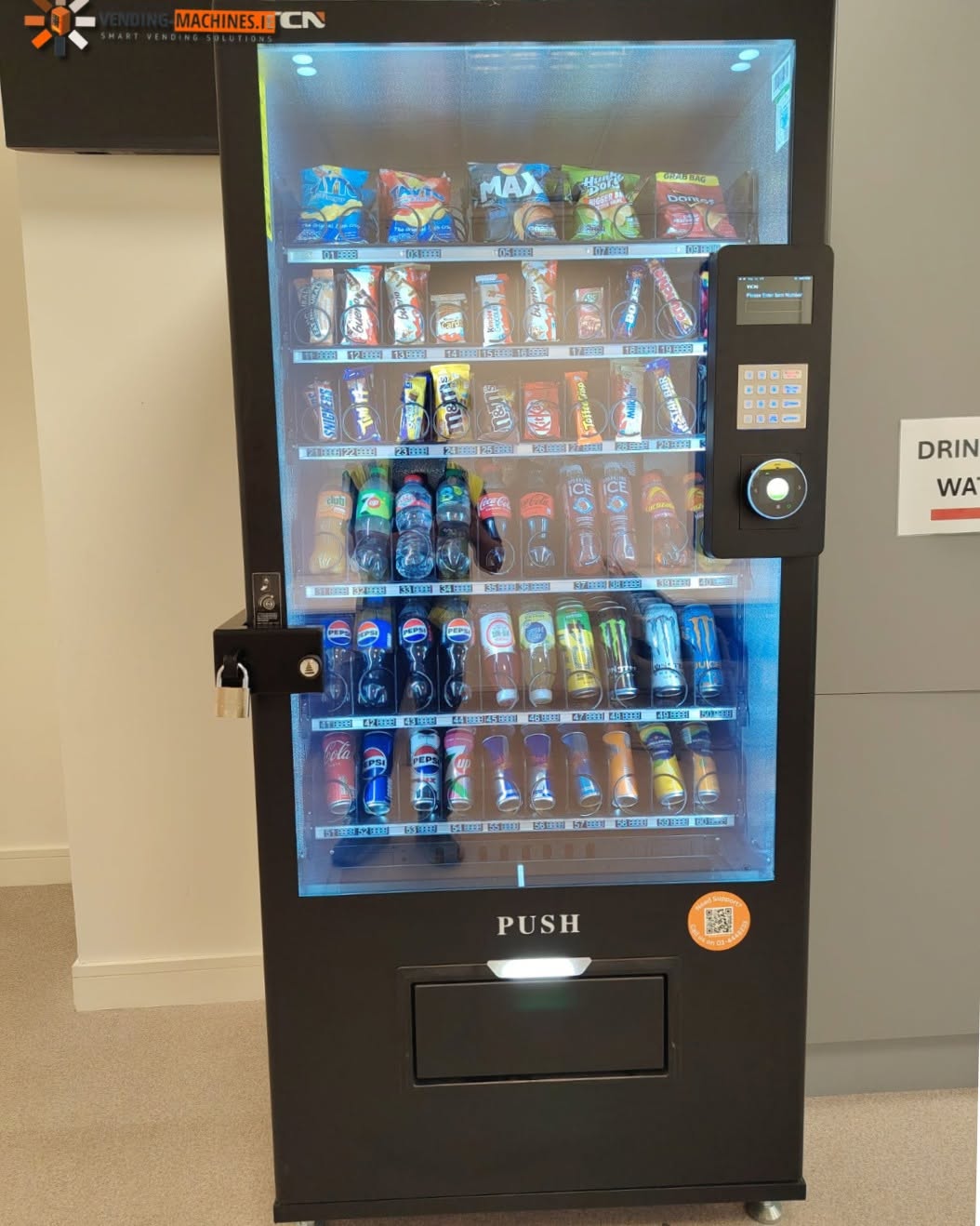
Features of Efficient Vending Machines
Many efficient vending machines include advanced cooling systems that use less electricity than older models. Additionally, LED lighting consumes less power while providing bright product displays. Some machines also include energy saving modes that reduce power consumption during quiet hours. As a result, businesses can lower utility costs without affecting customer access. Furthermore, improved insulation helps maintain the correct temperature while reducing the workload on cooling systems. Smart controllers may also optimize energy use based on operating conditions. Together, these features improve efficiency, reduce operating expenses, extend equipment life, and support more sustainable vending operations without compromising performance or customer convenience.
Smart Technology in Efficient Vending Machines
Technology continues to improve the performance of efficient vending machines. Smart sensors can detect customer activity and adjust lighting or cooling when machines are not in use. Therefore, unnecessary energy consumption is reduced throughout the day. Remote monitoring systems also allow operators to identify maintenance needs before they become larger problems. For more information about modern vending solutions, visit vending-machines.ie. Additionally, businesses can use performance data to improve machine efficiency and support better operational decisions.
Choosing Efficient Vending Machines for Different Locations
Not every vending location has the same requirements. Therefore, businesses should consider customer traffic, available space, and product types before selecting equipment. Smaller locations may benefit from compact machines with lower energy demands, while larger sites may require machines with greater storage capacity and advanced energy management features. Moreover, matching the machine to the location helps improve efficiency while supporting customer satisfaction. Careful planning also helps businesses achieve better long term results.
Maintenance Supports Better Energy Performance
Regular maintenance is essential for keeping vending machines operating efficiently. Clean cooling systems, properly sealed doors, and routine inspections help prevent unnecessary energy use. Furthermore, replacing worn components before they fail can improve overall performance and reduce repair costs. Operators should also monitor machine performance regularly to identify opportunities for additional savings. Consequently, consistent maintenance helps extend equipment life while reducing operating expenses.
Final Thoughts
The future of vending technology continues to focus on improving energy efficiency. Manufacturers are developing smarter systems that optimize power usage while maintaining reliable service. Additionally, better monitoring tools and improved components will continue helping businesses reduce electricity consumption. As technology evolves, efficient vending machines will become even more practical for businesses of every size. Contact us today to learn how modern vending solutions can help improve efficiency, reduce operating costs, and support your business goals.


