
What Is the Future of Voice-Activated Vending Machines?
Vending machines have come a long way from simply dispensing snacks and drinks. With smart technology becoming part of our daily lives, the rise of voice-activated vending machines is shaping a whole new future for convenience and automation. But what does that really mean for users and businesses alike? Let’s explore how these machines are evolving and what we can expect in the coming years.
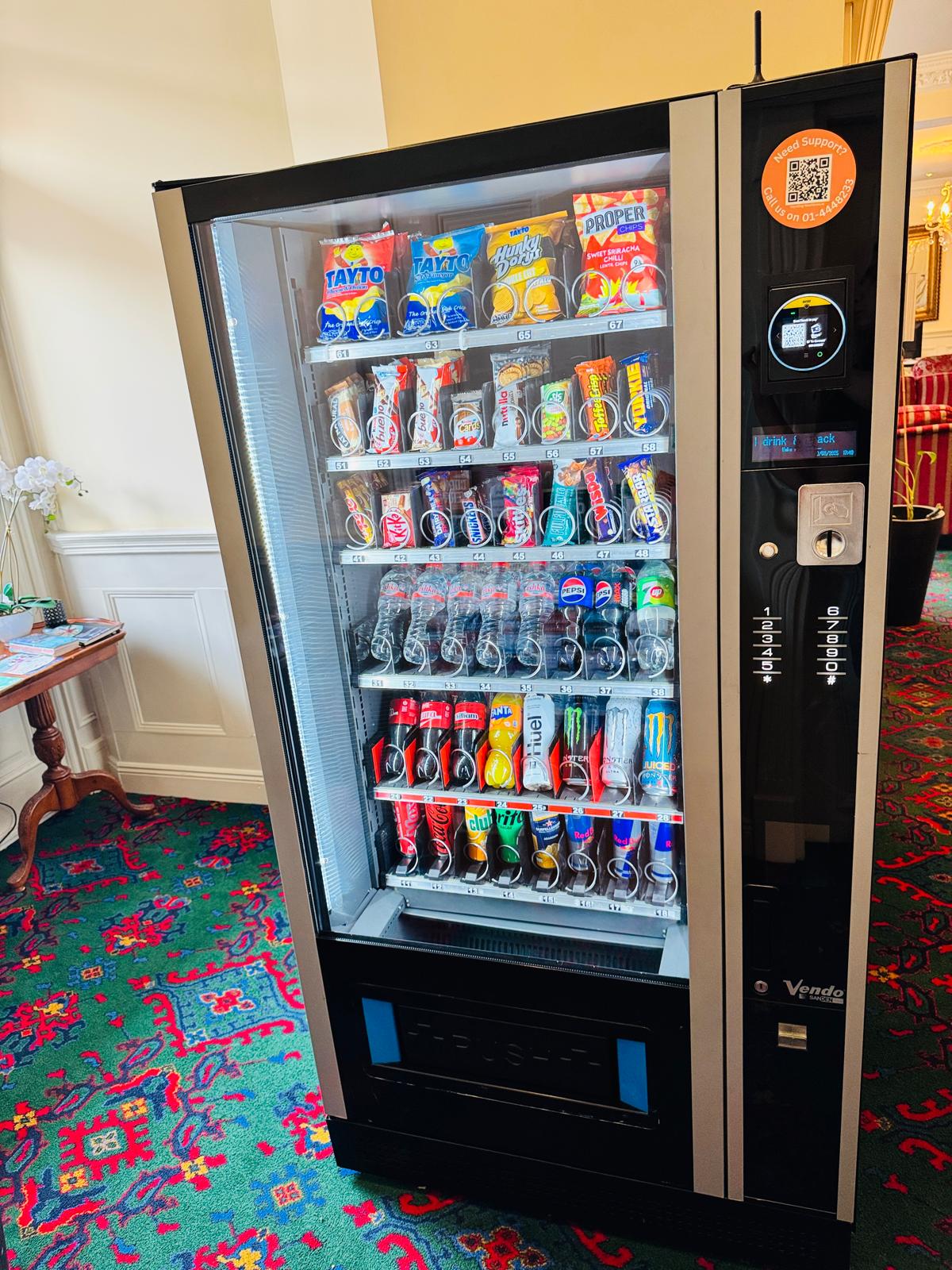
The Rise of Voice-Activated Vending Machines
Voice-activated vending machines use speech recognition technology to allow users to communicate with the machine verbally. Instead of tapping buttons or using touchscreens, customers can speak their requests aloud. For example, a customer might say, “Give me a bottle of water,” and the machine will process the command, complete the transaction, and deliver the item. This hands-free interaction is not only faster but also more hygienic, which has become a top concern in recent years. As more people look for contactless options, voice control is stepping in as a natural solution.
How Voice Commands Improve Customer Experience
One of the main benefits of voice-activated vending machines is their user-friendly interface. Customers no longer need to scroll through endless menus. Instead, they can simply say what they want. This streamlined experience is especially helpful for those with disabilities or vision impairments, allowing greater accessibility. Moreover, voice control can handle multiple languages and accents. This adaptability makes vending machines more versatile in multicultural environments like airports, hospitals, and universities.
Integrating AI for Smarter Vending
AI is playing a significant role in enhancing the power of voice-activated vending machines. These smart systems can learn from previous customer interactions to suggest products, recognize returning users, and even personalize recommendations. Over time, the machine becomes smarter and more efficient. For instance, if someone regularly buys coffee at 9 a.m., the vending machine might greet them with a prompt like, “Would you like your usual morning coffee today?” This kind of experience builds customer loyalty and encourages repeat use.
What Businesses Gain from Voice Technology
Businesses that invest in voice-activated vending machines can expect several advantages. First, these machines reduce the need for physical maintenance because fewer moving parts (like buttons or touchscreens) wear out. Second, voice interaction provides unique customer insights. By analyzing common voice commands, businesses can understand buying behavior and improve product placement. Additionally, these machines often stand out in crowded public spaces, attracting more users with their futuristic appeal. As a result, they increase revenue potential while offering something modern and memorable. To learn more about implementing smart vending solutions in Ireland, visit vending-machines.ie.
Challenges and Considerations
Despite all the benefits, voice-activated vending machines do face some challenges. For example, noisy environments may interfere with voice recognition. However, improvements in noise-canceling microphones and AI processing are helping solve this issue. Privacy is another concern. Customers may hesitate to speak commands in public, especially when payment information is involved. But secure voice authentication methods are under development to address these concerns and ensure safe transactions.
The Future Is Voice-Enabled and Convenient
Looking ahead, voice-activated vending machines will likely become a standard feature in many public places. As voice assistants like Siri, Alexa, and Google Assistant gain popularity, people will feel increasingly comfortable using voice commands in everyday tasks, including vending. By offering faster service, greater accessibility, and smarter features, these machines are not just a trend—they’re a glimpse into the future of retail automation. Contact us today to learn how your business can benefit from installing modern vending machines that meet the evolving expectations of today’s customers.


