Which Regulations Apply in High Security Zones?
High security zones require strict rules to protect people, assets, and operations at all times. Therefore, businesses must follow detailed regulatory frameworks before installing any equipment or starting any activity. In many cases, these environments include airports, military facilities, data centers, and government buildings. Moreover, compliance ensures safety, reduces risks, and prevents unauthorized access to sensitive areas. The term high security zones refers to locations where control measures are significantly higher than standard sites. As a result, operators must fully understand both legal and operational requirements. Furthermore, failure to comply can lead to penalties, delays, and restricted access to critical areas.
Security Clearance And Access Rules In High Security Zones
Access control is one of the most important factors in high security zones. Therefore, only authorized personnel can enter restricted areas at any time. In addition, background checks and security clearance are often required before access is granted. Meanwhile, visitors must follow strict identification procedures and security checks at all times. Consequently, installation teams need prior approval before entering a site or starting any work. Furthermore, scheduling tasks in advance helps avoid delays, confusion, and security breaches. These rules ensure that every activity inside high security zones remains fully monitored, tightly controlled, and aligned with safety and compliance requirements.
Equipment And Installation Standards In High Security Zones
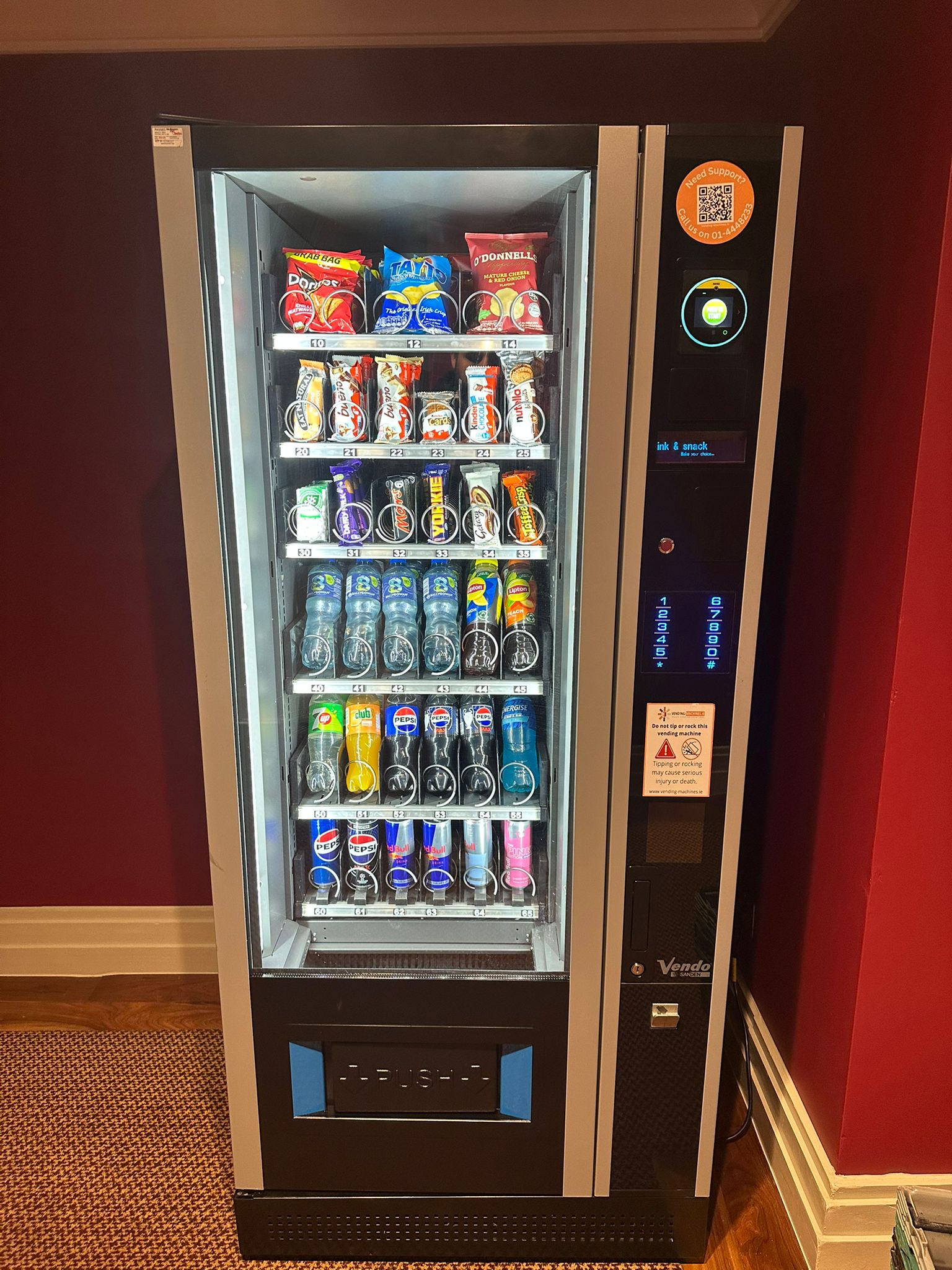
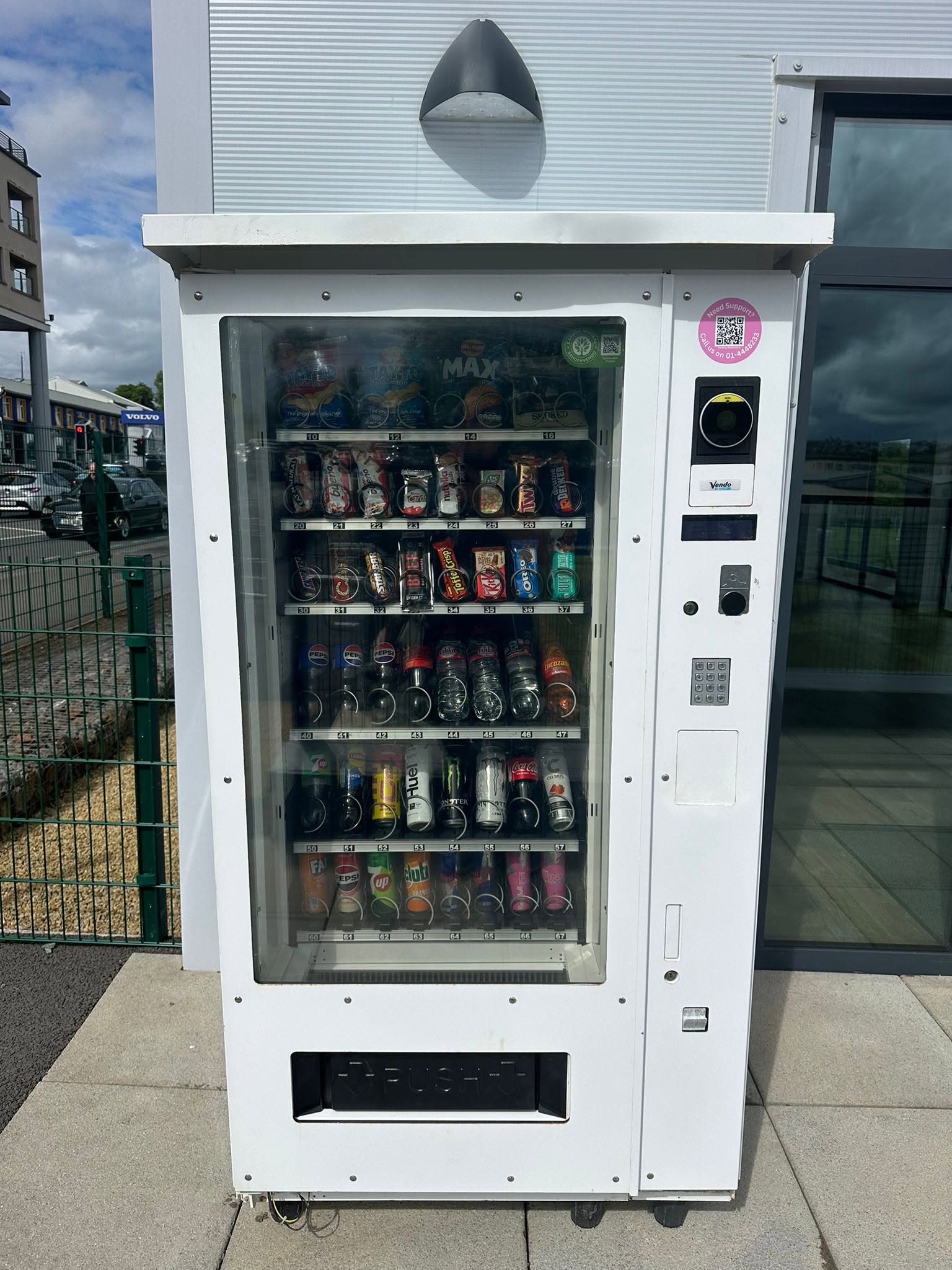
In high security zones, equipment selection plays a critical role in regulated environments. Therefore, all machines must meet safety and durability standards. In addition, installations often require inspection and approval before use. Operators must also ensure that machines do not interfere with security systems. For more guidance on vending solutions, vending-machines.ie can help businesses understand equipment requirements. Moreover, secure mounting and tamper resistant designs are essential. As a result, these environments maintain both safety and operational efficiency without compromise.
Compliance Procedures And Monitoring In High Security Zones
Compliance requires ongoing monitoring and documentation to ensure full regulatory alignment. Therefore, operators must keep detailed records of maintenance activities, inspections, and system updates at all times. In addition, regular audits help confirm that all regulations are being followed correctly and consistently. Meanwhile, reporting systems allow teams to identify potential issues early before they become serious problems. Consequently, businesses can address risks quickly and prevent operational disruptions. Furthermore, clear communication with site authorities is essential for smooth coordination. This structured approach ensures long term reliability, stronger accountability, and improved safety across all high security environments and controlled operational areas.
Operational Restrictions And Daily Management
Daily operations in restricted environments are carefully controlled. Therefore, working hours and access times are often limited. In addition, all activities must follow predefined security protocols. Meanwhile, staff must receive proper training before entering these areas. Consequently, mistakes are reduced and safety improves. Furthermore, continuous coordination with security teams ensures smooth operations. These restrictions help maintain order and protect sensitive environments.
Final Thoughts
Long term success in regulated environments depends on discipline and consistency. Therefore, businesses must review procedures regularly and update systems when needed. In addition, staff training should remain ongoing to match evolving requirements. Meanwhile, strong planning supports both safety and efficiency. If you need support or guidance, contact us for more information. Ultimately, following these practices ensures reliable operations in high security zones while maintaining full compliance and trust.