
A Vending Route Adds a Second Stock Collection: Budget for the Extra Journey
Adding a second stock collection to a vending route can change the cost of serving the same machines. A cheaper product order may require extra driving, waiting and handling before the refill begins. Include that journey in the decision. The relevant comparison is the complete cost and practical reliability of obtaining usable stock, rather than the invoice price alone.
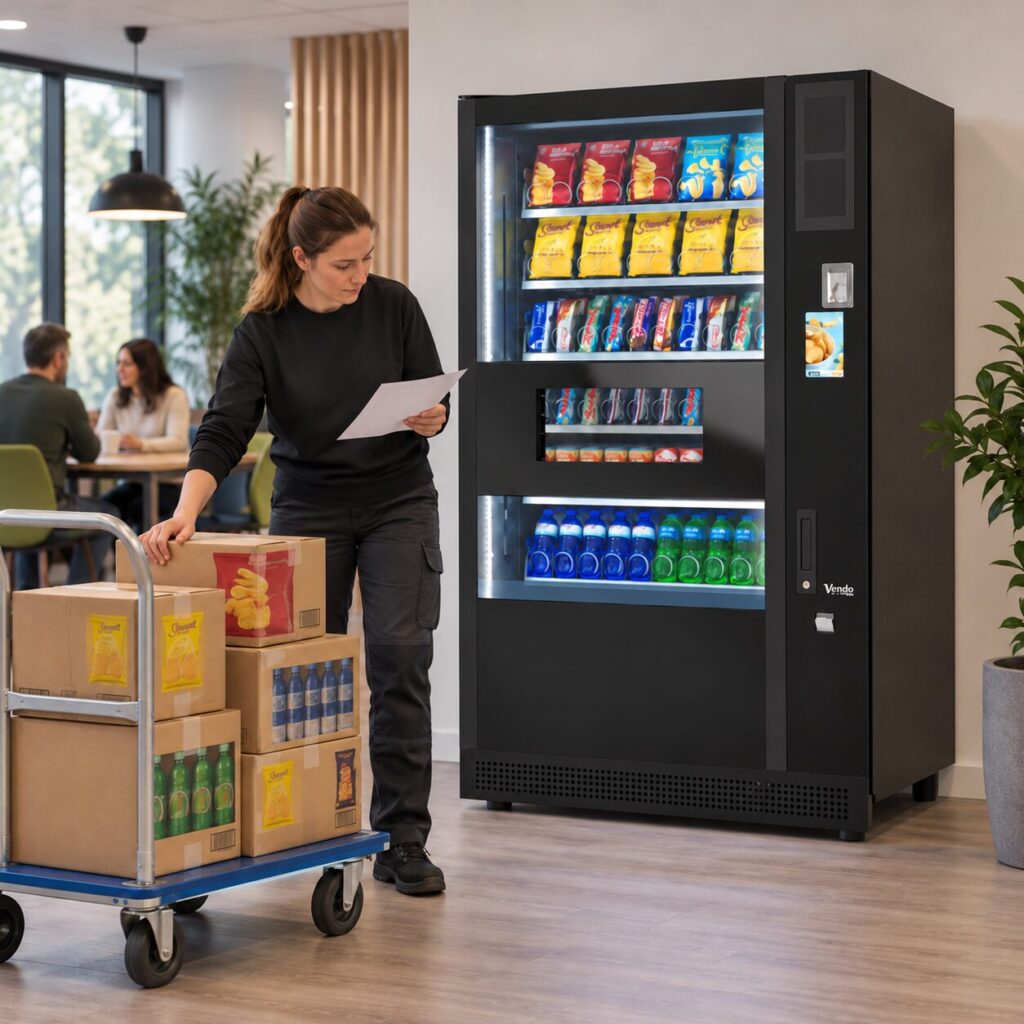
Define the additional journey
Write down where the collection fits into the existing route. Is it a small detour on a journey already planned, or a separate trip on another day? Include the supplier’s collection window, expected waiting time and any loading work. Do not count the entire original route as an extra cost, but do not treat a genuinely additional journey as free either.
Check whether the collection can be combined reliably with other work. An occasional convenient pairing is not necessarily a dependable weekly arrangement. Record the assumptions you use, including what happens if stock is not ready when you arrive. This helps explain why the real cost may differ from the first estimate.
Include time and vehicle costs
Use your business’s own costing method for the additional distance and time. For illustration only, an extra hour valued at EUR 15 plus EUR 6 of additional vehicle cost gives EUR 21 before any other relevant charges. Those figures are not recommended rates or a full accounting model. They simply show that a EUR 10 invoice saving would not cover those assumed additional costs.
Avoid counting the same cost twice. If your chosen mileage measure already includes a particular vehicle expense, do not add that expense again without a reason. Your accountant can advise the appropriate business records. The Local Enterprise Office projections guidance is a useful reminder to make the assumptions behind the comparison explicit.
Consider stock and service effects
A second supplier may offer a useful product or improve availability, so the decision is not only about the lowest immediate cost. Identify that benefit clearly. Ask whether the extra collection reduces missed refills, supports a confirmed customer need or creates a manageable backup. Do not assign a made-up financial value to an uncertain benefit just to make the calculation favourable.
Also consider the stock you must hold between collections. Buying more to reduce trips can tie up cash and space or leave packs unused. Buying less can increase travel. Compare realistic quantities and handling arrangements for your vending business, using actual demand and storage constraints rather than assuming every delivered unit will sell immediately.
Test the arrangement before expanding it
Record the actual time, distance, waiting and stock received during a short trial. Keep exceptional delays visible rather than silently removing them from the result. One unusually difficult visit may not represent the normal pattern, but repeated waiting should affect the plan. Review both the average experience and the practical risk of missing a refill window.
At the review, decide whether to keep the collection, change its timing or use another supply arrangement. Update the route budget and communicate any service change to the relevant site contact. A clear record of the complete journey helps you scale the business on realistic working hours, rather than allowing a series of small purchasing decisions to consume time that was never included in the operating plan.
Related guidance: Planning a Vending Route: Allow for Travel Between Sites, Not Just Refill Time.
Planning vending at your site? Contact the team with your location, equipment details and requirements.