Are Seasonal Vending Machines More Profitable?
Seasonal demand can create valuable opportunities for vending businesses. Customers often change their purchasing habits based on weather, holidays, events, and travel patterns. Therefore, seasonal vending machines can offer products that match these changing needs. For example, customers may prefer cold drinks during summer or warm beverages during colder months. Moreover, seasonal products can create additional interest and encourage impulse purchases. However, profitability depends on location, product selection, operating costs, and customer demand. Businesses should evaluate these factors carefully before relying on seasonal sales.
How Seasonal Vending Machines Match Customer Demand
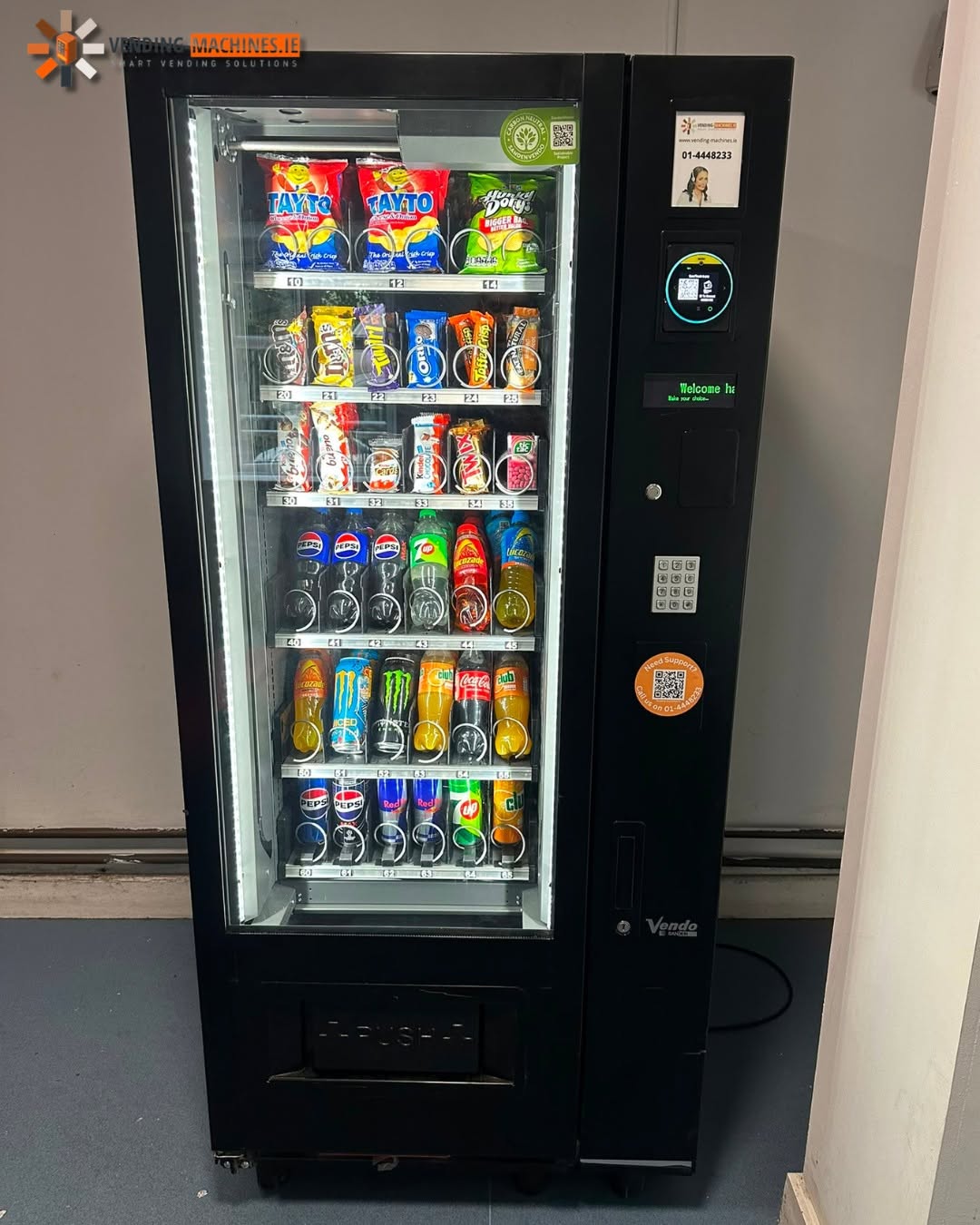
Customer preferences can change significantly throughout the year. Therefore, businesses can adjust product selections according to seasonal demand. During warmer months, cold beverages, water, and refreshing snacks may attract more customers. Meanwhile, colder seasons may increase demand for hot drinks and convenient comfort foods. Furthermore, holiday periods can create opportunities for themed products. As a result, seasonal vending machines can provide a more relevant experience for customers. Matching inventory with current demand can also reduce slow selling products and improve sales efficiency.
Choosing Locations for Seasonal Vending Machines
Location can strongly influence the performance of seasonal vending equipment. A machine near a beach may perform differently from one located in an office building. Therefore, businesses should consider how customer traffic changes throughout the year. Tourist areas, outdoor attractions, schools, transportation hubs, and event spaces may experience strong seasonal fluctuations. Moreover, temporary locations can provide opportunities during festivals or special events. Consequently, seasonal vending machines can perform well when operators select locations that align with specific customer needs and seasonal activity.
Managing Products for Seasonal Vending Machines
Product selection requires careful planning. Businesses should review previous sales data and consider expected customer demand before ordering seasonal inventory. Additionally, operators should avoid purchasing excessive quantities of products with limited seasonal appeal. This approach can reduce waste and protect profit margins. For more information about modern vending solutions, visit vending-machines.ie. Furthermore, operators can introduce new products gradually and monitor customer responses. As a result, seasonal vending machines can adapt to changing preferences without creating unnecessary inventory costs.
Controlling Costs and Improving Profitability
Higher seasonal sales do not automatically guarantee higher profits. Businesses must also consider inventory costs, transportation, electricity, maintenance, payment fees, and location expenses. Therefore, operators should calculate expected profit rather than focusing only on revenue. Moreover, efficient restocking can reduce unnecessary transportation and labor costs. Businesses can also adjust product prices when appropriate, while still keeping them competitive. By monitoring these expenses, operators can determine whether seasonal vending machines provide a worthwhile financial return.
Tracking Seasonal Performance
Regular performance tracking helps businesses understand whether seasonal strategies are working. Operators can compare sales during different periods and identify products that perform particularly well. Furthermore, they can review customer traffic, transaction patterns, and inventory levels. This information can guide future product selection and machine placement. Seasonal results can also reveal opportunities to extend successful products beyond their original season. Therefore, careful analysis can help businesses improve future vending strategies and make better investment decisions.
Conclusion
Seasonal vending can be profitable when businesses plan carefully and respond to customer demand. Therefore, operators should combine suitable locations, relevant products, efficient inventory management, and regular performance reviews. They should also consider seasonal risks before committing significant resources. Moreover, flexible planning allows businesses to adjust quickly when demand changes. Contact us today to learn how modern vending solutions can help your business evaluate seasonal opportunities, improve customer convenience, and create a more effective vending strategy.