Are Smart Machines Effective for Predicting Product Demand?
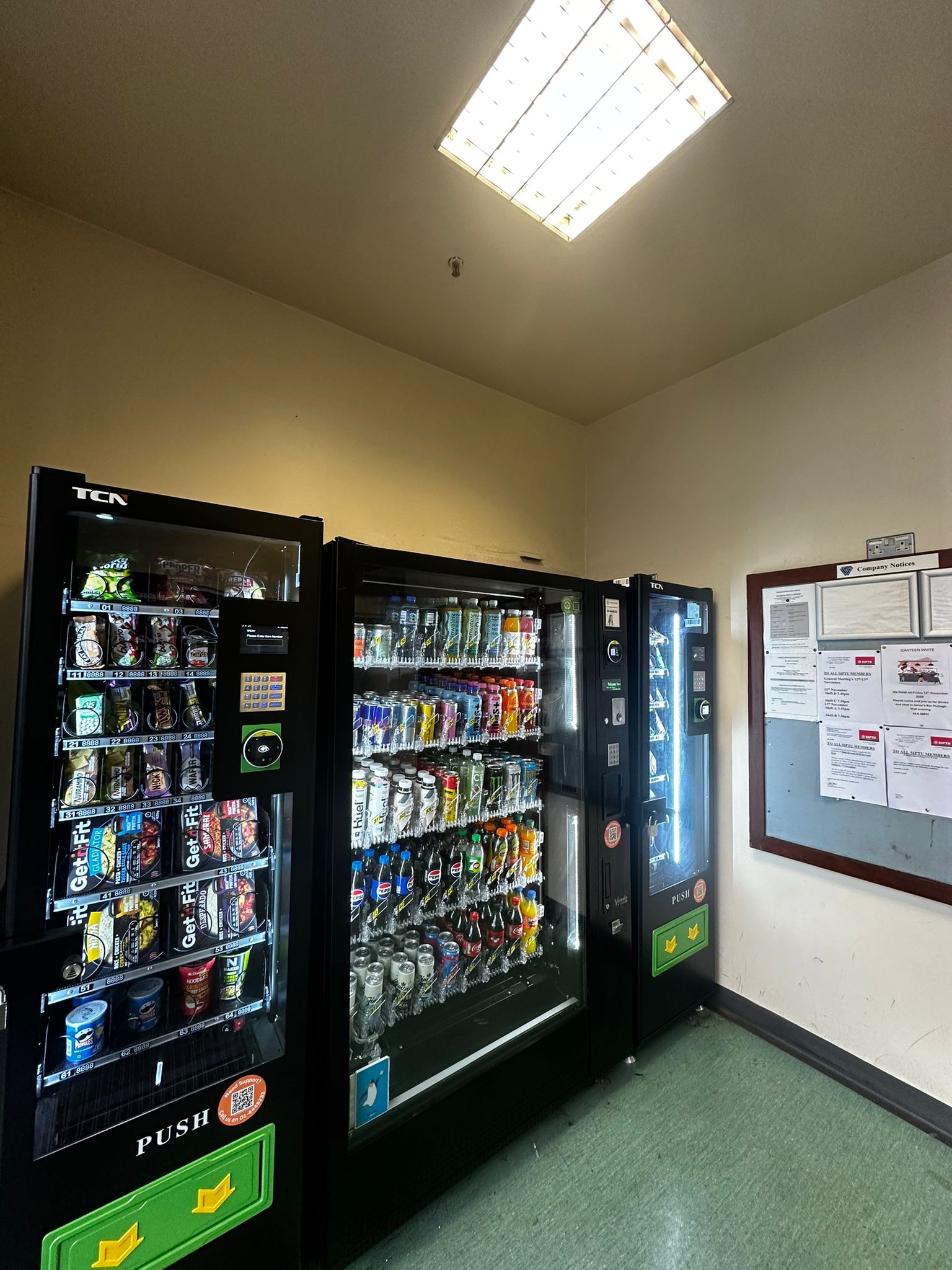
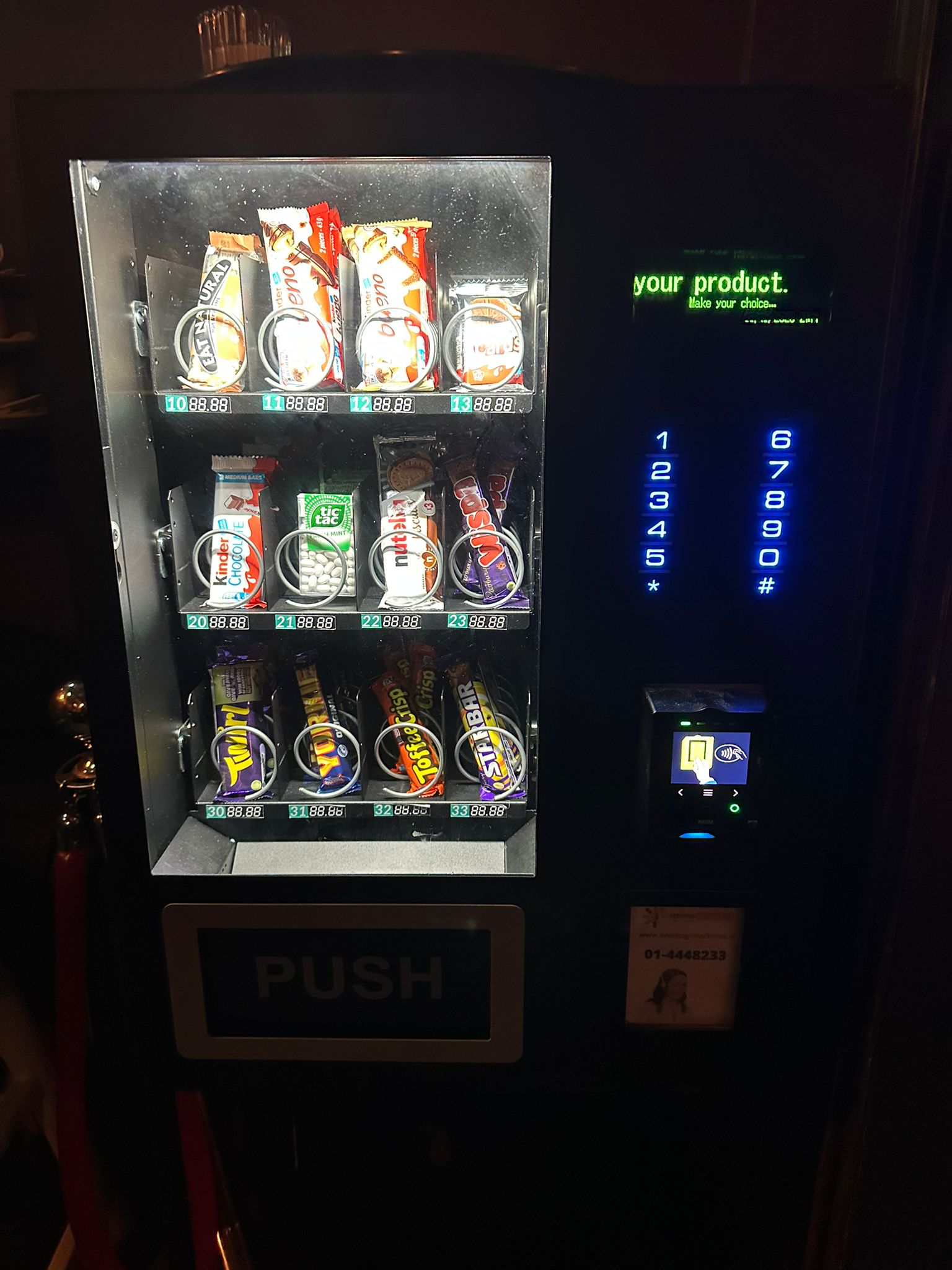
Smart vending machines continue to reshape how operators manage inventory and customer expectations. As technology improves, many businesses now ask whether these systems can truly predict product demand with accuracy. In short, smart machines offer strong tools for forecasting, yet their real value depends on how operators use the data. Therefore, understanding their role helps vending businesses plan more efficiently and reduce waste. Moreover, clear insights support smarter restocking, better product selection, and stronger customer satisfaction across diverse vending locations.
How Smart Machines Track Product Demand
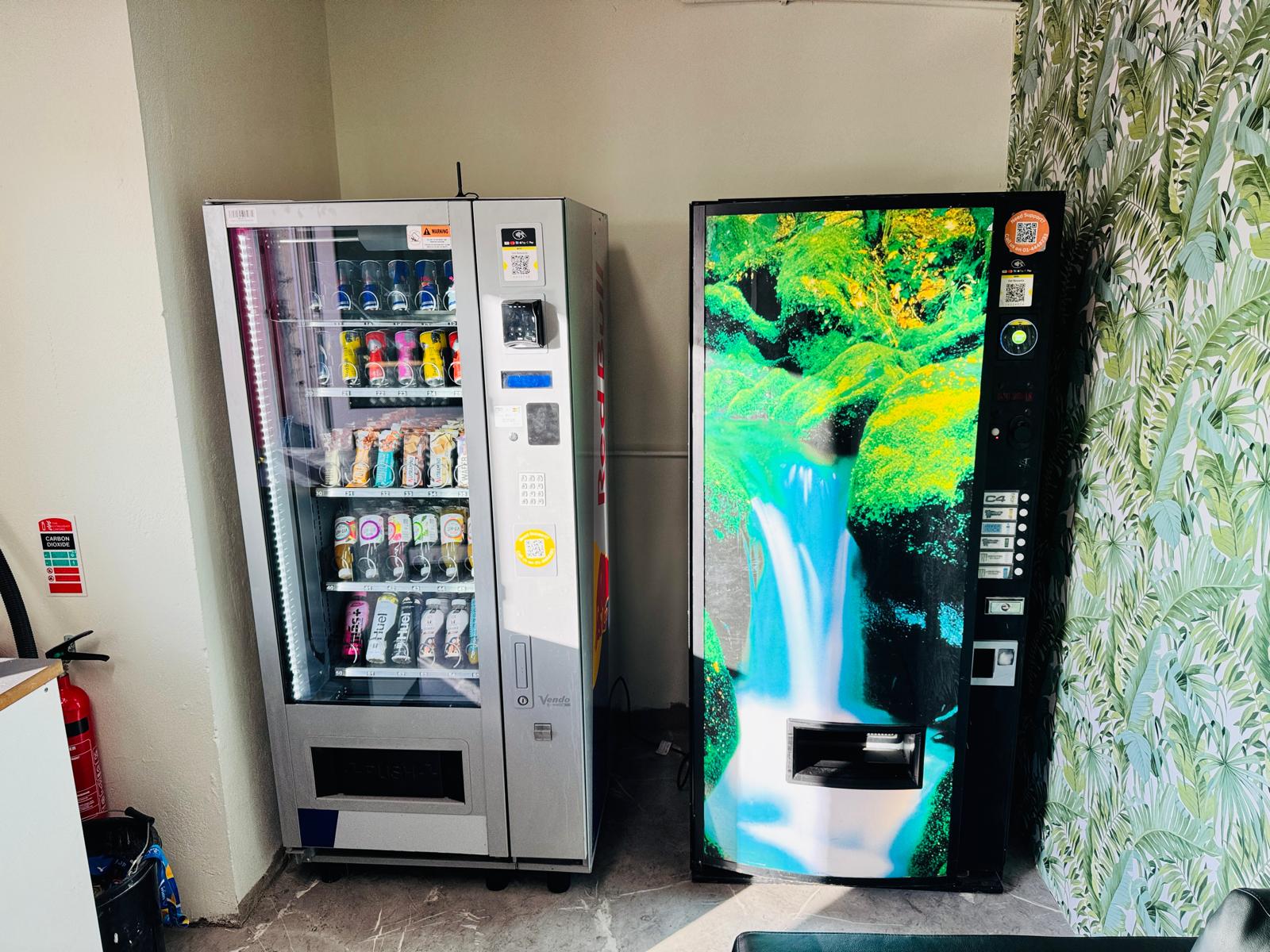
Smart vending machines collect real time sales data from every transaction. As a result, operators can see what sells, when it sells, and where it sells best. This constant flow of information helps machines recognize patterns tied to product demand. For example, snacks may sell faster during afternoons, while drinks move more during warmer days. Because the data updates continuously, predictions become more reliable over time. In addition, operators can adjust pricing, promotions, and restocking schedules based on these clear, data driven insights.
Data Sources That Shape Accurate Forecasts
Smart machines rely on several data sources, not just sales numbers. In addition, they track machine location, time of day, and customer behavior. Some systems even factor in weather trends and seasonal changes. Consequently, forecasts improve because decisions rely on multiple signals rather than guesses. Meanwhile, cloud based dashboards allow operators to review insights quickly and respond faster than before. As a result, teams can make confident adjustments that align inventory planning with changing customer needs.
Why Product Demand Prediction Improves Operations
Accurate forecasting directly improves daily operations. When machines anticipate product demand, operators restock only what customers want. Therefore, machines stay full without wasting shelf space. In addition, fewer stockouts occur, which keeps customers satisfied. Businesses also save money because they avoid expired items. As a result, smarter planning leads to higher profits and smoother operations.
Limits of Smart Technology in Product Demand Analysis
While smart machines offer clear benefits, they are not perfect. Sudden events can disrupt product demand patterns without warning. For instance, local events or unexpected weather changes may shift buying behavior. Still, machines learn only from past and current data. Therefore, human oversight remains important. Operators must review insights and adjust strategies when unusual trends appear.
What This Means for Modern Vending Businesses
Smart machines work best when paired with active management. When operators review reports regularly, they can fine tune product mixes and pricing. This approach strengthens long term planning around product demand. Many modern vending providers now use these tools to stay competitive. In the middle of this shift, companies like vending-machines.ie focus on combining technology with practical experience to support better decisions. Therefore, consistent analysis helps reduce waste, improve customer satisfaction, and ensure each location remains profitable while adapting quickly to market changes and evolving consumer preferences across different regions and seasons.
Conclusion
Ultimately, smart machines prove effective for predicting demand when used correctly. They reduce guesswork and support faster responses. However, success still depends on how well businesses act on the insights. If you want to learn how smart vending solutions can support your operation, contact us to explore your options and plan for the future with confidence.