
Are Smart Machines Profitable for Low-Traffic Locations?
Smart machines can work well in locations with steady but limited foot traffic. Many operators worry that fewer visitors mean fewer sales. However, these machines use data to adjust pricing, product mix, and inventory needs. As a result, you can improve performance even when daily activity stays low. They offer stronger insight than traditional units and help you make decisions based on real patterns rather than guesses. Additionally, they support smarter planning, reduce waste, and create smoother operations that help smaller locations stay profitable over time.
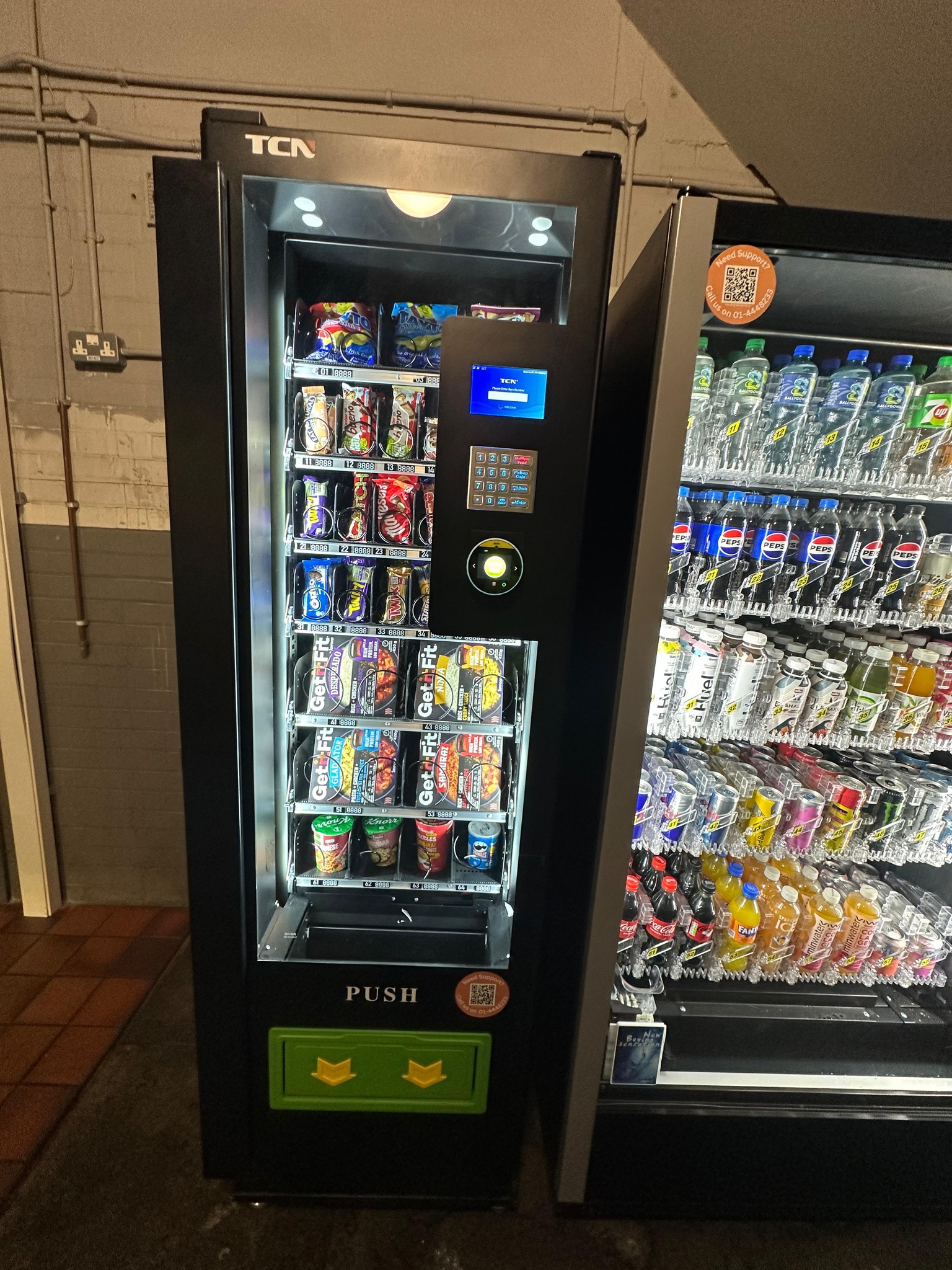
Smart Machines and Cost Efficiency
Low traffic locations often struggle with high operating costs. Smart machines help reduce these issues because they use energy saving modes and remote monitoring. Therefore, you avoid frequent service trips and save time and fuel. Since every visit costs money, smarter routing lowers expenses and increases overall profit. In the middle of tight budgets, tools like these help operators stay efficient and competitive. Additionally, they streamline daily tasks, improve stocking accuracy, and allow operators to focus on higher value activities that support long term growth.
How Data Helps Improve Product Selection
Product choice plays a huge role in the success of smart machines. These machines track every sale and show which items move and which do not. Because of this, you can adjust the selection quickly and test new products without risk. For more guidance on product planning and machine options, you can visit vending-machines.ie for helpful insights. When you rely on data instead of trial and error, you improve the customer experience and reduce waste. Additionally, you gain clearer insight into buying behavior, allowing you to refine choices, introduce seasonal items, and maintain a product lineup that consistently attracts attention and boosts sales.
Challenges You Must Consider with Smart Machines
Although these machines offer strong advantages, low traffic sites still present some challenges. Sales may grow slowly in quiet environments. Even so, remote tools help you respond fast. For example, you can track stock levels before visiting a location. This prevents unnecessary trips and lowers operating pressure. Also, some locations may have unpredictable usage patterns. Because the machines respond quickly to demand shifts, operators gain better control in these situations. Additionally, they help you adjust strategies in real time, improve scheduling, reduce wasted effort, and maintain consistent service quality even when customer flow changes from day to day.
Why Smart Machines Can Still Be Profitable
Profitability depends on planning, and smart machines make that easier. They provide clear data on what works and what does not. Moreover, they help you adjust settings without visiting the site. Although no machine guarantees success, these tools increase your chances in low traffic areas. They help reduce cost, improve accuracy, and support long term growth. When you want consistent performance, smart machines offer a strong foundation. Additionally, they streamline day to day decisions, reveal patterns that guide better choices, and give operators the flexibility to adapt quickly as customer needs evolve throughout the year.
Final Thoughts on Smart Machines in Quiet Locations
Smart machines can be profitable in low traffic spaces when operators use a thoughtful approach. With the right setup, these machines can deliver stable results and reduce common costs. They also support smarter decisions and smoother daily operations. If you want to explore how these machines can support your business goals, contact us for guidance tailored to your needs.


