Are Smart Machines Profitable in Low-Traffic Locations?
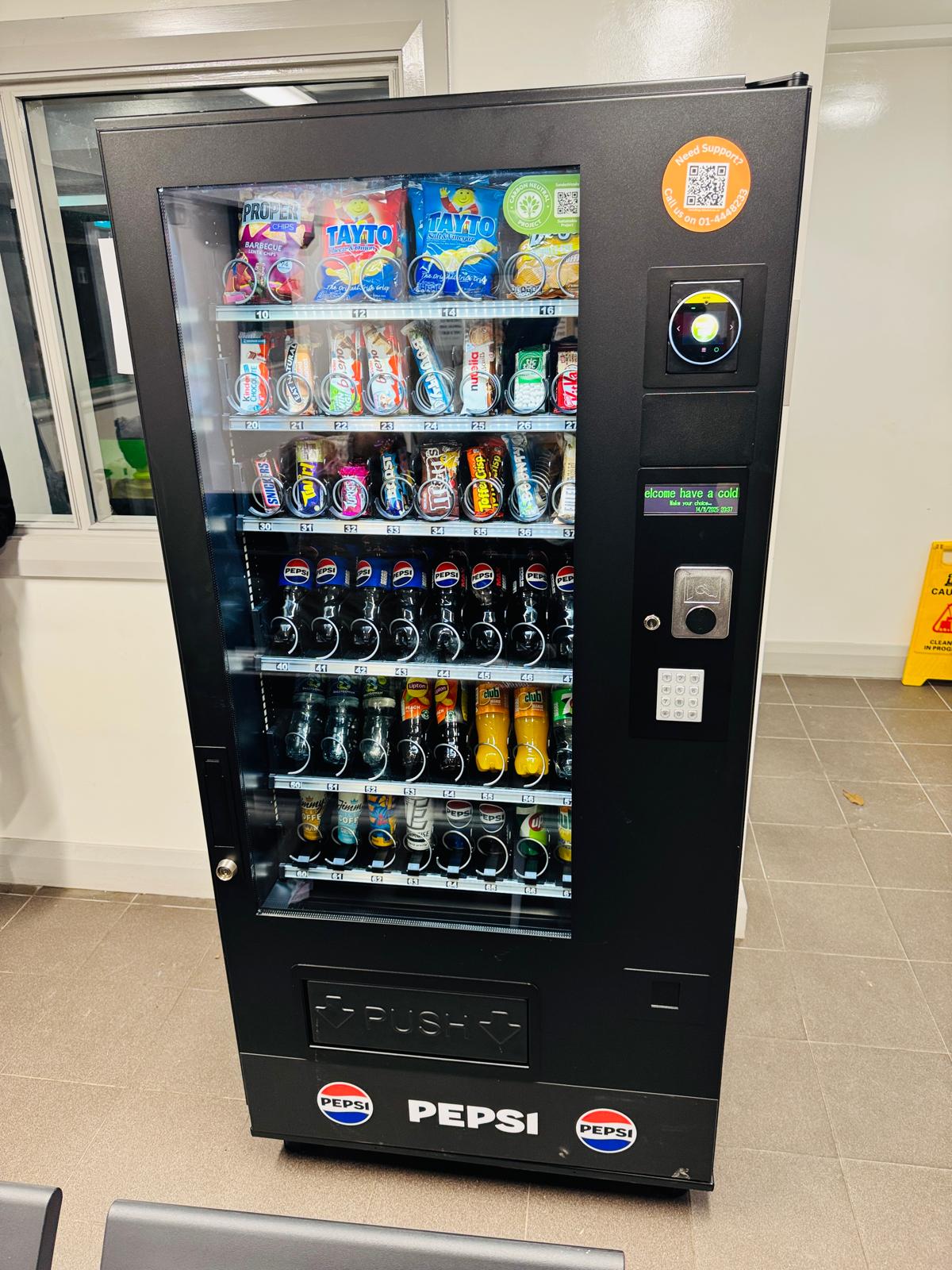
Placing vending machines in low-traffic locations can seem risky. Fewer people passing by may suggest slower sales, leading many operators to question profitability. However, with smart machines, even low-traffic locations can generate consistent revenue. By using technology, strategic planning, and efficient operations, operators can turn potential challenges into opportunities. Here, we explore how smart vending machines can succeed in areas with limited foot traffic.
Understanding Low-Traffic Locations
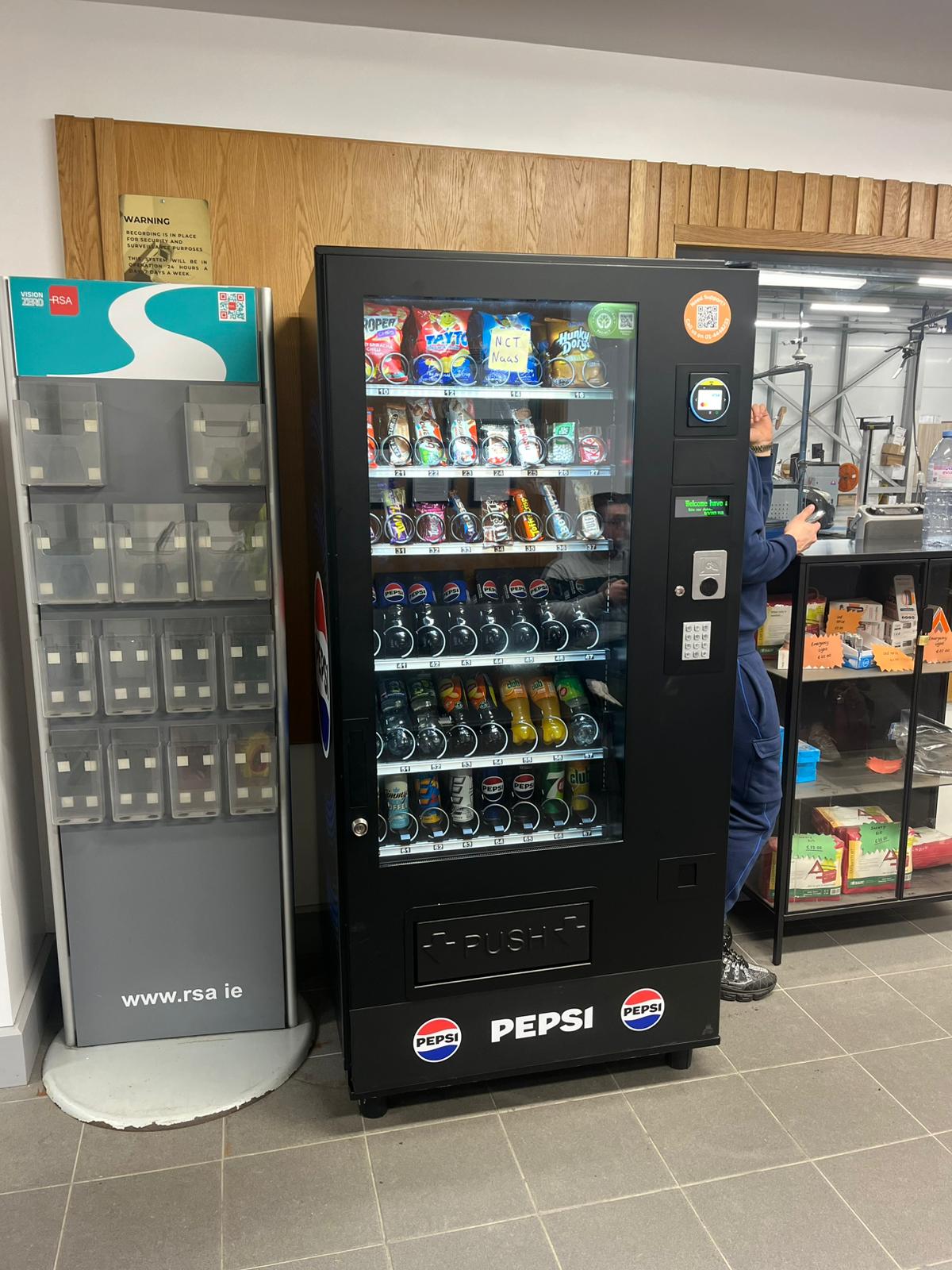
Low-traffic locations include offices with few employees, small residential buildings, or remote facilities. These sites typically see limited footfall compared to busy shopping centers or transportation hubs. Although sales may be lower, costs can also be minimized through targeted product selection and efficient machine management. Therefore, careful analysis of the location’s potential is key before deployment. Evaluating peak usage times and customer preferences can guide stocking decisions and ensure the machine meets demand.
Leveraging Smart Technology in Low-Traffic Locations
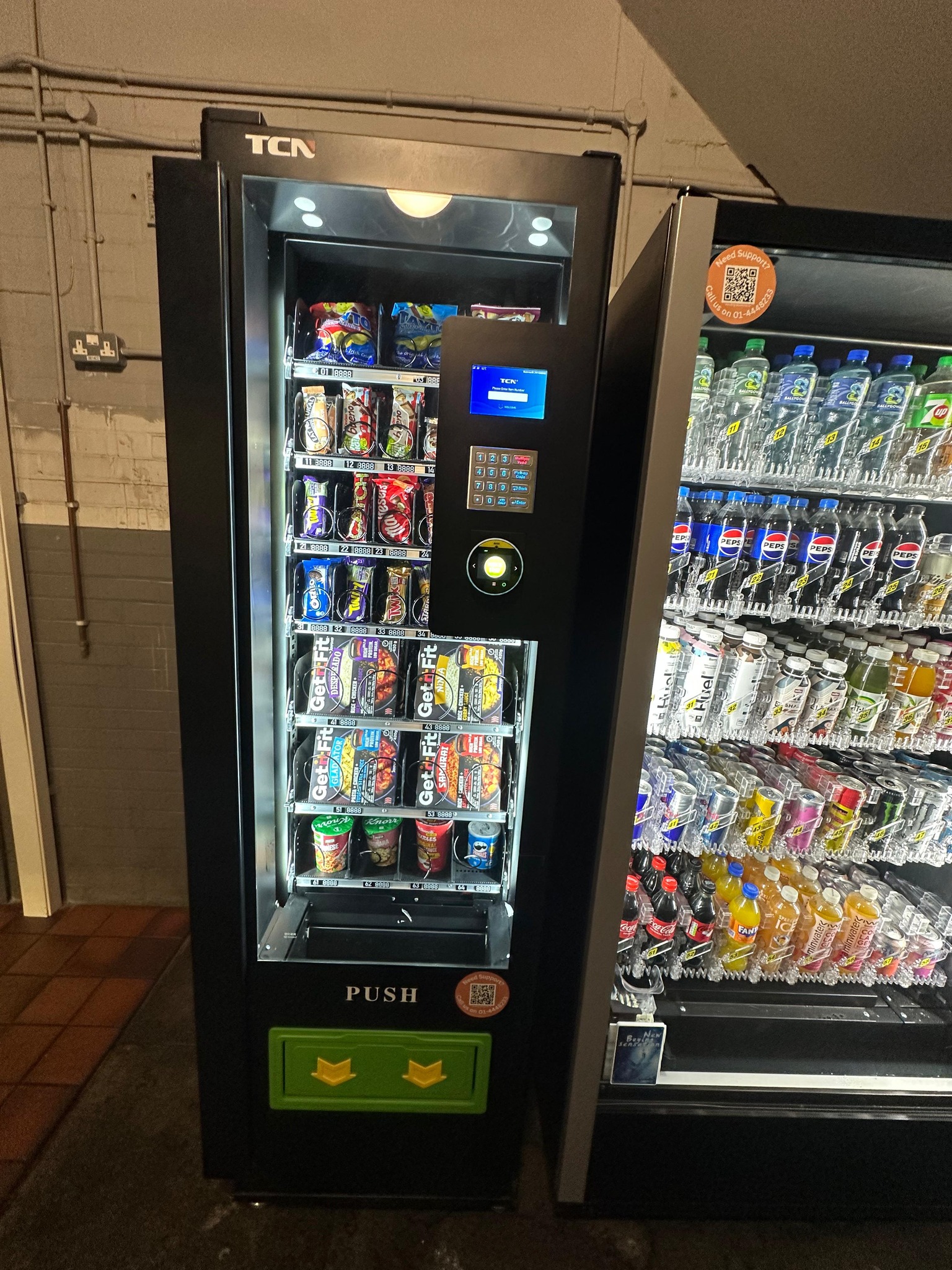
Smart machines offer tools that traditional vending machines cannot provide. Features such as real time inventory monitoring, cashless payments, and sales tracking help optimize operations. In low-traffic locations, these tools are even more valuable because they reduce the need for frequent restocking. Operators can analyze which products sell best and adjust stock accordingly. Consequently, smart machines help reduce waste and maximize profitability even with fewer transactions.
Optimizing Product Selection for Low-Traffic Locations
Selecting the right products is crucial for low-traffic locations. Stocking items that are popular with the target audience ensures every sale counts. Smaller quantities of high-demand products prevent overstocking and spoilage. Seasonal items or specialty snacks can attract interest without requiring a high volume of customers. In addition, tracking sales data allows operators to refine selections continuously, maintaining customer satisfaction while improving revenue. Many operators rely on systems discussed at vending-machines.ie to monitor sales and adjust offerings efficiently.
Reducing Operational Costs in Low-Traffic Locations
Efficiency in operations is vital when serving low-traffic locations. Scheduling restocking trips based on actual sales data prevents unnecessary visits and reduces fuel and labor costs. Smart machines can alert operators when inventory is low or when maintenance is needed, allowing for proactive service. By minimizing unnecessary operational expenses, operators improve overall profitability. Proper placement and energy-efficient machines also contribute to cost savings, making it feasible to operate in locations with limited foot traffic.
Monitoring Performance and Adjusting Strategy
Continuous monitoring helps maximize profitability in low-traffic locations. By reviewing sales trends, machine performance, and product preferences, operators can make informed adjustments. If a product underperforms, it can be replaced with a better-selling option. Similarly, adjusting delivery routes and schedules based on data ensures that operational resources are used efficiently. This ongoing evaluation helps operators maintain profitability even in areas where traffic is lower than average.
Conclusion
Smart machines can indeed be profitable in low-traffic locations when technology, data analysis, and strategic planning are applied effectively. Focusing on the right products, reducing operational costs, and continuously monitoring performance allows operators to maintain revenue and customer satisfaction. If you want guidance on deploying vending solutions in challenging areas, contact us to learn more about effective strategies and scalable options for your vending business.