Are Smart Vending Machines Worth the Cost?
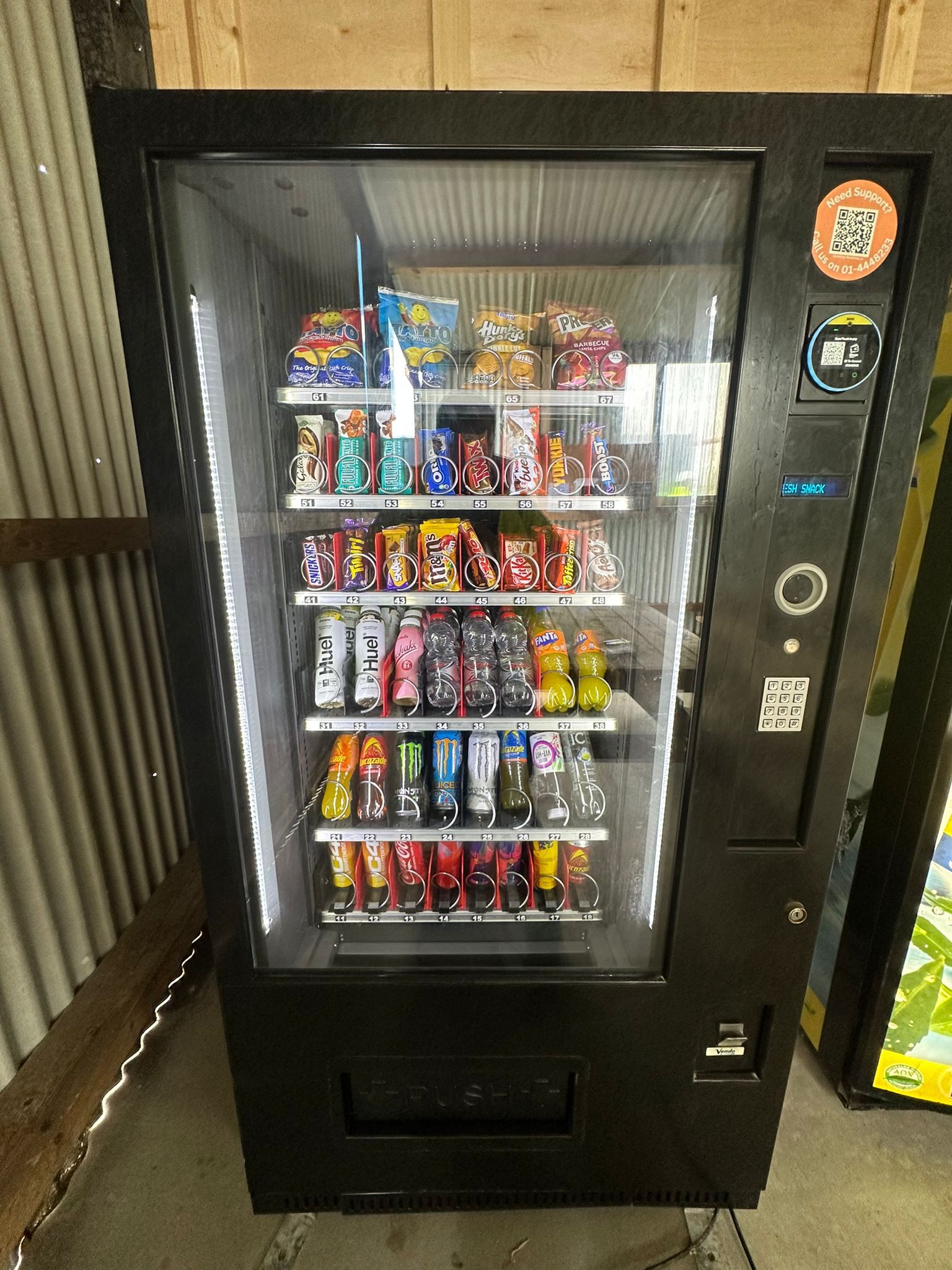
Technology continues to reshape automated retail, and smart vending machines are gaining attention across many industries. Unlike traditional machines, these systems offer advanced features that improve convenience and efficiency. For example, they often include cashless payment systems, touchscreens, and inventory tracking tools. Moreover, businesses can monitor machine performance in real time. As a result, operators respond faster to customer needs. In addition, smart vending machines create a more modern experience, which attracts more users in busy locations.
Benefits of Smart Vending Machines for Businesses
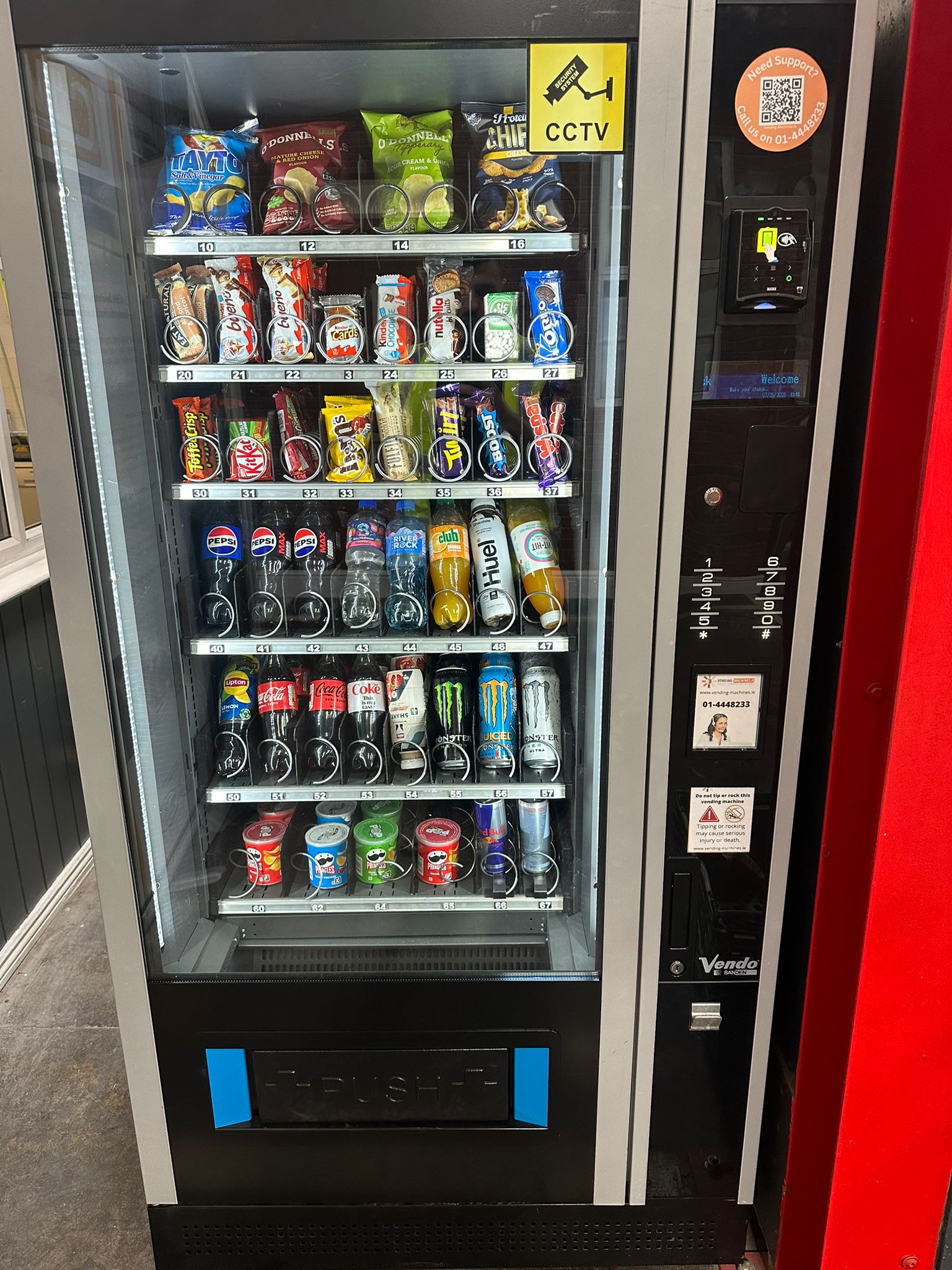
Many operators invest in smart vending machines because they improve business operations. First, real time inventory tracking reduces the risk of empty shelves. Therefore, customers find products available more often. In addition, operators save time because they no longer need frequent manual checks. Moreover, smart vending machines support digital payments, which many customers now prefer. As a result, sales may increase in locations with high customer traffic. Businesses also gain access to valuable data that helps improve product selection and overall performance.
Cost Factors of Smart Vending Machines
Although smart vending machines offer many benefits, they usually cost more than traditional machines. The price often depends on features, software, and connectivity systems. For example, machines with interactive displays and advanced analytics require larger investments. However, many businesses consider these costs worthwhile because of long term savings. In addition, reduced maintenance and better stock management may improve profitability over time. You can also explore modern vending trends through vending-machines.ie while learning more about current technology in the industry.
Are Smart Vending Machines Worth the Investment
For many businesses, smart vending machines provide strong long term value. However, the answer often depends on location, customer demand, and business goals. In busy offices, schools, and public areas, these machines can generate higher sales through convenience and faster service. Moreover, digital monitoring helps operators reduce waste and improve efficiency. As a result, businesses may recover their investment faster than expected. Nevertheless, smaller businesses should carefully evaluate costs before expanding into advanced vending technology.
Challenges of Using Smart Vending Machines
Despite their advantages, smart vending machines also come with challenges. For instance, technology updates and software maintenance may increase operating costs. In addition, internet connectivity problems can affect machine performance. Therefore, businesses must prepare for technical support and regular monitoring. Moreover, some customers may still prefer traditional payment methods. As a result, operators should understand customer behavior before investing heavily. Careful planning helps reduce risks and improve long term success.
Conclusion
The future of smart vending machines looks promising as technology continues to evolve. Artificial intelligence, data analytics, and automated systems are becoming more common in vending operations. Therefore, machines will likely become even more efficient and customer focused in the coming years. In addition, smart vending machines may offer more personalized shopping experiences through advanced technology. As a result, businesses that adopt innovation early could gain a competitive advantage in automated retail markets. Contact us today to learn more about modern vending solutions and how smart vending machines can support your business goals.