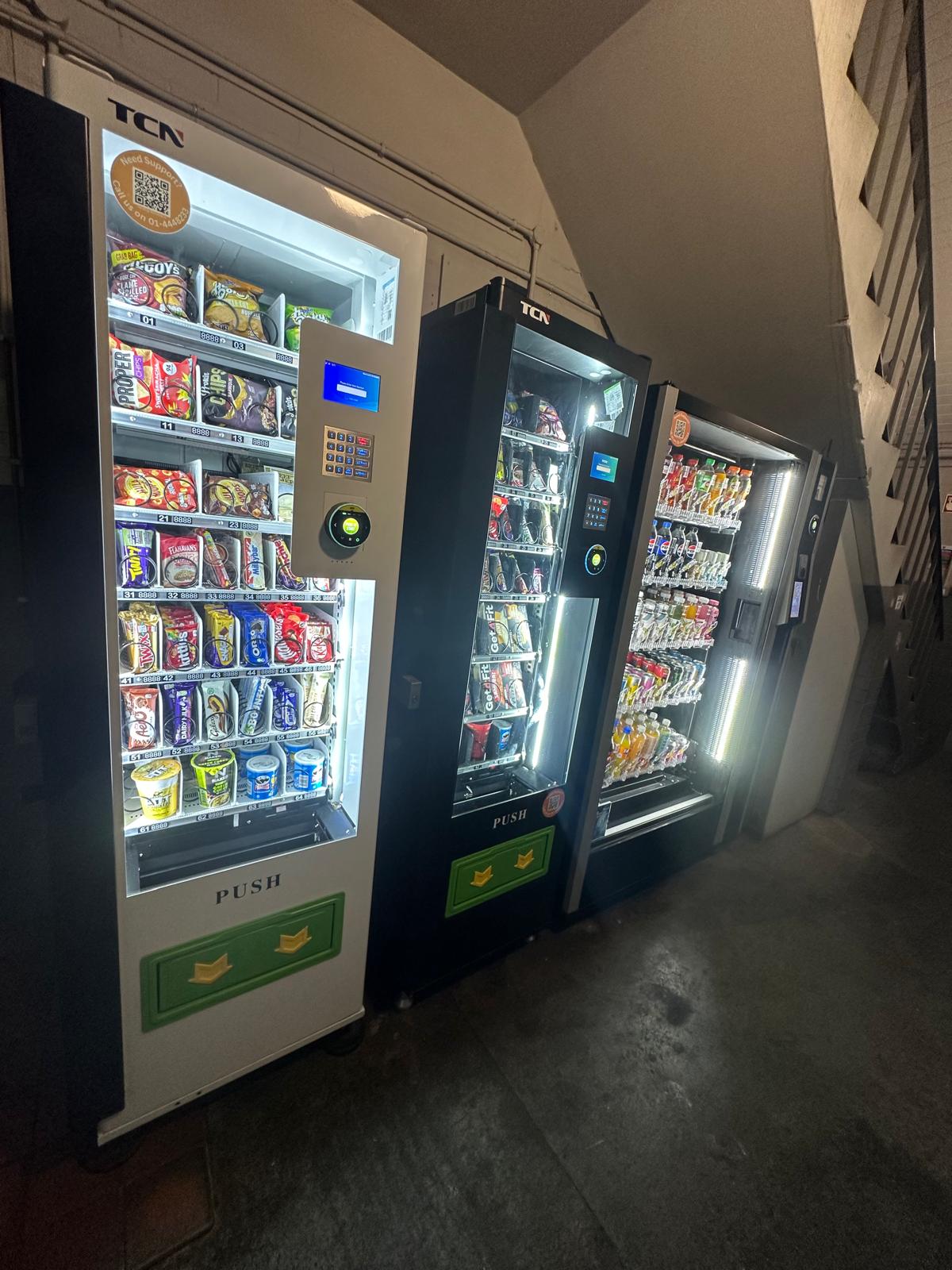
Are Subscription-Based Coffee or Beverage Machines Profitable?
Subscription based services now reach far beyond software and streaming. As a result, many operators ask whether this model works for coffee and drink equipment. In fact, the idea looks attractive because it promises steady income and predictable demand. However, true profitability depends on several practical factors that deserve close and careful attention. These include costs, locations, maintenance planning, customer usage behavior, and long term operational consistency over time consistently.
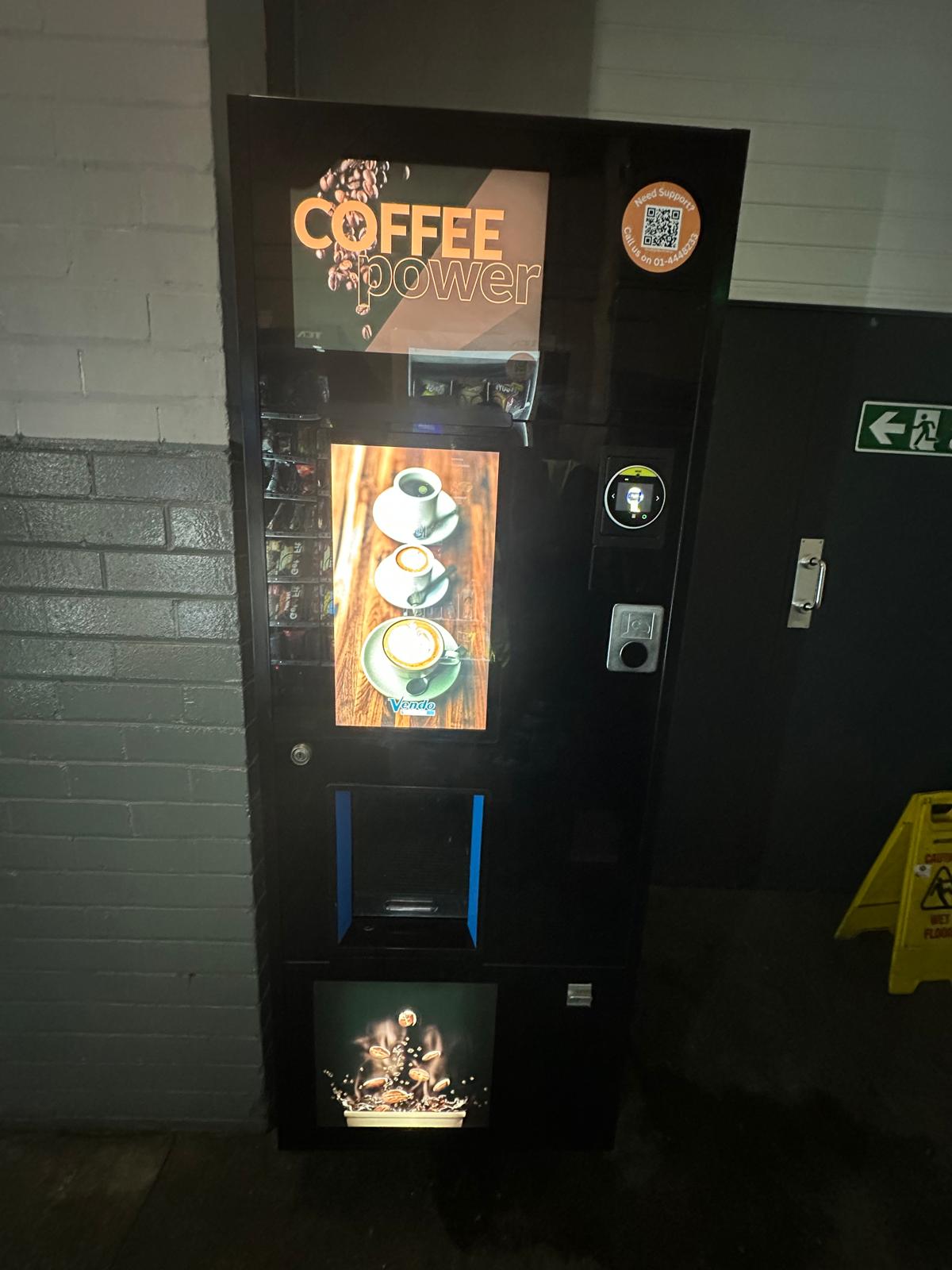
Why beverage machines work well with subscriptions
First, beverage machines naturally support repeat use because people consume coffee and soft drinks every day at work and in shared spaces. Therefore, a monthly plan feels logical and convenient to many users. Also, subscriptions reduce price hesitation since customers pay once and enjoy controlled access. Moreover, operators benefit from smoother cash flow. As a result, inventory planning, refilling schedules, and routine service become easier and more predictable over time.
Cost structure behind beverage machines subscriptions
However, costs ultimately determine real profit potential. Beverage machines require regular refilling, cleaning, sanitation, and technical checks to stay reliable. Therefore, operators must calculate ingredient costs with precision. In addition, cups, filters, water, and energy usage create ongoing expenses. Because subscriptions often lock pricing, rising supply costs can reduce margins over time. For this reason, successful models review pricing regularly and track consumption data closely.
Location demand for beverage machines profitability
Meanwhile, location strongly affects overall outcomes and long term performance. Beverage machines perform best in offices, gyms, co working spaces, and large residential complexes with consistent daily traffic. For example, employees appreciate unlimited coffee during work hours, which increases subscription adoption. Also, shared locations spread maintenance and refill costs across many users. In contrast, low traffic areas struggle to justify subscription pricing. Therefore, careful demand analysis should always happen before installation decisions are made.
Technology advantages in modern beverage machines
Modern beverage machines include smart tracking and usage data. As a result, operators can see consumption patterns in real time. Moreover, data helps adjust refill schedules and prevent waste. In addition, digital access systems control subscriber use. This technology improves user trust and protects profit margins. For instance, limits can apply without hurting convenience. Midway through planning, many operators review guidance from vending-machines.ie to understand current equipment capabilities and service expectations.
Customer retention and scaling beverage machines
Customer retention drives long term profit. Therefore, taste quality and reliability matter more than variety alone. Also, clear subscription terms build confidence. Because satisfied users renew plans, marketing costs drop over time. Moreover, scaling becomes easier once systems run smoothly. Adding more beverage machines to similar locations reduces learning curves and operational errors.
Final Thoughts
Overall, subscription based beverage machines can be profitable when planned carefully. However, success depends on location choice, cost control, and smart technology. Therefore, operators should test small deployments first. In addition, they should monitor data and adjust pricing as usage grows. When managed well, this model delivers predictable revenue and strong customer loyalty. If you want to explore whether this approach fits your space or audience, contact us to discuss practical options and real world considerations.