
Are Subscription-Based Models More Profitable Than Single-Purchase Models?
Single-purchase models are straightforward. Customers pay once for a product or service, and the transaction is complete. Many businesses prefer this approach because it provides immediate revenue. However, profitability often depends on repeat purchases. If a customer only buys once, the business must constantly attract new buyers to maintain income. This model works well for products with high upfront value or one-time use. Yet, it can be unpredictable, especially for smaller businesses that rely on steady cash flow. Marketing costs per customer can be higher because each sale requires effort to convert a new buyer.
Subscription-Based Models Explained
Subscription-based models, on the other hand, involve recurring payments. Customers commit to paying on a weekly, monthly, or annual basis. This ensures a predictable revenue stream, helping businesses plan operations and manage costs. Companies often use subscriptions for services or consumables, including digital content, software, or regularly consumed products. The key advantage is customer retention. Instead of relying on one-time purchases, subscriptions encourage long-term engagement, increasing lifetime value per customer and creating opportunities for upselling or introducing complementary offerings over time.
Profitability Comparison With Single-Purchase Models
While single-purchase models can generate immediate profits, subscription models often outperform them in the long run. With recurring payments, businesses reduce dependency on constant marketing campaigns. Profit per customer increases over time, and predictable cash flow allows for reinvestment in growth. That said, subscription models require investment in customer support, retention strategies, and reliable delivery or service mechanisms. Without these, subscribers may cancel, reducing potential profitability.
Customer Behavior and Its Impact
Customer behavior plays a significant role in determining which model is more profitable. Single-purchase models rely heavily on repeat business, which can be inconsistent. Conversely, subscription models benefit from habitual usage, creating a more stable revenue base. Businesses must analyze their audience carefully. For example, products with regular consumption or services that solve ongoing problems tend to perform better under subscription-based models. Meanwhile, items that are one-off or seasonal may favor single-purchase models.
Balancing Both Approaches
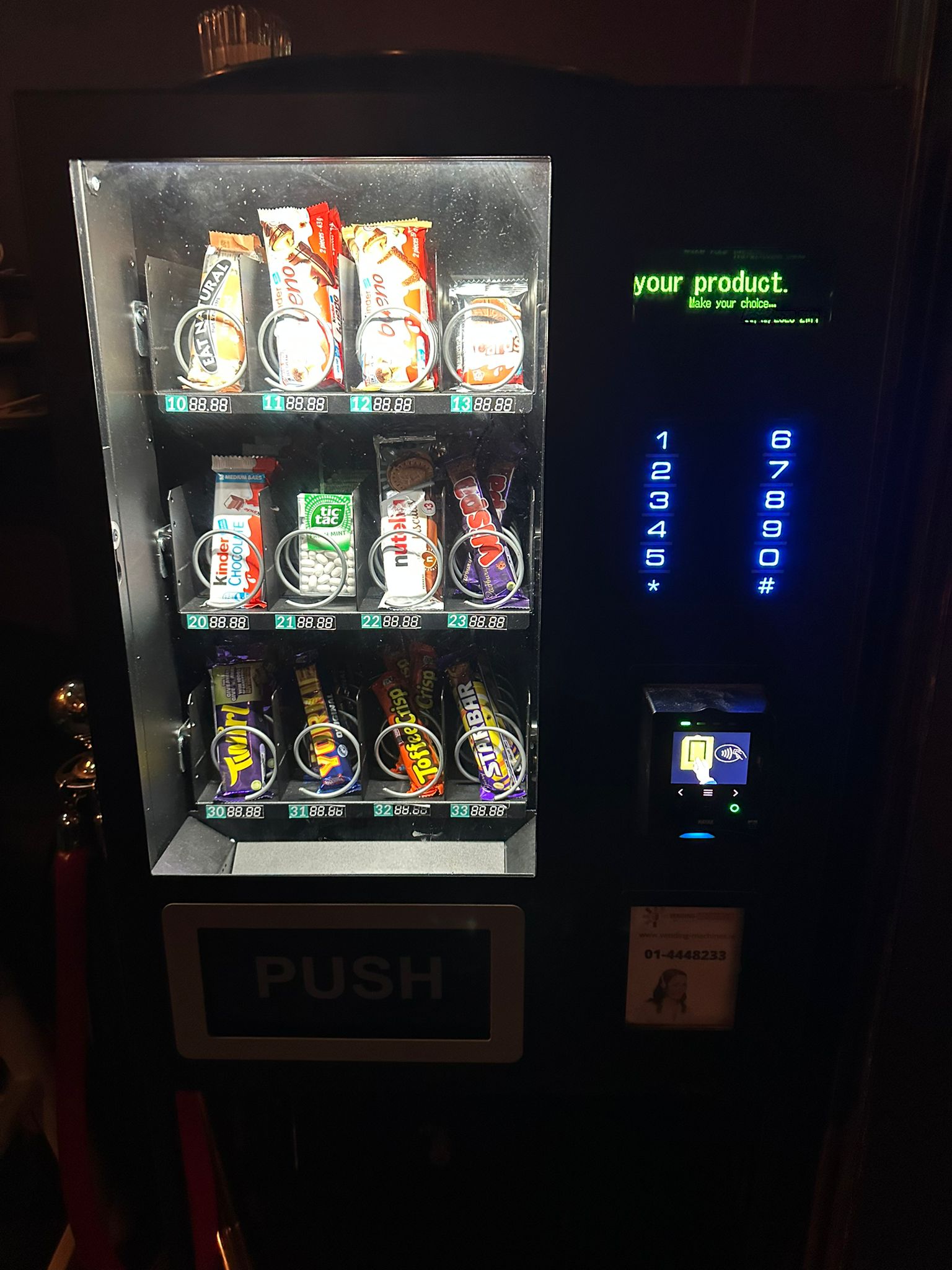
Some companies combine single-purchase models with subscription options. This hybrid strategy allows customers to choose what suits them best. Businesses can capture immediate sales from one-time buyers while building steady income from subscribers. This approach reduces risk and diversifies revenue streams. For instance, a vending machine business like vending-machines.ie can offer both single purchases for casual customers and subscription services for offices or gyms that require regular refills. By offering multiple options, businesses increase their market reach and profitability.
Conclusion
In conclusion, single-purchase models offer simplicity and immediate revenue, but they depend on repeat customers to sustain long-term profitability. Subscription-based models provide predictable income, increased customer retention, and higher lifetime value per client. Many companies find that combining both approaches delivers the best results.
Ultimately, the right choice depends on the product, market, and customer behavior. Analyzing sales patterns, customer needs, and operational capabilities will help determine the most profitable model. If you are looking to explore both single-purchase models and subscription-based strategies for your business, contact us for guidance and support.


