
Buying a Vending Machine: Who Needs Operator Training?
Choosing who attends vending training is part of preparing the service, not just filling places in a handover meeting. The person who approved the purchase may never refill the machine or answer a customer query. Start with the jobs that will actually be carried out and identify the people responsible for each one.
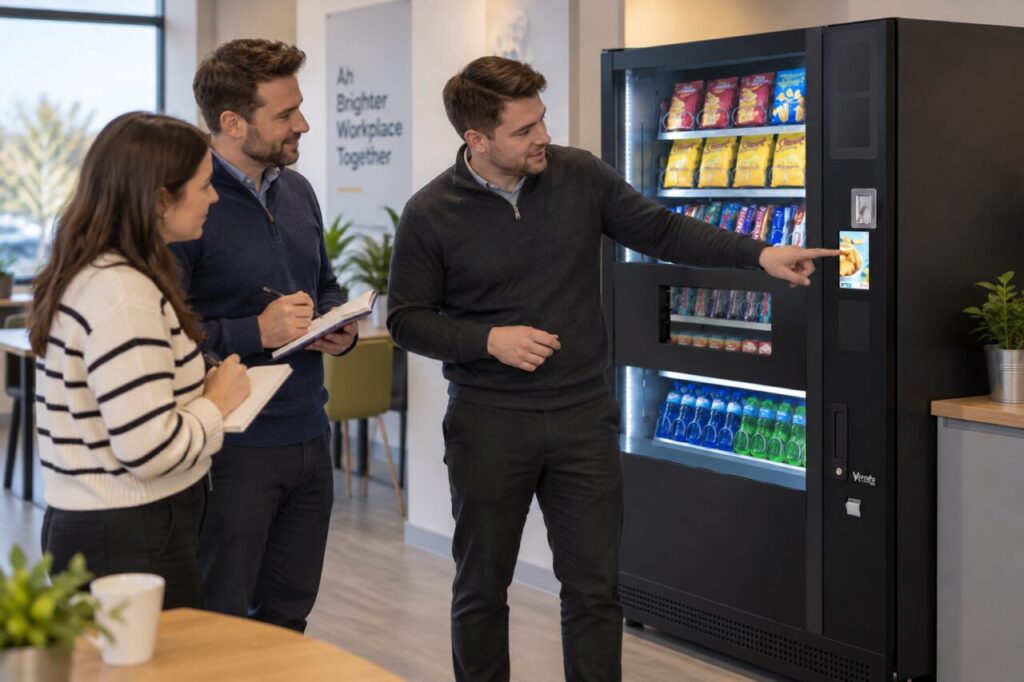
The training arrangement should match the supplied equipment and service agreement. A fully managed site contact may need a different introduction from a business that will stock its own machine. Ask the supplier to define the scope rather than assuming that one session qualifies everyone to do every task.
Map the normal working week
List the routine activities expected at your site. These might include reporting a problem, checking customer notices, managing stock records or performing specific operator tasks under the supplier’s instructions. Assign names or job roles to the activities, then identify which people need practical instruction and which need only the reporting process.
Include the days when the main contact is absent. A service can become dependent on one person if nobody else knows where the instructions are stored or how to contact support. Arrange suitable cover without sharing private account credentials or giving people access beyond their actual responsibilities.
Distinguish operation from technical work
Ask the supplier to explain the boundaries of the operator role clearly. Knowing how to make a selection does not authorise someone to open service areas, alter electrical components or change technical settings. Any task outside the agreed training should be referred to the responsible service provider.
Keep these boundaries in the written handover. A short list of permitted routine tasks and escalation contacts can prevent well-intentioned improvisation. Where equipment instructions specify qualifications or other requirements, follow those instructions. Do not replace model-specific guidance with a generic checklist found online or copied from another machine.
Make the session practical
Give attendees time to follow the approved sequence themselves where the trainer says this is appropriate. Watching a demonstration and completing the task under supervision are different experiences. Ask questions at the point of uncertainty, especially where an action changes stock records, payment settings or customer availability.
Use the actual supplied configuration when possible. If training takes place on a demonstration unit, note any differences that need explanation at installation. Ask where the relevant instructions will be available afterwards and how updates will be communicated. Keep the document version associated with the equipment record.
Record coverage and remaining needs
After the session, record the date, attendees, topics covered and any follow-up required. This is a practical service record, not a claim of certification. If a key person could not attend, arrange an appropriate introduction rather than assuming that an informal summary from a colleague is sufficient for every task.
For later staff changes, our article on a practical refresher for a new site contact offers a useful starting point. Apply the same principle at purchase: training should follow responsibilities. The equipment and service discussion should identify who will operate the machine and who will support them.
Review the plan after the first weeks of use. Repeated questions can reveal an instruction that needs clarification or a task that has no clear owner. Resolve that gap with the supplier before adding more people to the same unclear process. Good coverage means the right people understand the right tasks and know when to ask for help.
Contact us to discuss the training needs associated with your proposed vending arrangement.