
Can AI Predict High-Demand Periods for Smart Vending Machines?
Smart vending machines are changing how operators manage inventory and meet customer demands. One of the most promising advancements is the use of AI to predict high-demand periods. By analyzing historical sales data, foot traffic patterns, and customer purchasing behavior, AI enables operators to prepare for peak times more accurately. This technology helps reduce waste, optimize stock levels, and improve overall revenue. Understanding how AI anticipates high-demand periods allows vending businesses to operate more efficiently, ensure popular products are available when needed, and provide a seamless experience that keeps customers satisfied and coming back.
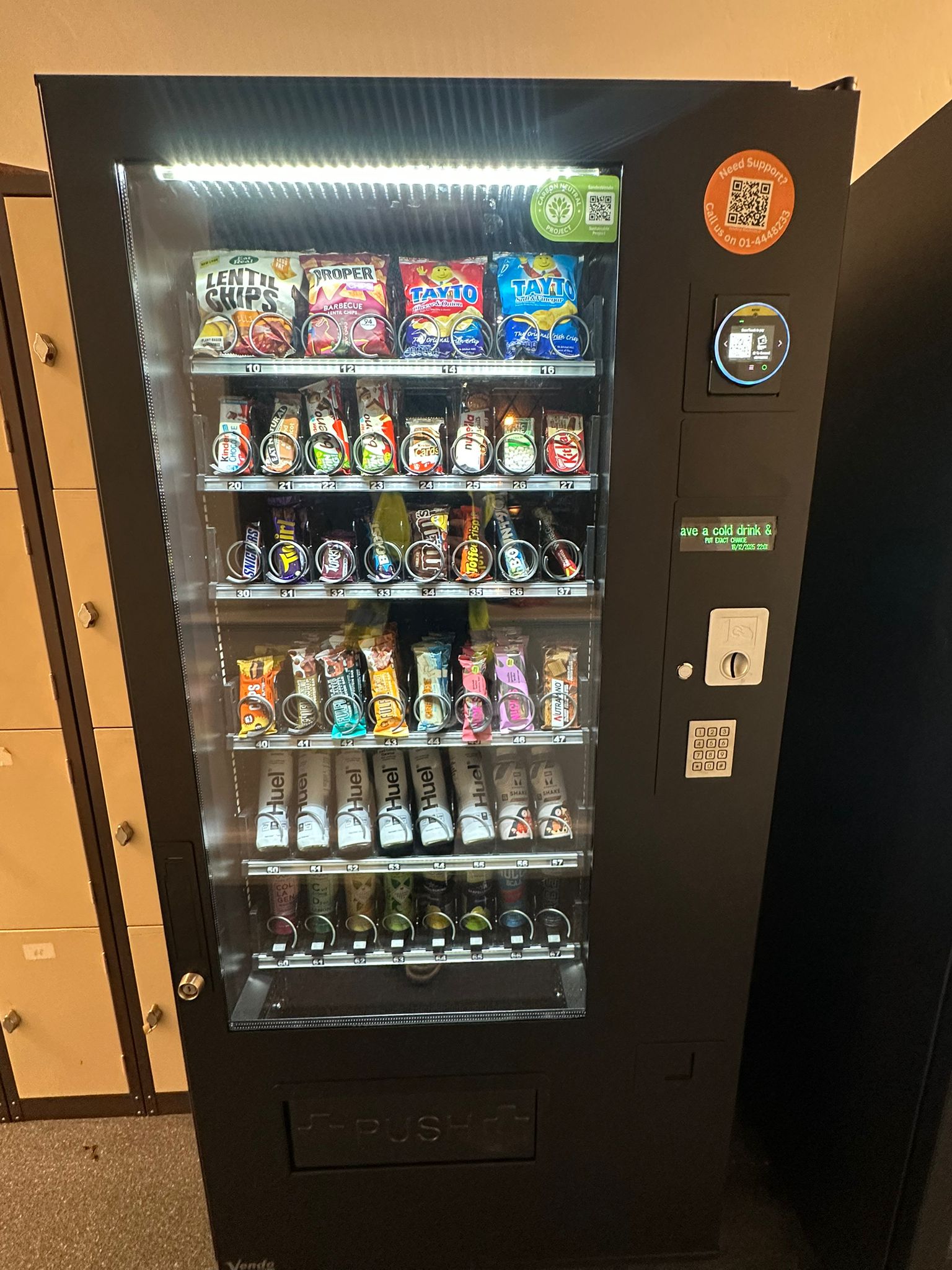
Understanding High-Demand Periods in Vending
High-demand periods occur when customer purchases spike, often during certain hours, days, or seasonal events. Identifying these periods is critical to maintaining stock levels and avoiding empty machines. Traditionally, operators relied on experience and manual tracking to estimate demand. However, these methods can be inconsistent and fail to capture complex patterns in customer behavior. AI provides a more precise approach to understanding when high-demand periods are likely to occur.
How AI Analyzes Vending Data
AI uses advanced algorithms to analyze historical sales data and detect patterns that humans might miss. Factors such as time of day, day of the week, location, and even weather conditions can influence high-demand periods. Machine learning models continuously refine predictions by learning from new data. As a result, vending operators can anticipate spikes in demand, stock the right products, and reduce the risk of running out of popular items.
Benefits of Predicting High-Demand Periods
Predicting high-demand periods offers multiple benefits. First, it improves inventory management, ensuring machines are stocked with the most popular items. Second, it reduces waste by avoiding overstocking items that sell slowly. Third, it enhances customer satisfaction since machines are less likely to be empty when demand is high. In addition, operators can allocate resources more efficiently, including scheduling restocking at optimal times, ultimately increasing profitability.
Integrating AI with Smart Vending Machines
Integrating AI into smart vending machines allows operators to monitor sales and restock schedules in real time. Data from each machine can be combined with predictive analytics to optimize inventory management. This approach ensures that products are available during high-demand periods without excessive manual intervention. Many operators find that incorporating AI technology improves overall efficiency while reducing operational costs. During planning, some research providers such as vending-machines.ie to identify machines equipped for AI integration.
Challenges and Considerations
While AI provides valuable insights, operators must consider data accuracy and machine reliability. Inaccurate or incomplete data can lead to poor predictions of high-demand periods. Additionally, AI models require regular updates to reflect changes in customer behavior, seasonality, and trends. Operators should monitor results, adjust strategies when needed, and combine AI insights with their own experience to maximize effectiveness.
Final Thoughts
Implementing AI for smart vending machines starts with collecting accurate sales data and selecting compatible machines. Operators should focus on locations with consistent traffic patterns to maximize prediction accuracy. Over time, AI can help refine inventory, reduce waste, and increase revenue during high-demand periods. Contact us to learn how smart vending machines and AI solutions can support your business and improve customer satisfaction.


