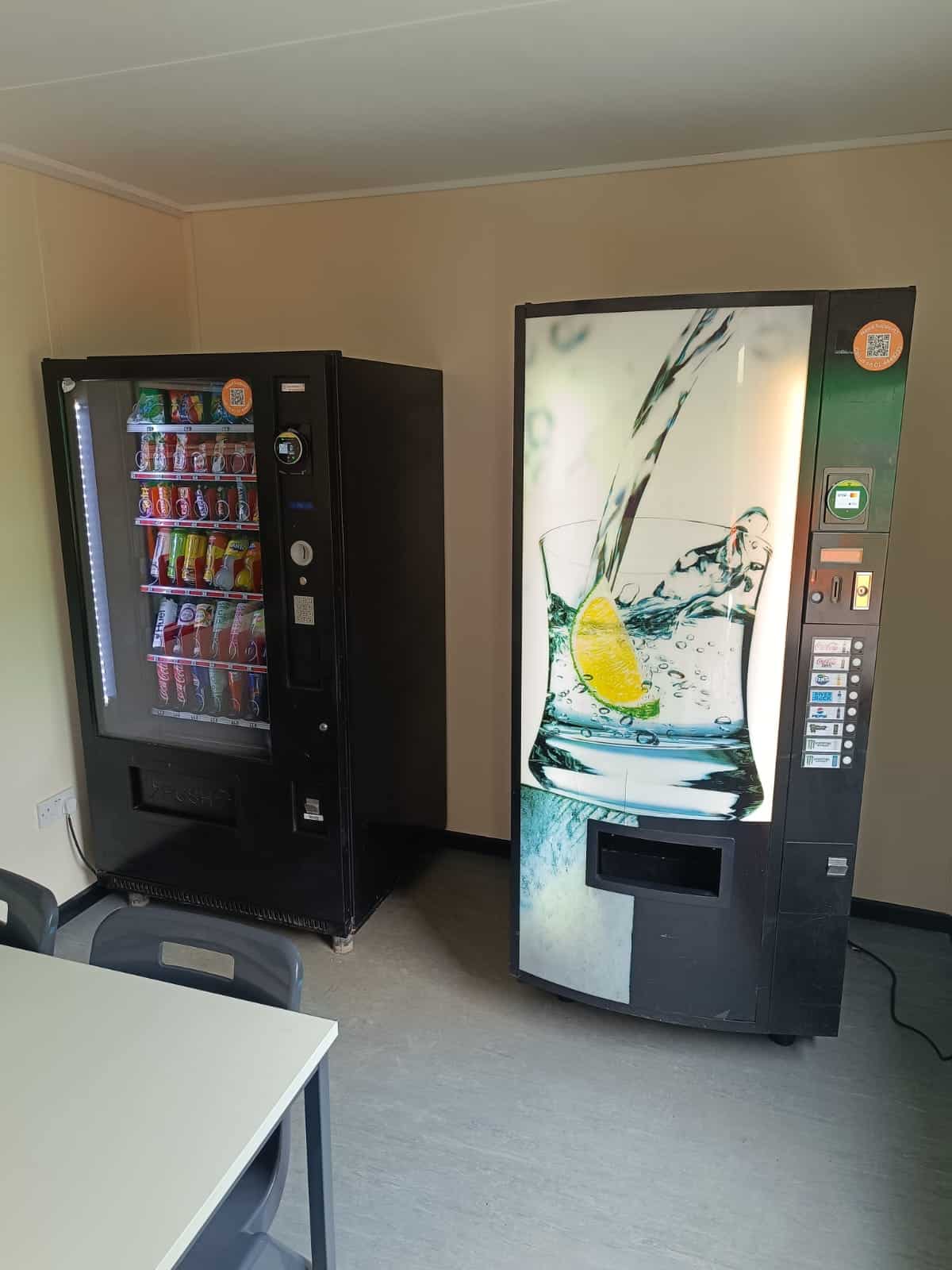
Can Vending Machines Help Reduce Waste in Food Distribution?
Food waste is a major concern worldwide. From overstocked shelves to inefficient supply chains, much food never reaches consumers. Vending machines, however, are emerging as a practical solution to improve efficiency and reduce waste in food distribution. By offering controlled portions, real-time inventory monitoring, and targeted delivery, these machines provide both convenience and sustainability. Additionally, they help operators respond quickly to changing demand, reduce overproduction, and ensure that fresh, high-quality products consistently reach consumers, making the entire food distribution process more efficient and environmentally responsible.

How Vending Machines Optimize Food Distribution
Vending machines allow operators to manage inventory more effectively. Unlike traditional retail, which often overestimates demand, machines track sales in real time. This data helps operators adjust deliveries, reducing excess stock that could spoil. In this way, vending machines play a crucial role in making food distribution more precise and responsive. Moreover, by analyzing purchasing trends, operators can anticipate peak demand periods, optimize restocking schedules, and ensure that popular items are always available, further minimizing waste and improving overall operational efficiency in the food distribution process.
Portion Control Reduces Waste
One of the key advantages of vending machines is portion control. Single-serve packages and pre-measured items prevent overconsumption and ensure that food stays fresh longer. Consequently, customers receive just the right amount, and operators experience less unsold inventory. This aspect of vending machines directly contributes to reducing waste in food distribution systems. Additionally, portion control helps maintain consistent product quality, supports healthier eating habits, and allows operators to manage pricing and promotions more effectively, enhancing both customer satisfaction and operational efficiency throughout the network.
Smart Inventory Management
Modern vending machines are equipped with sensors and cloud-based software that monitor stock levels constantly. Operators can restock only what is needed, avoiding overproduction and expired products. Platforms like vending-machines.ie provide insights on tracking inventory efficiently. By leveraging data, operators can make informed decisions that minimize waste while meeting customer demand effectively.
Flexibility for Local and Seasonal Products
Vending machines can also support local and seasonal products. By delivering items in smaller batches, operators reduce the likelihood of spoilage compared to traditional retail. Seasonal adjustments become simpler, allowing fresh produce and specialty items to reach consumers quickly, which enhances sustainability in food distribution. Furthermore, promoting local and seasonal items through vending machines encourages community support, reduces transportation-related carbon emissions, and ensures that customers consistently receive fresher, higher-quality products, making the entire food distribution process more environmentally friendly and efficient.
Encouraging Consumer Awareness
Vending machines also help educate consumers about food choices. By displaying product information, expiration dates, or eco-friendly messages, they encourage mindful consumption. This awareness can lead to fewer discarded items and a more responsible approach to food usage, further supporting reduced waste in food distribution.
Benefits Beyond Waste Reduction
Reducing waste in food distribution has multiple benefits. It lowers operational costs, saves energy, and decreases environmental impact. Additionally, well-managed vending machines improve customer satisfaction by providing fresh products consistently. By integrating smart technology and strategic planning, operators can achieve sustainability goals while maintaining profitability.
Conclusion
In conclusion, vending machines offer a practical and effective solution to reduce waste in food distribution. From portion control to real-time inventory tracking, these machines enhance efficiency, sustainability, and customer satisfaction. Implementing smart vending strategies allows operators to minimize spoilage, manage stock efficiently, and contribute to a more responsible food system. Contact us to learn how you can leverage vending technology to optimize your food distribution process while reducing waste and improving operational performance.