Can Vending Machines Support Local Food Artisans or Farmers?
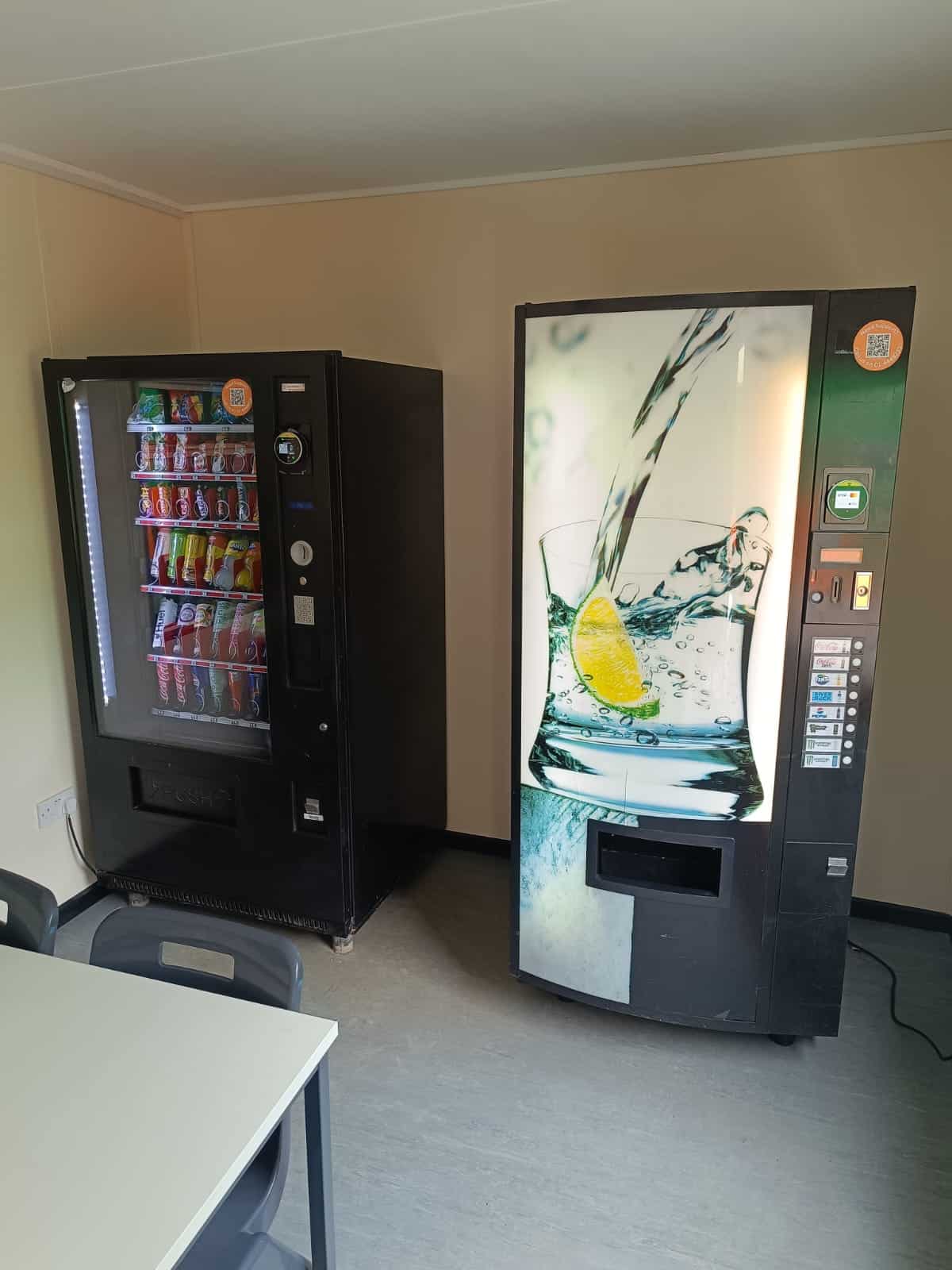
Vending machines have evolved far beyond soda and candy. Today, they offer a unique opportunity to connect communities with local producers. In particular, they can create real value for farmers and food artisans who want new ways to reach customers. When placed strategically, vending machines can bridge the gap between local supply and everyday demand. This approach supports small businesses, encourages repeat purchases, strengthens community ties, reduces distribution barriers, and helps consumers discover fresh options during busy daily routines without compromising quality or local identity.

Why Food Artisans Need New Sales Channels
Many food artisans produce high quality goods but struggle with limited shelf space and distribution. Farmers markets operate only on certain days. Meanwhile, small retailers often prioritize national brands. As a result, local producers miss daily sales opportunities. Vending machines offer constant access, which helps food artisans sell products without staffing a physical store. Moreover, they allow producers to test new items with minimal risk, gather customer feedback, adjust pricing, refine packaging, and build confidence before expanding into larger retail partnerships.
How Vending Machines Help Local Producers Reach Buyers
Vending machines placed in offices, hospitals, gyms, and schools create steady visibility. Because customers use them daily, local producers gain repeated exposure. Additionally, machines can display clear product labels and origin details. This builds trust and supports informed choices. Therefore, vending machines help producers connect directly with consumers who value locally sourced food.
Supporting Food Artisans Through Product Variety
Vending machines can stock a wide range of artisan goods. These include snacks, baked items, preserved foods, and beverages. Since machines rotate inventory easily, food artisans can adapt to seasons and trends. Furthermore, smaller batch sizes fit vending formats well. This flexibility allows food artisans to scale gradually while maintaining quality and freshness.
Benefits for Farmers and Local Economies
Farmers also benefit from vending machine distribution. They can sell processed goods like dried fruit, juices, or dairy based snacks. As sales grow, farmers gain predictable income. Consequently, local economies strengthen through retained spending. In addition, vending machines reduce food miles, which supports sustainability goals. Because of this, communities benefit alongside food artisans and farmers.
Technology Makes It Easier for Food Artisans
Modern vending technology supports cashless payments, sales tracking, and remote monitoring. These features help food artisans understand buyer behavior. They can adjust pricing or product mix based on data. For example, vending-machines.ie highlights how modern machines integrate smart systems that support efficient operations. As a result, food artisans can focus more on production and less on logistics.
Challenges and How Food Artisans Can Overcome Them
Despite the benefits, challenges exist. Packaging must meet vending standards. Shelf life also matters. However, food artisans can overcome these issues with proper planning. Clear labeling, suitable packaging, and collaboration with vending operators make a difference. Moreover, starting with a limited product range helps manage risk while building demand.
A Growing Opportunity for Food Artisans
Overall, vending machines can strongly support local producers. They provide constant access, lower overhead, and valuable data. When used thoughtfully, they help food artisans and farmers reach modern consumers who want convenience without sacrificing quality. As demand for local products grows, vending machines will likely play a bigger role in local food systems. If you want to explore how vending solutions can support local producers and communities, contact us to learn more about the possibilities.