Why is the milk froth not working on a workplace coffee machine?
Milk froth problems can have several causes, so first identify the system in your workplace coffee machine. A machine using fresh milk has different components from one using a powdered milk ingredient. The drink name on the screen does not tell you which system is inside. Ask the operator before applying advice intended for another design.
Describe the milk froth problems clearly
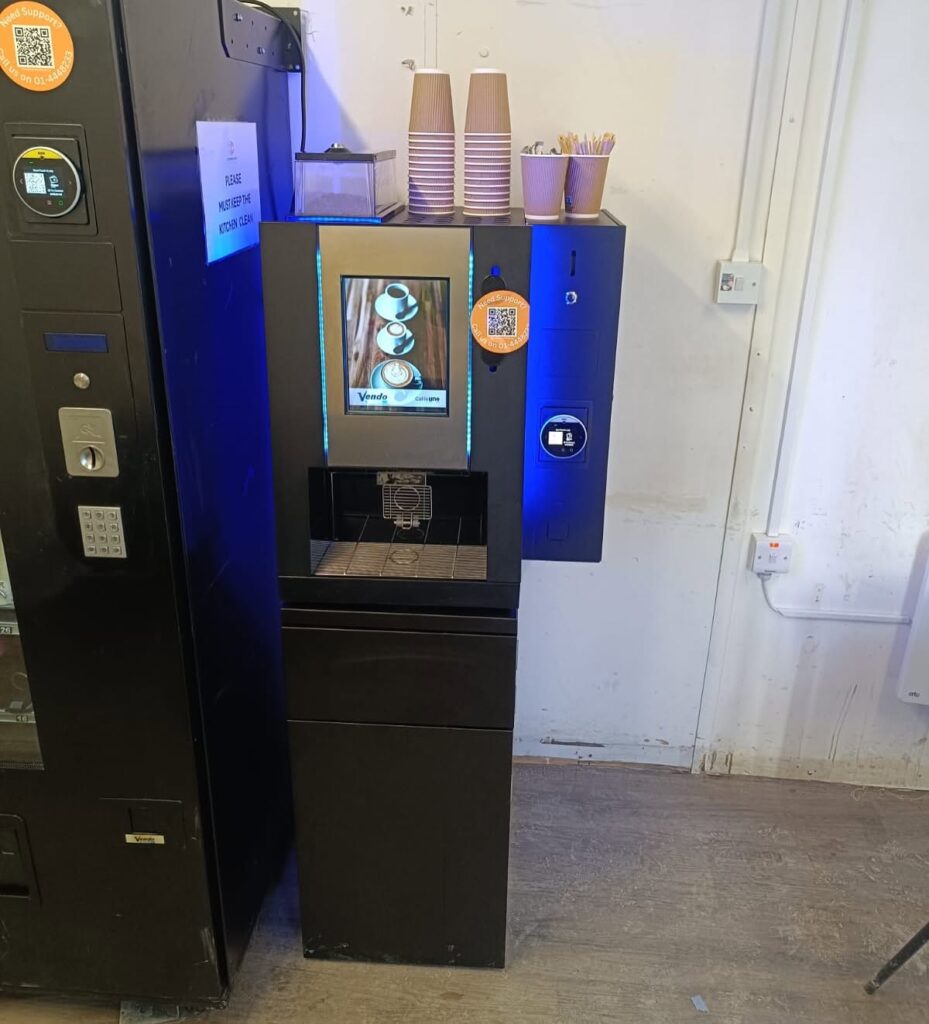
Does the machine dispense no milk, thin milk, large bubbles or only steam? Does the problem affect every milk drink or just one selection? Record the answer and the display message. A report saying the cappuccino is wrong is harder to investigate than a description of what the machine actually dispenses.
Also note when the problem began. Useful changes include a newly opened milk product, a completed cleaning cycle, a disconnected tube or a new recipe setting. Do not assume the most recent event caused the fault, but give the service team that information. Keep packaging available so the exact ingredient can be identified.
For fresh-milk systems, check the approved routine
Miele’s milk-froth troubleshooting lists milk temperature, incorrectly fitted containers or tubes, and blocked milk pipework among possible causes on its specified models. The useful lesson is to check the complete milk path. The removal and cleaning procedure still needs to come from the manual for your own machine.
A trained operator can confirm that accessible parts are fitted as instructed and that the approved milk-cleaning programme has finished. Customers should not pull apart valves or reach into the machine. Hot liquid and steam can escape, and a part that looks similar to another model’s component may need a different assembly method.
For powdered systems, ask about ingredient flow
If the machine uses a powdered milk ingredient, advice about a fresh-milk suction tube will not solve its problem. Tell the operator which selection is affected and whether other powdered drinks dispense normally. The operator can check the appropriate canister, recipe and mixing system within the manufacturer’s service procedure.
Do not add fresh milk or water to a dry-ingredient container. Do not substitute a household powder simply because its packet says milk. Ingredient compatibility and dosing need to be checked for the equipment. Keep the product name in the restocking instructions so a change of supplier does not introduce an untested substitute.
Cleaning and assembly deserve separate checks
Cleaning a component is only part of the task. It must also be reassembled correctly and returned to the right position. If frothing stopped immediately after cleaning, tell the operator. They can compare the assembly with the correct diagrams instead of changing the drink recipe to compensate for a misplaced part.
Miele’s guidance for another milk system warns against using pointed objects to clean its air intake. This is a useful reminder that clearing a small opening with a pin can be inappropriate. Use only the tools and methods specified for the installed equipment.
Confirm the result before changing the menu
After authorised care, check the same drink and serving size. Record whether normal froth has returned and whether any error remains. If the problem continues, arrange service and make the affected selection unavailable where appropriate. Do not leave a misleading drink label active while customers receive something materially different.
Finally, keep the care handover clear between shifts. Record who completes the milk-system routine and who contacts the service provider. Our hot-drink recipe guide also explains why ingredients and configured portions matter. A reliable workplace drinks service depends on both the recipe and the equipment being maintained consistently.
For workplace coffee equipment enquiries, contact our team with the model and a description of the issue.