
Can you spend €2 commemorative coins in a vending machine?
You can spend circulating €2 commemorative coins in Ireland. A different design on the national side does not change their face value. A particular vending machine still needs to accept the €2 denomination and complete the sale. Look at the payment instructions before inserting a coin, especially when several machines share the same room.
What makes commemorative coins different?
The European Central Bank’s guide to €2 commemorative coins explains that these coins share the features, properties and common side of normal €2 coins. The special design appears on the national side. They are legal tender throughout the euro area. A picture you have never seen before is therefore not enough to tell you that a €2 coin is foreign currency or unusable in Ireland.
Turn the coin over and look for the ordinary common side and its denomination. If you are interested in the design, compare the national side with the ECB’s illustrated collection. Keep a coin you want to collect out of the purchase altogether. Once it has paid for a snack, asking for a refund will not guarantee that you get the same physical coin back.
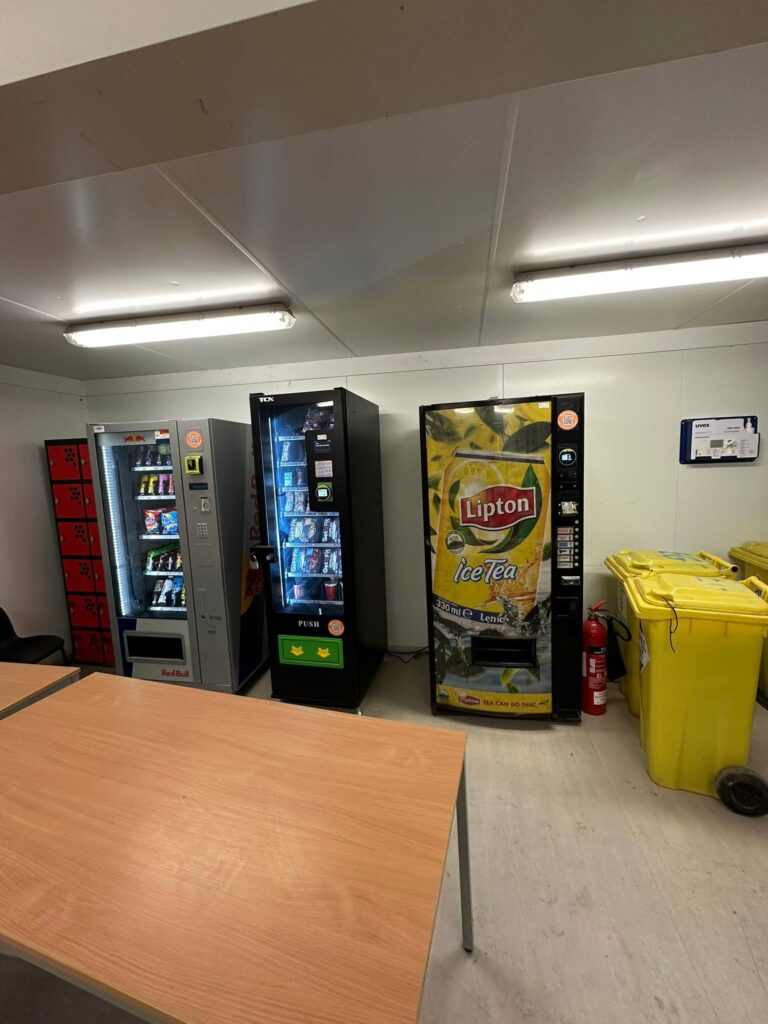
Read the instructions on this machine
Check which payment methods the machine shows. The presence of a keypad or a contactless symbol does not establish that it accepts cash. Look for a coin entry point, the accepted values and any message asking for exact change. If a machine advertises card payments only, use a different method or choose another cabinet that accepts the coins you have.
Suppose a selection costs €1.60 and you want to use one €2 coin. That purchase requires 40 cent in change. When the machine asks for exact money, the issue might be the change needed for the sale. Try the exact price in accepted denominations if you have it. That gives you more information than repeatedly putting the same €2 piece into the slot.
If the machine returns the coin
Collect the coin from the return cup and check the displayed credit before trying anything else. If the door lists €2 but the machine repeatedly returns your coin, switch to another accepted payment method or contact the operator. Give the machine identifier and the exact message. Mention whether a normal €2 coin worked at the same selection if you already know.
Do not force a coin into a slot or try to change its surface. If the coin stays inside and the machine gives no credit, record the time and amount. Make it clear that the machine retained the coin. That is a different support enquiry from a machine that returned it and never started a sale.
What a site manager can tell customers
When a visitor asks whether a commemorative piece is worth two euro, there are two questions to answer. The ECB can establish what type of coin it is. The operator can establish which payment options the particular cabinet supports and whether it currently has change. Put the contact number beside the machine identifier so visitors can report a failed purchase while the details are fresh.
If several visitors report returned €2 coins, record the pattern by machine and time. Avoid labelling all special designs as unacceptable on a handwritten sign. The operator can check the affected cabinet and update its payment notice with the actual restriction. That gives visitors practical information whether they carry an ordinary €2 coin or a commemorative one.
For more on the payment mechanism, read how a vending machine identifies coins.
Related guide: planning the change float in a vending machine.


