
Why does a fizzy drink foam when you open it after vending?
When a fizzy drink foams as you open it, carbon dioxide is leaving the liquid. Movement on the way to the collection compartment can matter, as can temperature and how the can is handled afterwards. One spill is worth reporting, but it does not by itself show that a particular vending machine or brand is faulty. The most helpful first step is to describe when the drink started leaking.
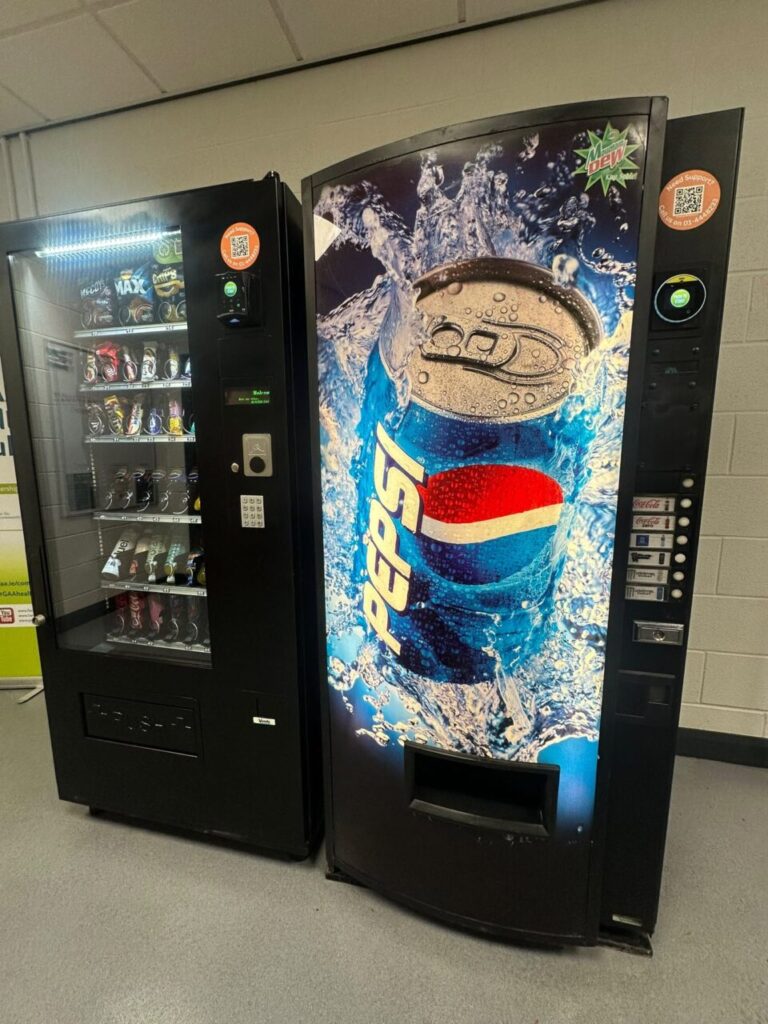
Why an opened can behaves differently
Carbon dioxide is dissolved in the drink under pressure. Opening the container reduces that pressure and allows gas to come out as bubbles. Agitation can make the gas escape rapidly when the seal opens, carrying liquid with it. The American Chemical Society’s soda explanation also describes the influence of warming. Someone opening a can after a bumpy journey may see a different result from someone opening another can from the same case.
Handle a freshly dispensed drink gently. Put an intact can upright on a stable surface and give it time to settle if it has been knocked about. Open it away from clothing, electronics and other people. There is no universal waiting time that guarantees a spill-free opening. If the package is damaged, leaking or otherwise suspect, keep it aside and contact the operator instead of trying to drink it.
Separate a leak from an opening spill
Was the can wet before you pulled the tab? Did you see a split seam, a puncture or a damaged rim? Was the collection compartment already wet? Those observations suggest a different investigation from an intact can that released foam only when opened. Check the packaging without reaching into the delivery mechanism. Report any spill that makes the floor slippery to the site contact.
Give the operator the machine identifier, row, product and purchase time. If you still have the can, note the pack size and batch marking. A short account such as “the can was dry when I picked it up and foamed as I opened it at my desk” gives a clearer starting point than “the machine shook it”. You need not identify the cause to make a useful report.
How an operator can investigate repeated incidents
Compare reports by row, drink format and delivery. Several reports from different flavours in the same row may justify checking the delivery path. Reports involving the same batch across more than one cabinet point towards reviewing handling or storage as well. These are leads for an investigation, not conclusions about a fault. Include unaffected rows or batches as a comparison.
With the supplier, observe a normal vend using the actual retail pack. Check how it travels, lands and can be collected. Record package condition immediately afterwards. If a case has arrived with visible damage, keep it identifiable for the supplier. Do not change cooling settings or mechanical parts on the strength of a foam complaint alone. Follow the equipment instructions and the operator’s product procedures.
Choose the drinks format during a demonstration
Ask to see the proposed cans or bottles travel all the way to the customer. Different formats can require a different delivery arrangement. Confirm the agreed pack, row and handling procedure before placing a case order. Repeat the test if a brand changes the shape or size of its packaging. That makes it easier to spot a new handling problem early.
Our guide to drinks capacity explains how pack choice affects refills. Send us the proposed packs when planning a workplace drinks installation.