
How Can a Vending Machine Ensure Security for Age-Restricted Items?
Selling controlled products through automated systems requires careful planning and responsible management. A vending machine can handle this task effectively when operators apply the right safeguards from the start. With smart technology, clear processes, and proper oversight, businesses can stay compliant while still offering convenient access to approved users. Secure systems help prevent misuse and reduce legal risks. They also build confidence with location owners and customers. Below is a practical look at how modern vending solutions maintain control, improve accountability, and ensure age verification without disrupting the user experience or daily operations.
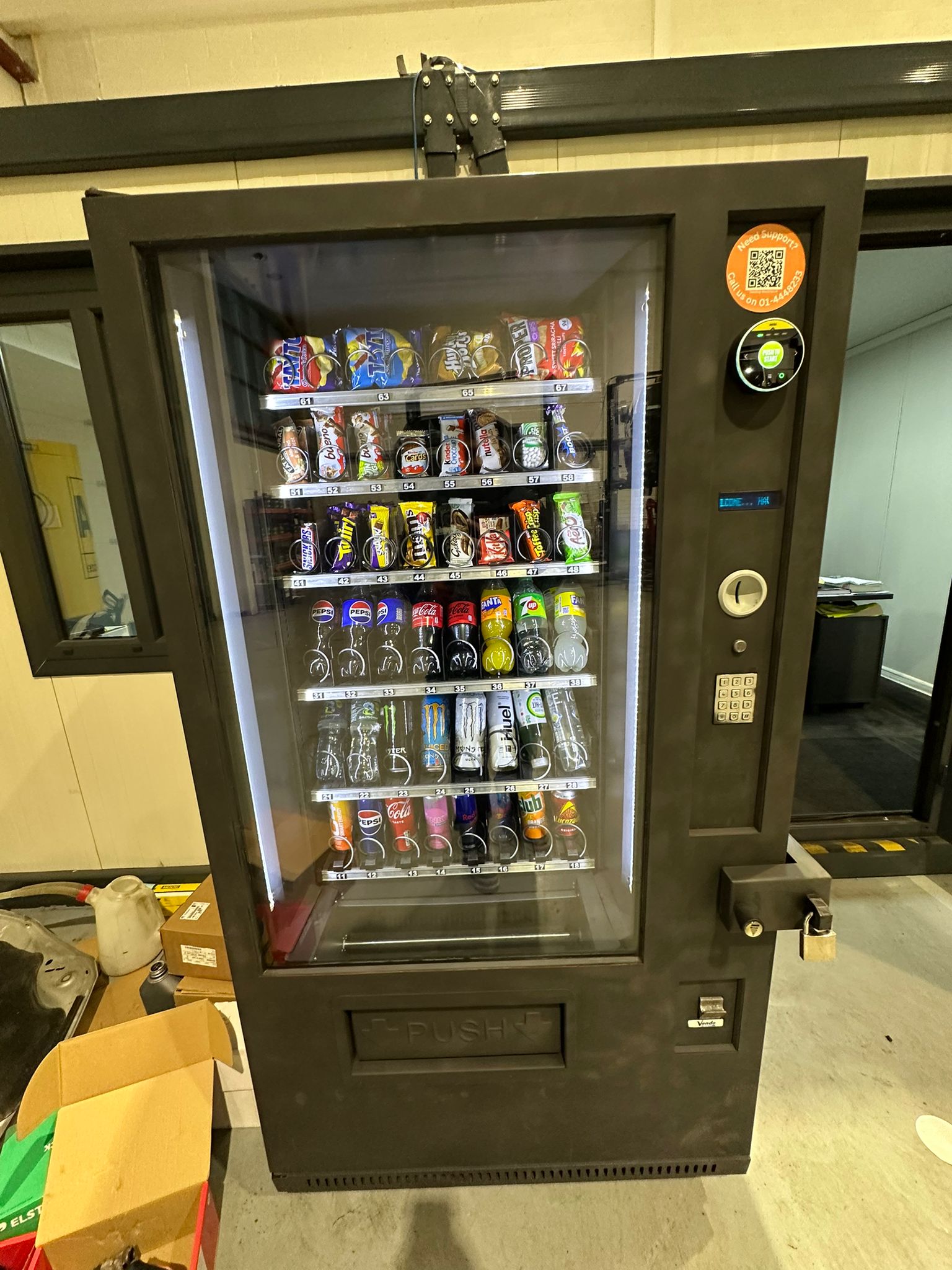
Understanding the Need to Protect age-restricted items
Security matters because regulations exist to protect people and promote responsible access. Any vending machine that dispenses age-restricted items must verify eligibility before completing a sale. Without proper controls, operators face fines, legal issues, and reputational harm. Strong safeguards protect the business while also supporting community standards. In addition, clear security measures build trust with locations such as schools, workplaces, and public venues that expect reliable compliance.
Smart ID Verification for age-restricted items
Identity verification plays a central role in vending security. For example, machines can scan government issued IDs before allowing a purchase. Additionally, some systems check birth dates through secure databases. These steps block underage access effectively. Moreover, biometric tools like facial recognition can add another layer of confirmation. When combined, these methods ensure age-restricted items only reach approved users.
Secure Inventory Controls for age-restricted items
Inventory management also plays an important role in maintaining compliance and control. Machines can lock sensitive products inside restricted compartments to prevent unauthorized access. At the same time, software tracks every transaction in real time, which helps operators identify unusual activity quickly. Access logs also record who stocked, serviced, or opened the machine. This structured approach reduces internal risks and keeps age-restricted items securely managed at all times.
Real Time Monitoring and Staff Oversight
Monitoring tools strengthen security throughout daily operations. For instance, cameras inside the machine record each interaction. Meanwhile, alerts notify operators if tampering occurs. Because of this, response times improve significantly. Many providers also integrate dashboards that show sales patterns and user behavior. A solution like vending-machines.ie demonstrates how monitoring features support responsible vending without slowing customers down.
Building Trust Through Clear Policies
Technology works best when it is supported by clear and consistent policies. Operators should display visible notices that explain age checks and purchasing rules. Staff must also understand how the system functions in daily use. Proper training helps teams handle questions and resolve issues quickly. Over time, this transparency reassures both location owners and customers. Trust naturally grows when people see fair and consistent enforcement for age-restricted items.
Conclusion
In summary, vending machines can securely handle sensitive products with the right mix of tools and oversight. ID verification, inventory controls, and monitoring each play a vital role. Together, they protect compliance while keeping service efficient. If you want to explore secure vending options or need guidance on responsible setups, contact us to learn more about available solutions.


