
How Can I Offer Dynamic Pricing for Vending Machines Based on Demand and Time?
Vending machines are moving beyond traditional pricing models, offering new opportunities to increase revenue and meet customer needs. One of the most effective strategies is adjusting prices based on real-time factors such as demand, time of day, and item popularity. By using this approach, vending operators can maximize sales during peak hours, encourage purchases of slower-selling items, and reduce waste. It also helps maintain optimal inventory levels and ensures machines are stocked with products that customers want. Overall, this strategy makes vending operations more efficient and profitable.
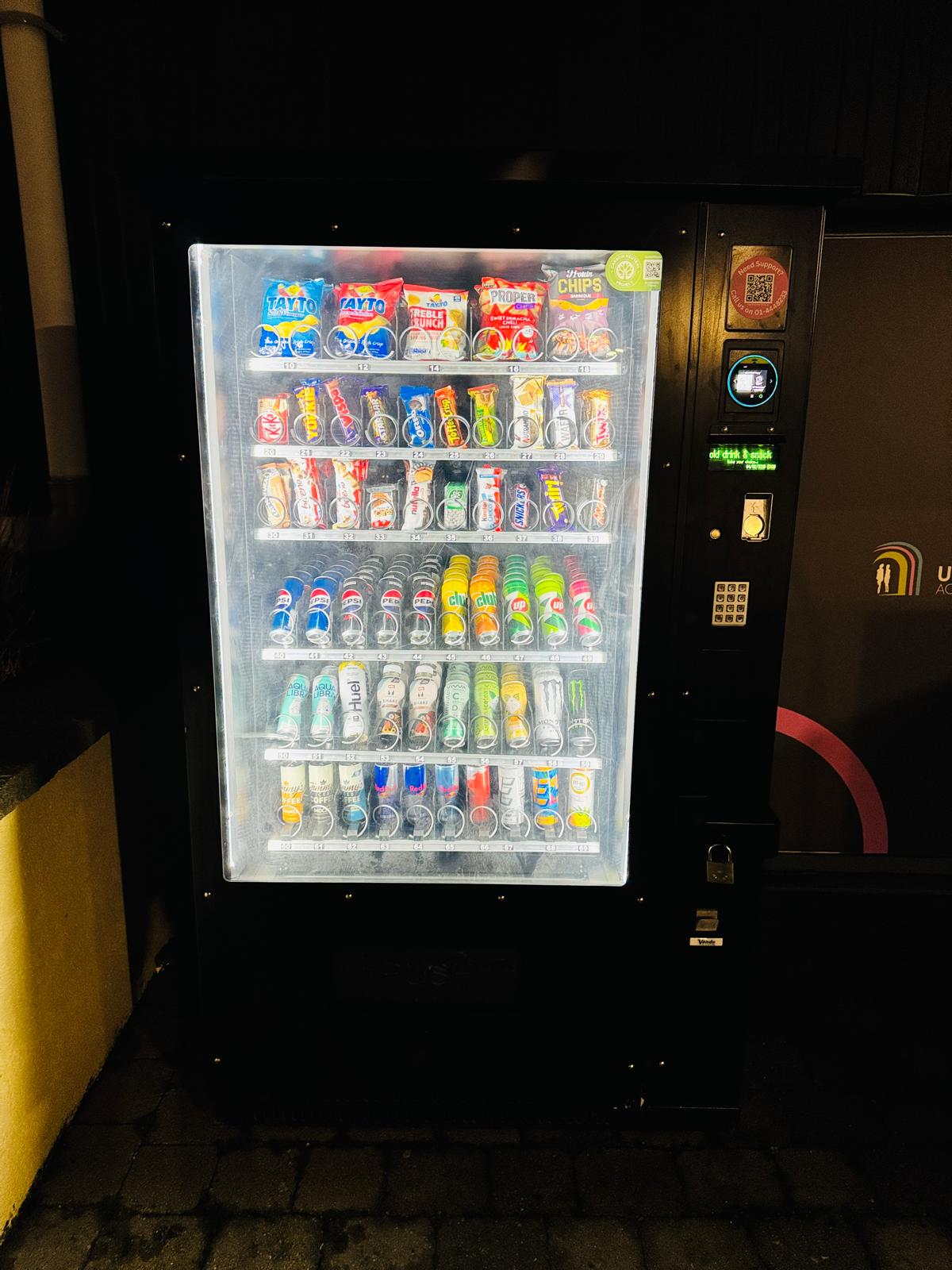
Understanding Dynamic Pricing for Vending Machines
Adjusting product prices based on real-time conditions allows vending operators to respond to customer demand effectively. Factors such as time of day, product popularity, or seasonal trends influence pricing decisions. By implementing this approach, operators can increase profits during peak periods and offer incentives to encourage sales during slower times. This strategy helps maintain product movement, reduce waste, and improve customer satisfaction. Overall, it creates a more efficient, responsive, and profitable vending operation that adapts to changing demand and maximizes revenue throughout the day.
Benefits of Dynamic Pricing
Dynamic pricing provides several advantages. First, it allows operators to capture higher revenue during high-demand periods. Second, it encourages sales of slower-moving items by adjusting prices downward. Third, it improves customer satisfaction, as pricing can reflect availability and convenience. Overall, dynamic pricing ensures vending machines operate more efficiently and respond to changing consumer behavior.
Collect and Analyze Sales Data
To implement dynamic pricing effectively, vending operators need accurate sales data. Track which products sell quickly and which items stay on shelves longer. By analyzing sales patterns and timing, you can uncover opportunities to adjust prices strategically. Regularly reviewing this information allows operators to optimize pricing, improve inventory turnover, and respond to customer demand. This data-driven approach ensures vending machines remain profitable throughout the day while keeping products appealing and accessible, ultimately supporting more efficient and successful vending operations.
Setting Time-Based Pricing
Time-based dynamic pricing allows vending operators to adjust product prices according to the hour, day, or event schedule. For instance, beverages often sell faster during lunch or breaks, while snacks may be more popular in the evening. By aligning prices with these patterns, operators can increase revenue, keep inventory moving efficiently, and reduce waste. This strategy ensures products stay appealing to customers at all times, encourages consistent purchases, and helps vending machines operate more profitably and responsively throughout the day.
Leveraging Technology for Dynamic Pricing
Modern vending machines often come with smart features that make dynamic pricing easier to implement. Integrated software allows real-time adjustments and remote monitoring, making pricing decisions more accurate and efficient. Platforms like vending-machines.ie offer solutions that help track sales trends, manage inventory, and implement dynamic pricing effectively, enabling operators to respond quickly to market demand.
Reviewing and Refining Pricing Strategies
Dynamic pricing is not a one-time task. Operators should regularly review sales data and customer behavior to refine pricing strategies. By monitoring trends and adjusting prices accordingly, vending machines can maintain optimal performance and customer satisfaction. This continuous improvement approach ensures the business stays competitive and maximizes revenue potential.
Conclusion
Offering dynamic pricing for vending machines is a powerful strategy for improving sales, inventory management, and customer experience. By collecting data, setting time-based prices, leveraging technology, and continuously refining strategies, operators can ensure their machines remain profitable and responsive to demand. For expert guidance and support in implementing dynamic pricing, contact us to learn more.


