How Can I Offer Multi-Language Options to Boost Customer Engagement?
Modern vending machines no longer serve only one type of customer. Instead, they often operate in offices, hospitals, airports, and public areas with diverse users. Therefore, offering multi language options can directly improve accessibility and satisfaction. More importantly, it helps businesses create stronger customer engagement while reducing confusion at the point of sale and encouraging smoother interactions, faster decisions, and repeat usage.

Why Multi Language Support Improves Customer Engagement
Clear communication builds trust. When users see their preferred language on a vending machine screen, they feel acknowledged. As a result, customer engagement increases because buyers interact with confidence. Moreover, language clarity reduces errors during product selection or payment. This simple change also shortens transaction time. Consequently, customers enjoy a smoother experience and return more often.
How Language Choice Strengthens Customer Engagement at First Touch
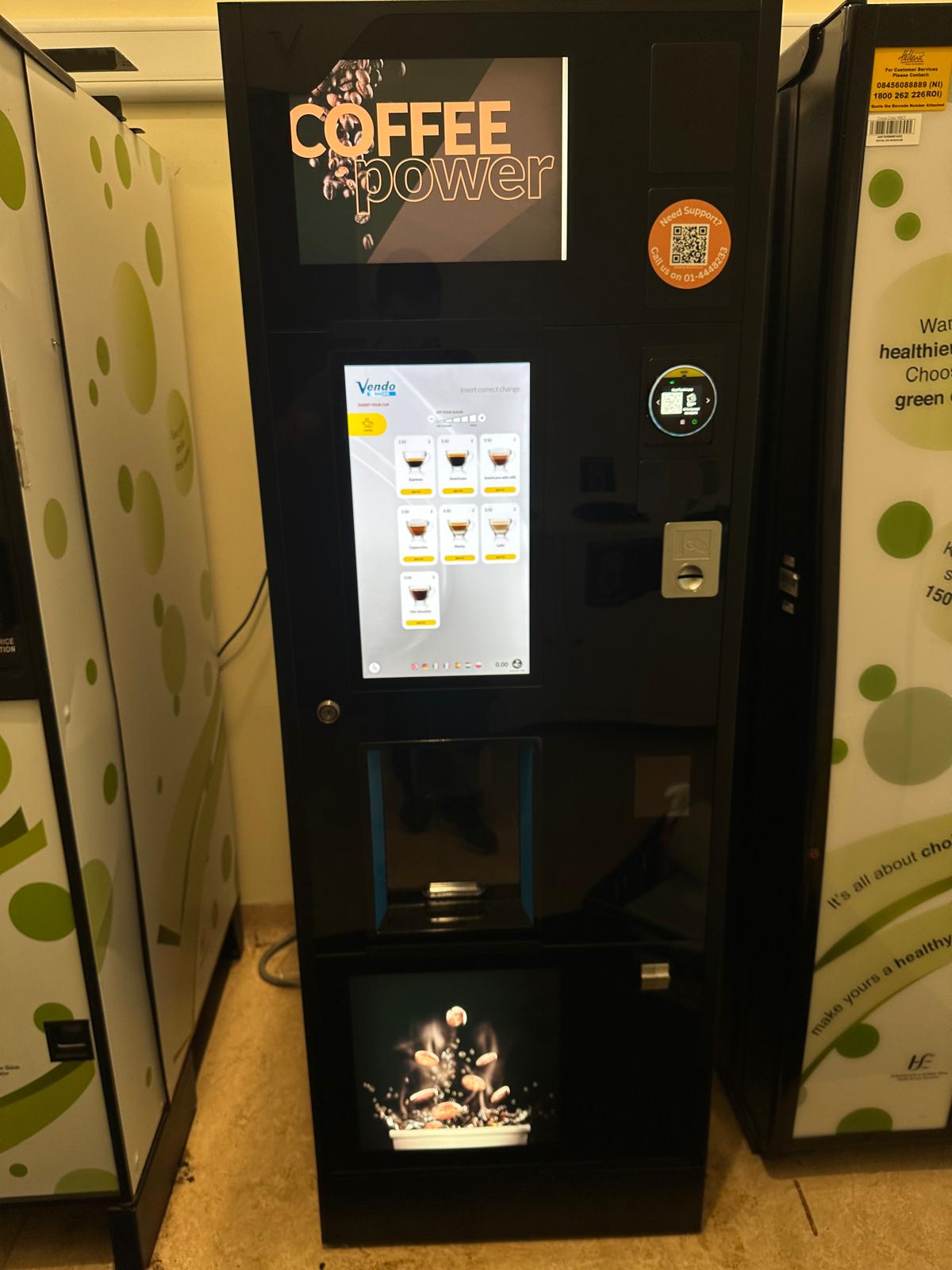
First impressions matter. When a machine greets users with language options, it immediately feels inclusive. Therefore, customer engagement improves before any purchase happens. Touchscreen prompts, product details, and payment instructions become easier to understand. In addition, users feel more comfortable exploring options. This comfort often leads to higher sales and repeat usage.
Key Features That Drive Customer Engagement Through Language
Successful multi language systems rely on smart design. First, language selection should appear on the home screen. This approach avoids frustration. Second, translations must stay accurate and simple. Complex wording reduces customer engagement instead of improving it. Furthermore, icons and visuals should support text. This combination helps users of all ages. Finally, machines should remember the last selected language when possible.
Using Customer Engagement Data to Refine Language Options
Data plays a major role in improvement. Machines can track language usage patterns over time. Therefore, operators learn which languages customers use most. This insight helps refine menus and instructions. Moreover, better data supports smarter updates. Many operators who work with vending-machines.ie focus on user data to improve accessibility and performance. As a result, customer engagement grows steadily through informed decisions.
Expanding Customer Engagement Across Different Locations
Different locations require different language strategies. For example, hospitals may need multiple regional languages. Offices may require fewer options. Therefore, flexibility matters. Machines should allow easy language updates without hardware changes. In addition, seasonal adjustments can help during events or peak travel periods. This adaptability keeps customer engagement strong across all environments.
Practical Steps to Implement Multi Language Interfaces
Start with your audience. Identify the most common languages in each location. Next, apply professional translations instead of automated ones. This step protects clarity. Then, test the interface with real users. Feedback quickly highlights issues. Finally, schedule regular updates. Language needs change over time, so staying current protects customer engagement in the long run while improving usability, trust, satisfaction, and consistent performance.
Conclusion
In conclusion, multi language options go beyond simple translation. They build comfort, confidence, and ease of use for every customer. As a result, they play a direct role in improving customer engagement and supporting long term growth across diverse locations. If you need help enhancing vending machine interfaces or user experience, contact us to discover practical solutions tailored to your goals and customer expectations.