How Can Vending Reduce Food Waste?
Reducing food waste has become an important goal for businesses across many industries. Vending operators can also contribute by improving how products are stocked, monitored, and managed. Modern vending technology makes it easier to keep the right products available while reducing unnecessary spoilage. Therefore, businesses can lower operating costs and provide a better customer experience. Moreover, thoughtful inventory planning supports sustainability efforts while helping operators improve overall efficiency. Smart inventory tracking, demand forecasting, and regular product rotation allow businesses to make better decisions and minimize unnecessary waste. As a result, vending operators can improve profitability, support environmental goals, and consistently provide customers with fresh, high quality products.
Smart Inventory Helps Reduce Food Waste
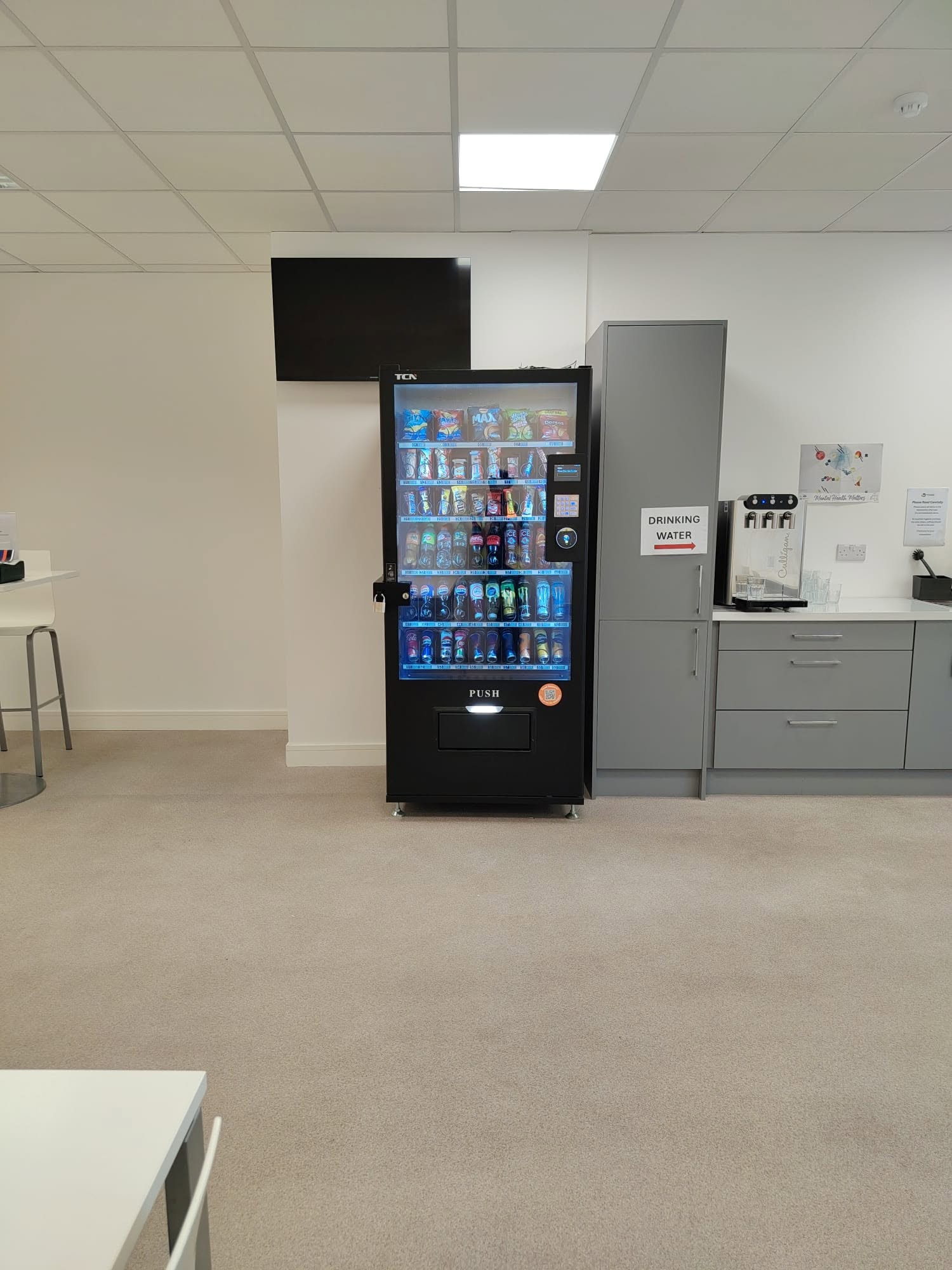
Accurate inventory management is one of the most effective ways to reduce food waste. Operators can track product sales and identify which items sell quickly or slowly. As a result, they can adjust stock levels to match customer demand more accurately. Furthermore, many modern vending systems provide real time inventory updates that support better restocking decisions. This approach helps businesses avoid overstocking while ensuring customers continue finding popular products. Additionally, regular inventory reviews and product rotation help prevent expired items from remaining in machines. Consequently, businesses reduce waste, improve operational efficiency, increase customer satisfaction, and maximize profitability through smarter inventory management practices.
Using Technology to Prevent Food Waste
Technology plays a major role in reducing food waste throughout vending operations. Smart monitoring systems can track product freshness, inventory levels, and purchasing trends. Therefore, operators receive valuable information that supports timely restocking and product rotation. For more information about modern vending solutions, visit vending-machines.ie. Additionally, businesses can use data to improve product selection and respond quickly when customer preferences change. These improvements help operators maintain fresh inventory while minimizing unnecessary product loss.
Product Selection Supports Better Results
Choosing suitable products also helps reduce unnecessary waste. Businesses should carefully study customer preferences before deciding what to place inside each vending machine. Moreover, reviewing sales reports regularly allows operators to replace slower selling items with products that customers purchase more often. Seasonal adjustments also improve inventory planning because demand can change throughout the year. Consequently, better product selection helps reduce expired items while increasing customer satisfaction and sales.
Daily Practices That Reduce Food Waste
Simple daily routines can make a significant difference in reducing food waste. Staff should inspect machines regularly to check expiration dates and product quality. Additionally, rotating inventory ensures older products sell before newer stock. Clean machines also help preserve product quality and encourage customer confidence. Furthermore, businesses should monitor vending locations because buying patterns may differ from one site to another. These practical habits support efficient operations while reducing unnecessary waste over time.
Conclusion
Reducing food waste benefits both businesses and the environment. Lower waste levels can reduce operating expenses while improving inventory efficiency and customer satisfaction. Additionally, sustainable practices demonstrate a commitment to responsible business operations. As vending technology continues to improve, operators will have even more tools to manage inventory effectively and reduce unnecessary losses. Contact us today to learn how modern vending solutions can help your business improve efficiency, reduce food waste, and support long term sustainability goals.