How Do I Calculate ROI for Each Product Category in a Vending Machine?
Calculating ROI for each product category is crucial for vending machine operators who aim to maximize profitability. Not all products perform equally, and some categories generate higher returns than others. By carefully tracking sales and costs, operators can make informed decisions about pricing, restocking, and promotions. ROI analysis also highlights underperforming items that may need replacement or adjustment. Additionally, understanding how each product category contributes to overall revenue allows operators to allocate resources effectively, focus on the most profitable options, and improve inventory planning, ultimately increasing sales, reducing waste, and enhancing the overall performance of vending machines.
Collecting Accurate Sales and Cost Data
The first step in calculating ROI for each product category is collecting accurate sales data. Track revenue for every category over a defined period, like weekly or monthly. Then, calculate all associated costs, including wholesale price, shipping, and handling fees. Considering every expense provides a realistic view of ROI. With detailed data, operators can calculate returns more reliably, identify trends, and make informed decisions for future stocking, pricing, and promotions, ultimately improving overall vending machine profitability.
Calculating ROI for Each Product Category
ROI is calculated by subtracting costs from revenue, then dividing the result by total costs and multiplying by 100 to get a percentage. For example, if snacks in one product category generate $500 in revenue and cost $300, the ROI is (($500-$300)/$300)*100, which equals 66.7 percent. Performing this calculation for each product category allows operators to see which items are generating the most value. Furthermore, comparing ROI across categories helps prioritize stocking and marketing efforts.
Adjusting Inventory Based on ROI Insights
Once ROI is calculated, operators can make adjustments to improve overall vending machine performance. High ROI product categories may benefit from increased stock, promotional campaigns, or featured placement to boost sales further. Conversely, low ROI items might require price adjustments, limited stocking, or removal entirely. Aligning inventory decisions with ROI data ensures machines are stocked efficiently and profitably. Additionally, tracking ROI over time helps operators identify seasonal trends or shifts in customer preferences, allowing them to respond proactively and maintain consistent revenue while optimizing overall product performance.
Leveraging Technology to Track ROI by Product Category
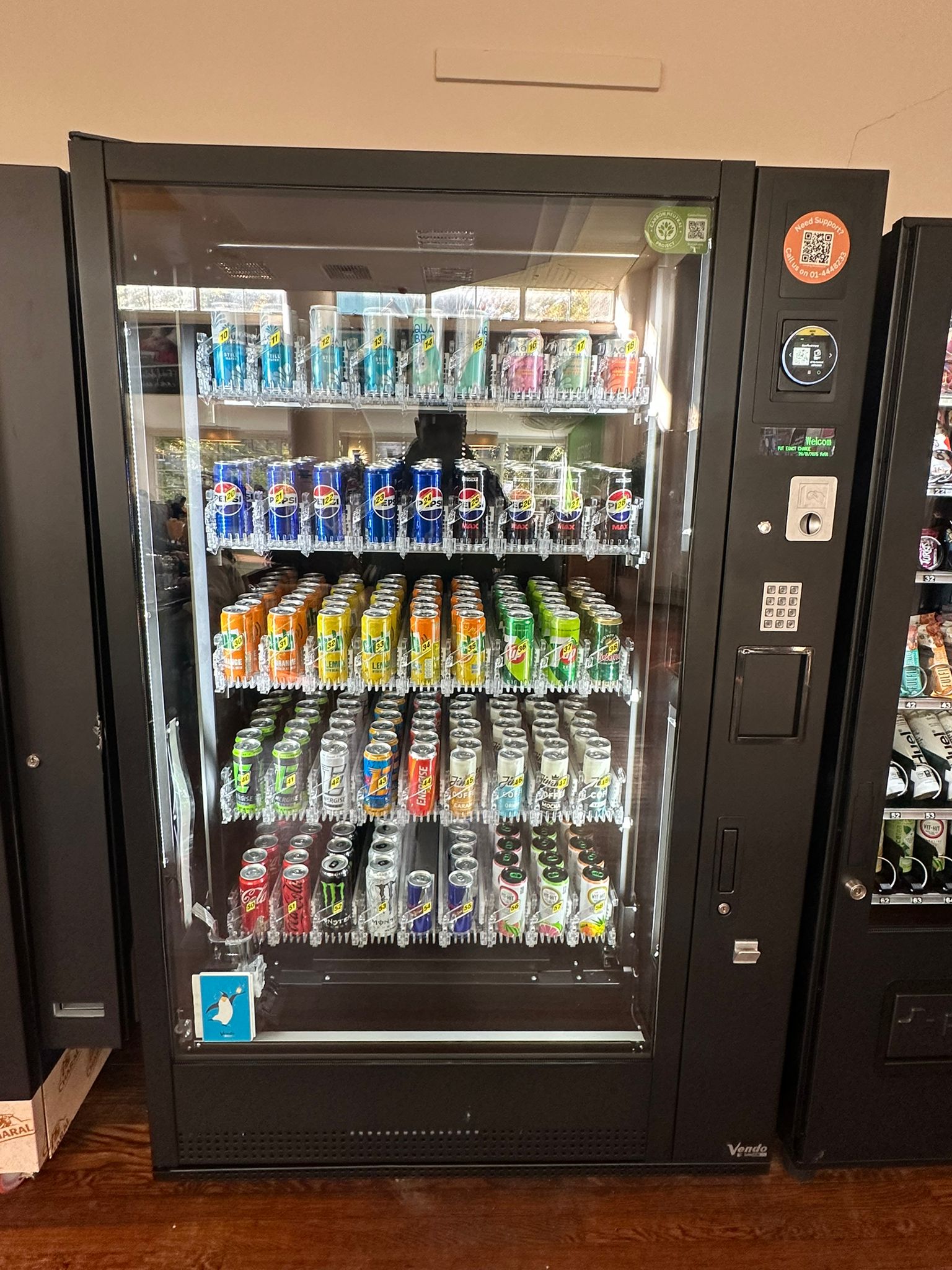
Modern vending machines can simplify ROI tracking by providing detailed reports for each product category. Smart machines connect to software platforms that capture sales, inventory levels, and revenue automatically. For operators, solutions available through vending-machines.ie allow seamless analysis of product category performance. With automated reporting, operators save time while ensuring accuracy. Moreover, software can highlight underperforming categories and suggest opportunities to improve profitability.
Conclusion: Using ROI Data to Maximize Profitability
Calculating ROI for each product category is a powerful strategy for optimizing vending machine operations. By collecting accurate sales and cost data, calculating returns, and adjusting inventory accordingly, operators can increase overall profitability. Technology and smart reporting make this process easier and more efficient. Regular analysis ensures that each product category contributes positively to your bottom line. Contact us to learn how smart vending solutions can help you track ROI effectively and make informed decisions for better performance and higher returns.