How Do I Calculate ROI for Individual Product Categories in a Vending Machine?
Understanding return on investment for different product categories helps vending operators make smarter decisions. Instead of guessing what sells best, you can rely on clear performance data. As a result, you allocate space to items that generate the most revenue. In addition, analyzing product categories reveals customer preferences and seasonal trends. This insight allows you to refine your product mix and improve overall machine profitability.

Identifying Costs Within Product Categories
To calculate ROI accurately, you must first identify all costs associated with each category. These costs include wholesale purchase prices, delivery expenses, and storage considerations. Additionally, some product categories require refrigeration or special handling, which increases operating costs. Therefore, separating expenses by category ensures a more precise analysis. When you understand true costs, you avoid overestimating profitability and can set more effective pricing strategies.
Measuring Revenue by Product Categories
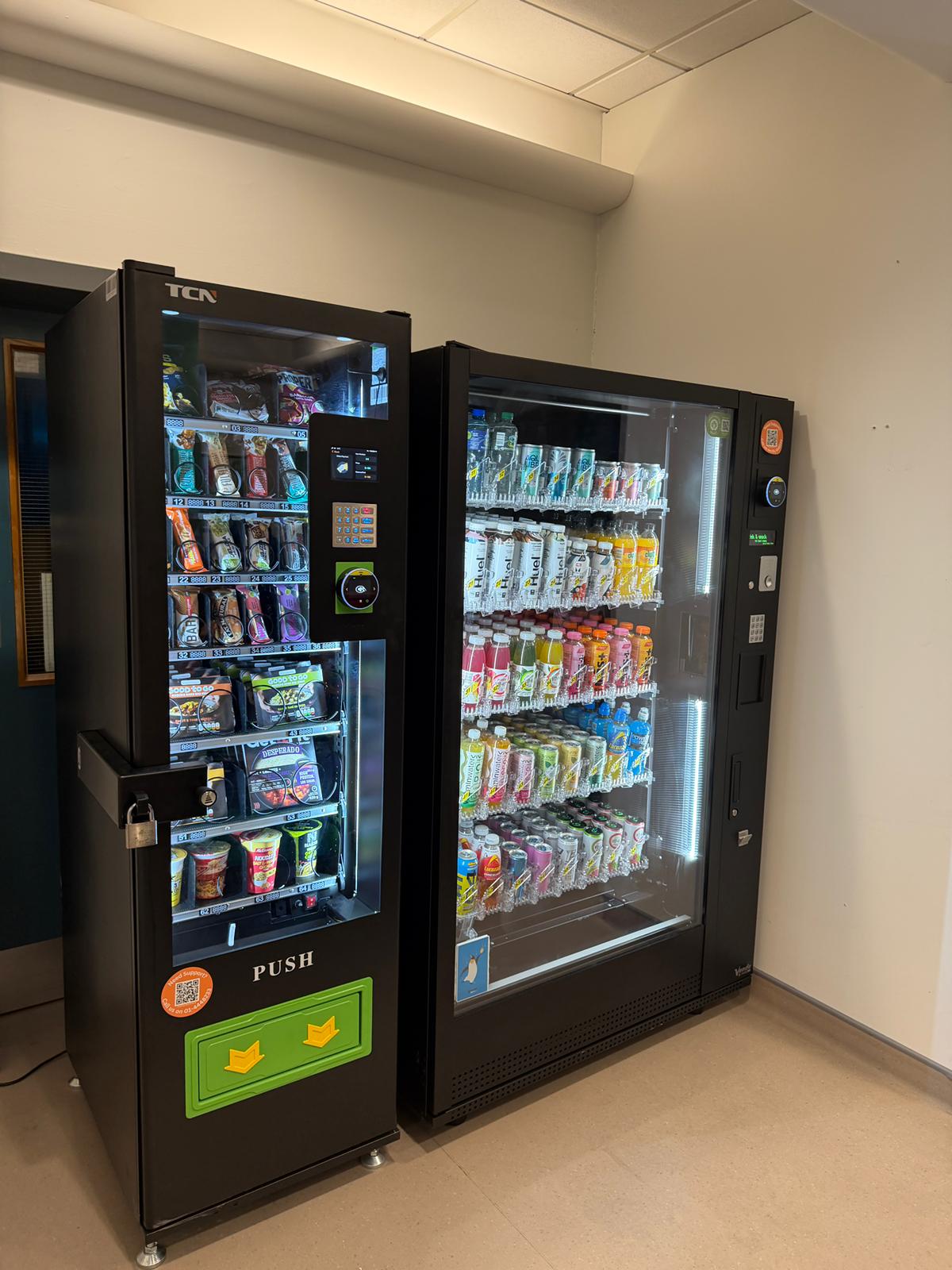
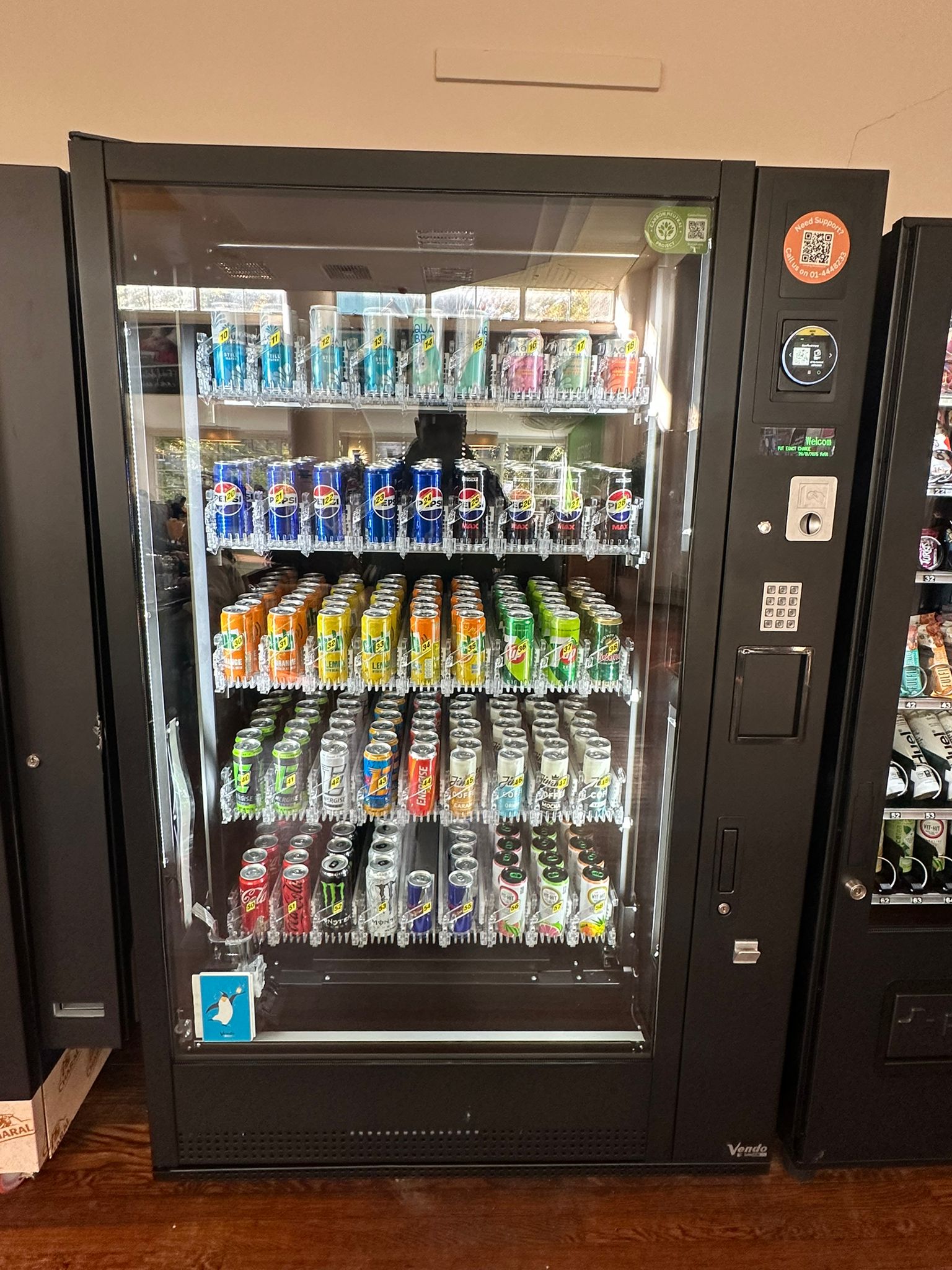
Revenue tracking is the next essential step. Modern vending machines record every transaction, allowing operators to see which product categories generate the highest sales. First, review sales totals for snacks, beverages, healthy options, and specialty items. Then, compare unit sales with total revenue to identify high performing categories. Because some items sell frequently but produce low margins, both volume and profit must be evaluated together.
Calculating ROI for Product Categories
Once you know costs and revenue, calculating ROI becomes straightforward. Subtract the total cost of a category from its revenue to determine net profit. Next, divide net profit by total cost and multiply by 100 to find the ROI percentage. For example, if a beverage category generates strong sales with low supply costs, it will produce a higher return. This method allows you to compare product categories objectively and prioritize the most profitable options.
Using Data Tools to Evaluate Product Categories
Technology simplifies ROI tracking and reporting. Cloud connected vending systems provide real time insights into sales performance and inventory levels. With these tools, operators can evaluate product categories without manual calculations. In the middle of a data driven vending strategy, vending-machines.ie provides modern machines that support remote monitoring and detailed reporting. Access to accurate analytics allows operators to make faster and more confident decisions.
Optimizing Product Categories for Higher Returns
After identifying high and low performing categories, the next step is optimization. Replace underperforming items with alternatives that match customer preferences. Additionally, test new products in small quantities to measure demand before expanding. Strategic placement can also influence sales, as eye level items often perform better. Over time, continuous testing improves category performance and maximizes revenue potential.
Monitoring Performance Over Time
ROI analysis should be ongoing rather than a one time task. Customer preferences change, and seasonal demand can affect product categories significantly. Therefore, review performance reports regularly and adjust your offerings accordingly. Continuous monitoring ensures that your vending machine remains profitable and responsive to customer needs.
Conclusion
Calculating ROI for individual product categories helps vending operators make informed, data driven decisions. By tracking costs, measuring revenue, and optimizing product placement, you can increase profitability while meeting customer demand. If you want to improve performance and gain better insights into your vending operations, contact us today to learn how smart vending solutions can support your growth.