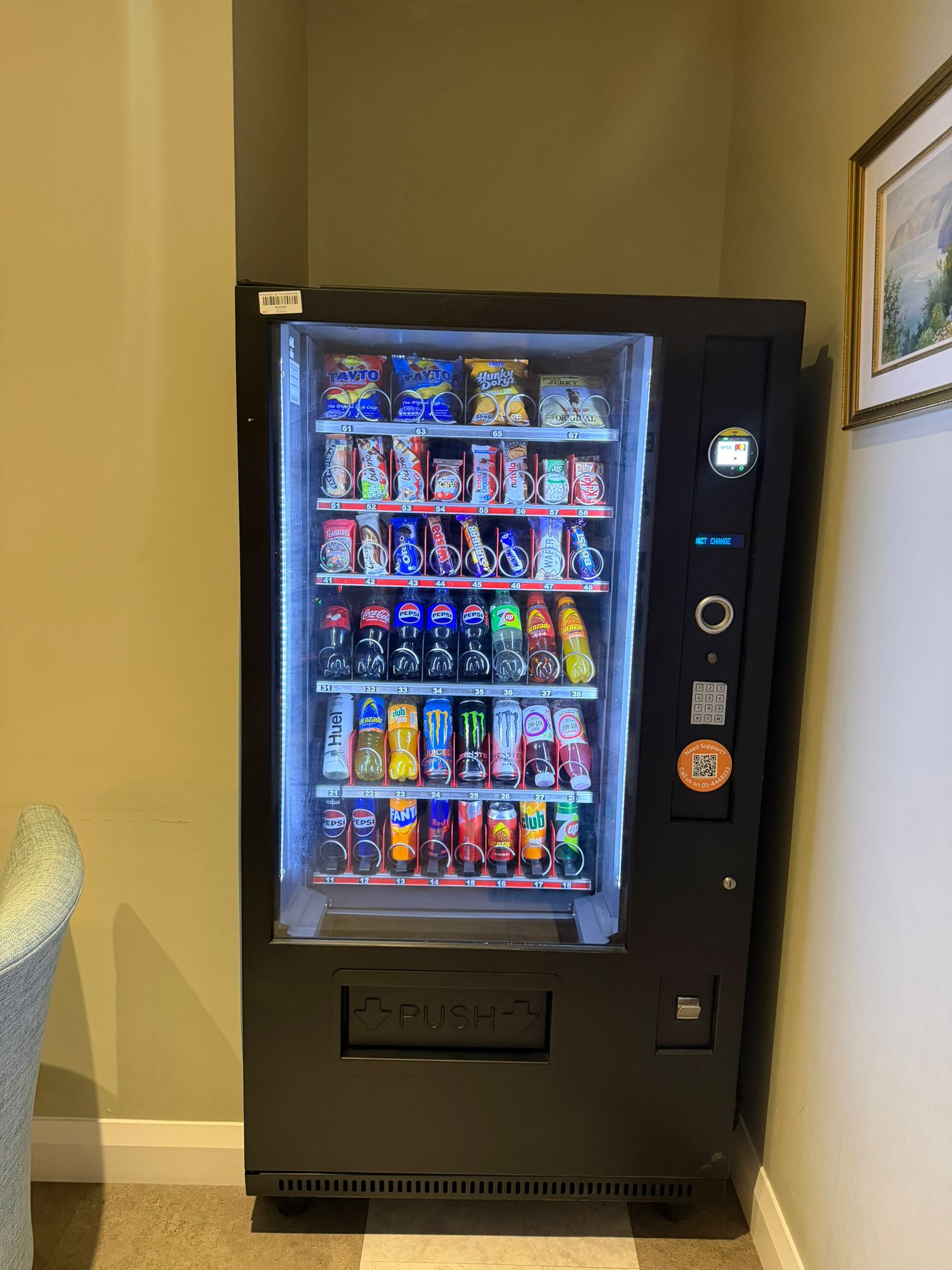
How Do I Handle Refunds for Cash and Cashless Transactions?
Handling refunds in vending operations can feel confusing at first. However, with clear processes, refunds become manageable and fair. Since machines now accept both coins and digital payments, operators must handle each method correctly. Below is a practical guide to managing refunds smoothly and professionally. Following consistent procedures, keeping detailed records, and using reliable software for cashless transactions not only prevents disputes but also enhances customer satisfaction, builds trust, and ensures that operators maintain a strong reputation for fairness and efficiency in all vending transactions.

Understanding Refund Basics for Cash and Cashless Transactions
First, it is important to understand how refunds differ by payment type. Cash refunds usually happen on site. In contrast, cashless transactions rely on digital systems. Therefore, refund handling depends on how the customer paid. Clear signage and simple instructions help reduce confusion from the start. Additionally, staff training, step-by-step guides, and visible contact information ensure that both cash and cashless transaction refunds are processed smoothly, enhancing customer confidence and reducing errors while saving time for both operators and customers.
Managing Cash Refunds at Vending Machines
Cash refunds often involve coin return buttons or manual intervention. If a product fails to vend, customers expect immediate resolution. Therefore, machines should be maintained regularly. In addition, operators should provide a visible contact number. This allows customers to request refunds quickly when issues occur. Moreover, keeping spare change available helps operators resolve complaints faster. As a result, trust increases and repeat usage follows.
Handling Refunds for Cashless Transactions Efficiently
Cashless transactions require a different approach. Since payments process electronically, refunds usually happen through the payment system. Therefore, operators must work with their vending software dashboard. Most systems allow transaction tracking in real time. As a result, operators can verify failed vends easily. Then, refunds for cashless transactions can be issued back to the original payment method. Although refunds may take a few days, clear communication reassures customers.
Setting Clear Policies for Cashless Transactions
Clear refund policies reduce disputes. Therefore, operators should explain how cashless transactions refunds work. For example, signage can note processing times and support contacts. Additionally, digital receipts help customers track transactions. Furthermore, operators should log all refund requests. This helps identify patterns and improve machine performance. When policies stay consistent, customers feel confident using cashless transactions again.
Technology Tools That Simplify Refund Management
Modern vending systems make refunds easier than ever. Remote monitoring, sales data, and error alerts speed up response times. For instance, platforms highlighted by vending-machines.ie show how smart vending tools support efficient refund handling. Because data updates instantly, operators can act fast. Therefore, downtime reduces and customer satisfaction improves. Technology also minimizes manual errors during cashless transactions refunds.
Preventing Refund Issues Before They Happen
Prevention always works better than reaction. Regular maintenance reduces failed vends. In addition, stocking machines properly prevents jams. Clear pricing displays also reduce customer confusion. Likewise, testing cashless transactions frequently ensures payment systems work smoothly. When machines perform well, refund requests drop naturally.
Building Trust Through Transparent Refund Handling
Refunds are not just about money. They shape customer trust. Therefore, operators should respond politely and promptly. Even when delays happen, honest communication matters. Clear explanations, timely updates, and transparency about the refund process reassure customers, improve satisfaction, and encourage repeat business while maintaining a positive reputation for reliability and fairness.
Conclusion
In conclusion, handling refunds for both cash and cashless transactions requires planning, technology, and consistency. When done right, refunds strengthen customer relationships instead of harming them. If you want guidance on vending operations or payment management, contact us to learn more and get support tailored to your needs.