How Do I Manage Inventory Across a Large Vending Fleet Efficiently?
Managing a large vending fleet requires careful planning and smart technology. Operators must ensure machines are well-stocked, reduce waste, and meet customer demand consistently. Effective inventory management improves operational efficiency and maximizes sales while keeping customers satisfied. By implementing digital tools, tracking systems, and clear processes, operators can oversee multiple machines without unnecessary complexity, ensuring every machine in the fleet delivers a consistent and positive experience.
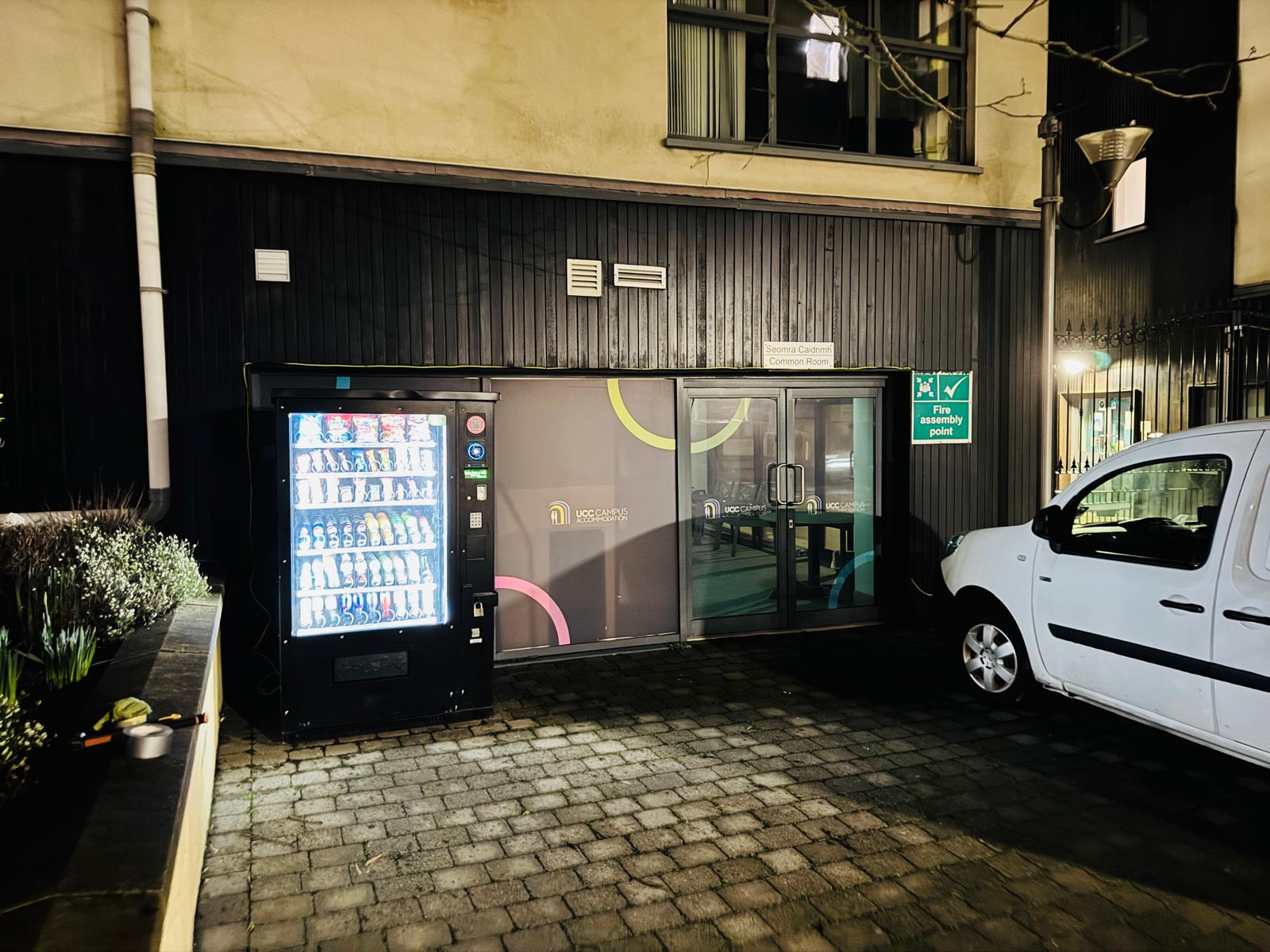
The Importance of Tracking a Vending Fleet
Keeping track of inventory across a large vending fleet is essential for smooth operations. Without accurate tracking, machines can run out of popular items, resulting in lost sales and frustrated customers. Regular monitoring helps operators identify trends, adjust product quantities, and ensure timely restocking. By understanding which machines need attention and when, operators can plan routes efficiently and maintain consistent product availability across the fleet.
Using Technology for Efficient Inventory Management
Digital solutions simplify inventory oversight for a vending fleet. Cloud-based management systems and smart sensors allow operators to monitor stock levels in real-time. Alerts can notify operators when products run low or expire, preventing shortages and waste. Many businesses explore platforms like vending-machines.ie to implement these technologies. By leveraging such tools, operators save time, reduce manual errors, and make data-driven decisions that improve both customer satisfaction and operational efficiency.
Planning Routes and Restocking Schedules
Efficient route planning and restocking are essential for managing a large vending fleet. By grouping machines based on location, traffic, and sales trends, operators can minimize travel time and costs. Integrating inventory data with predictive analytics ensures each machine is stocked with the right products at the right time. This approach reduces fuel expenses, staff hours, and machine downtime, while allowing operators to focus on strategic improvements. Proper planning keeps the fleet efficient and consistently meets customer demand.
Forecasting Demand Across Machines
Analyzing customer behavior allows operators to forecast demand for every machine in a vending fleet. By using historical sales data, seasonal patterns, and location insights, operators can determine the right products and quantities. Accurate forecasting prevents overstocking and understocking, reducing waste and missed sales opportunities. This proactive strategy ensures machines consistently meet customer expectations, improves satisfaction, and supports overall fleet profitability. Operators can make informed decisions that optimize inventory, streamline operations, and boost revenue across all vending locations.
Best Practices for Managing a Vending Fleet
To manage a vending fleet effectively, operators should maintain accurate records, use digital tools, and implement regular audits. Standardizing processes across machines helps streamline operations. Additionally, updating products based on customer preferences and monitoring expiry dates keeps the fleet efficient and appealing. By following best practices, operators can maximize sales, minimize waste, and deliver a consistent customer experience across the entire fleet.
Conclusion
Efficient management of a large vending fleet is achievable with the right combination of technology, planning, and data analysis. By tracking inventory, optimizing routes, forecasting demand, and standardizing operations, operators can maintain full machines, reduce waste, and increase profitability. To learn more about tools and strategies for managing a vending fleet effectively, contact us to explore available solutions.