How Do I Reduce Waste in Perishable Product Vending?
Managing vending machines that offer perishable products can be a complex challenge. Spoilage not only causes lost revenue but also negatively affects customer satisfaction and brand reputation. Fortunately, there are several effective strategies to minimize waste while maximizing profits. By implementing smart inventory management, maintaining proper storage conditions, monitoring expiration dates, and using data-driven insights, vending operators can optimize stock levels, reduce spoilage, and ensure products remain fresh. These practices ultimately improve operational efficiency and enhance the customer experience.
Understanding the Challenges of Perishable Product Vending
Perishable products have a naturally limited shelf life, making timely and careful management essential. Items such as fresh snacks, sandwiches, and salads need close attention to temperature, storage conditions, and expiration dates. Without proper handling, spoilage can happen quickly, leading to increased waste, reduced profits, and a negative impact on the reputation of the vending service. Effective monitoring and maintenance are key to keeping these products fresh and customers satisfied.
Using Smart Inventory Management
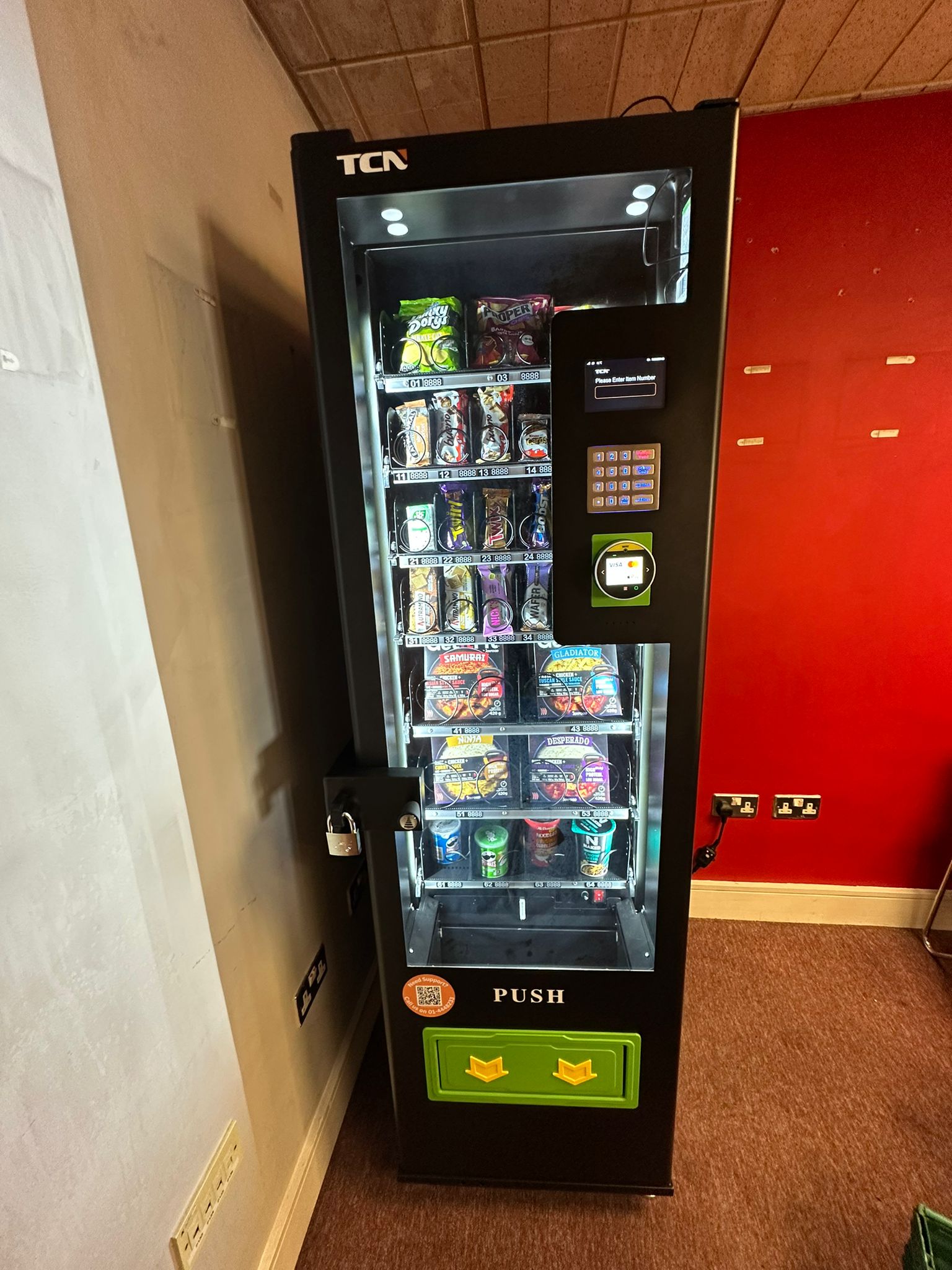
One of the most effective ways to reduce waste in perishable product vending is through smart inventory management. Keeping track of stock levels and product turnover ensures that items are replenished only when necessary. Smart vending machines can alert operators when stock is low or when products approach their expiration dates. This approach helps maintain freshness while avoiding overstocking.
Optimizing Storage Conditions
Proper storage conditions are critical for maintaining the quality of perishable products. Temperature control, humidity regulation, and regular equipment checks prevent spoilage. For instance, ensuring refrigeration units work efficiently keeps products safe and extends their shelf life. Monitoring these factors daily can significantly reduce waste and improve overall machine performance.
Leveraging Sales Data to Reduce Waste
Analyzing sales patterns is another key strategy. By studying which perishable products sell fastest, operators can adjust their orders and stock accordingly. Slow-moving items can be rotated or replaced with popular options to prevent spoilage. Many modern vending systems provide data analytics tools that make tracking trends and making informed decisions easier. For more tips on optimizing vending operations, visit vending-machines.ie.
Implementing Rotation and First-In, First-Out Practices
Maintaining a first-in, first-out approach ensures that older products are sold before newer ones. Rotating stock regularly minimizes the risk of items expiring in the machine. This method also keeps the vending experience fresh for customers, who will consistently find products in good condition. Consistency in rotation is essential for perishable product management.
Training Staff and Monitoring Machines
Staff training plays a significant role in reducing waste. Operators should understand how to handle perishable products, check expiration dates, and maintain equipment. Routine inspections of vending machines help identify potential issues before they cause spoilage. Combining trained staff with smart technology creates a strong system for reducing waste effectively.
Conclusion: Minimizing Waste for Better Operations
Reducing waste in perishable product vending requires a combination of smart inventory management, proper storage, data analysis, and staff training. By implementing these strategies, operators can maintain product quality, satisfy customers, and improve profits. Contact us today to learn how you can reduce waste and optimize your vending machine operations.