
How Do I Track Peak Purchase Hours for Each Location?
Understanding when customers buy is just as important as knowing what they buy. Today, vending operators rely on data to improve performance at every location. Therefore, tracking peak purchase hours helps you restock smarter, reduce downtime, and increase sales. When you know the busiest moments, you can plan actions that match real customer behavior.
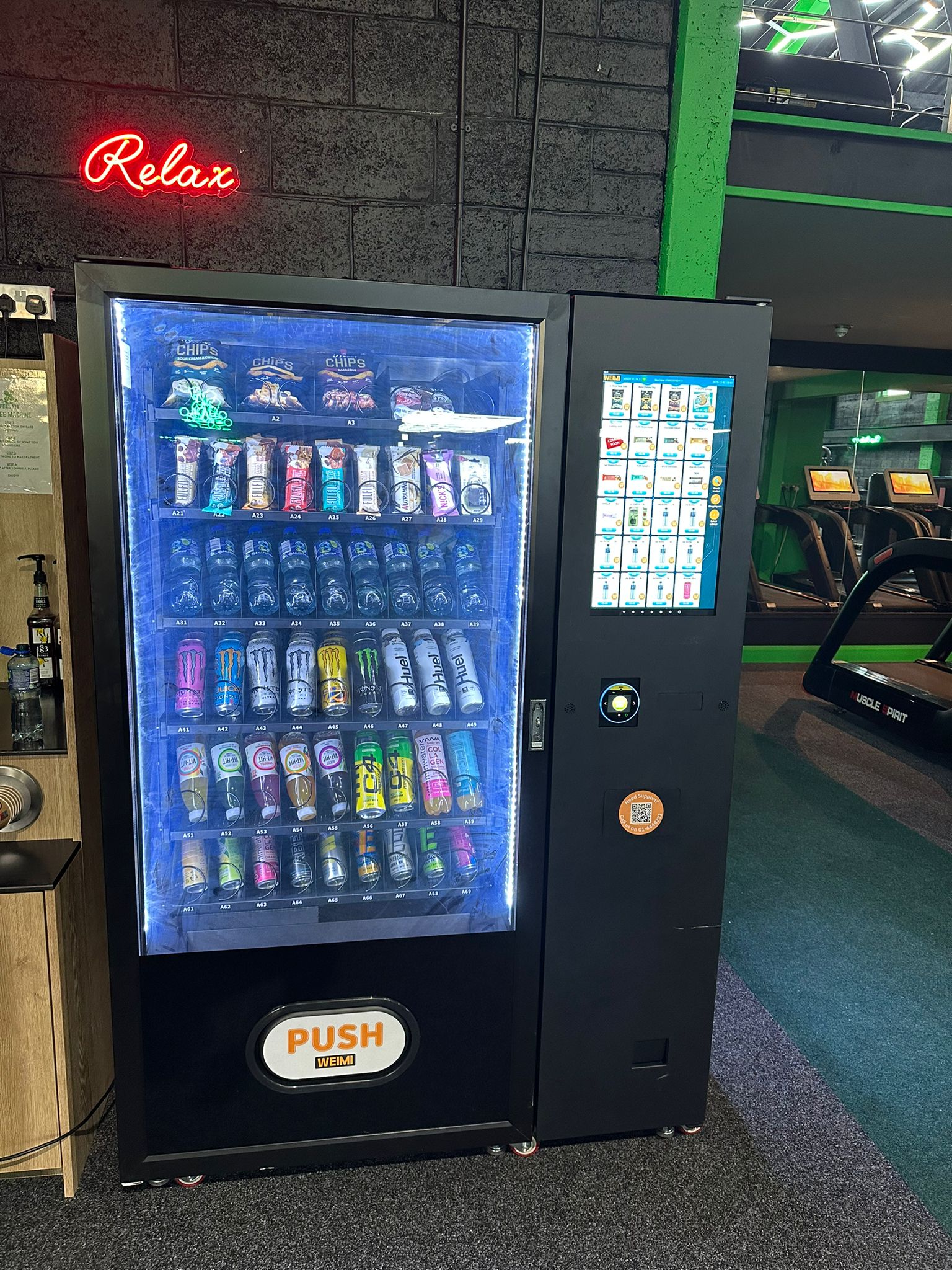
Why Tracking Purchase Hours Matters for Vending Locations
First, purchase hours reveal how each location truly performs. For example, an office building may peak in the morning, while a gym may peak in the evening. Because of this difference, a single strategy rarely works everywhere. Moreover, tracking purchase hours helps prevent empty machines during busy times. As a result, customer satisfaction improves. At the same time, sales losses drop significantly. Therefore, this data becomes essential for long term growth.
Tools That Help Identify Purchase Hours Accurately
Modern vending machines now include digital payment systems and remote monitoring. These tools collect time stamped sales data automatically. As a result, you can see exactly when purchases occur. In addition, dashboards organize data into clear charts. Therefore, patterns become easy to spot. Many operators also export reports weekly or monthly. This process helps compare purchase hours across locations without confusion. Some platforms, including solutions used by vending-machines.ie allow real time tracking. Consequently, operators can react faster to sudden changes in demand.
How Purchase Hours Vary by Location Type
Purchase hours depend heavily on where the machine operates. For example, hospitals often show steady demand throughout the day. However, schools usually peak during short breaks. Similarly, factories may have sharp spikes during shift changes. Because of these patterns, you should analyze each location separately. This approach avoids assumptions and supports better decisions. Also, seasonal changes affect purchase hours. Therefore, tracking trends over time gives more accurate insights than short snapshots.
Turning Data Into Better Decisions
Once you identify peak purchase hours, action becomes easier. First, schedule restocking before busy periods. As a result, machines stay full when demand rises. Next, adjust product selection based on timing. For example, energy drinks may sell better during late purchase hours. Meanwhile, snacks may dominate earlier in the day. Pricing and promotions also benefit from this data. Because you know high traffic periods, you can test offers during slower hours. Therefore, sales spread more evenly throughout the day.
Common Mistakes When Tracking Purchase Hours
One common mistake is ignoring low traffic periods. However, these hours often reveal opportunities for improvement. Another mistake involves relying only on averages. While averages help, they can hide short but important spikes. Additionally, some operators fail to review data regularly. Because customer habits change, purchase hours must be monitored often. Otherwise, strategies become outdated quickly.
Final Thoughts
Over time, consistent tracking builds stronger locations. You gain confidence in decisions because they rely on facts. Moreover, staff time becomes more efficient. As technology advances, tracking purchase hours will become even more precise. Therefore, operators who start now gain a clear advantage. If you want guidance on using data to improve vending performance, contact us to explore smarter tracking solutions and next steps.
Related Posts
 How Can Smart Analytics Predict Peak Vending Hours?
Vending machines are convenient, but understanding when they are most active can significantly boost sales…
 Are Airports a Good Location for Vending Machines?
Airports are widely considered a good location for vending machines thanks to the constant flow…
 How Do I Track and Analyze Customer Purchase Trends?
Understanding customer behavior is one of the most effective ways to grow your vending business.…