How Do Seasons Affect Inventory Planning?
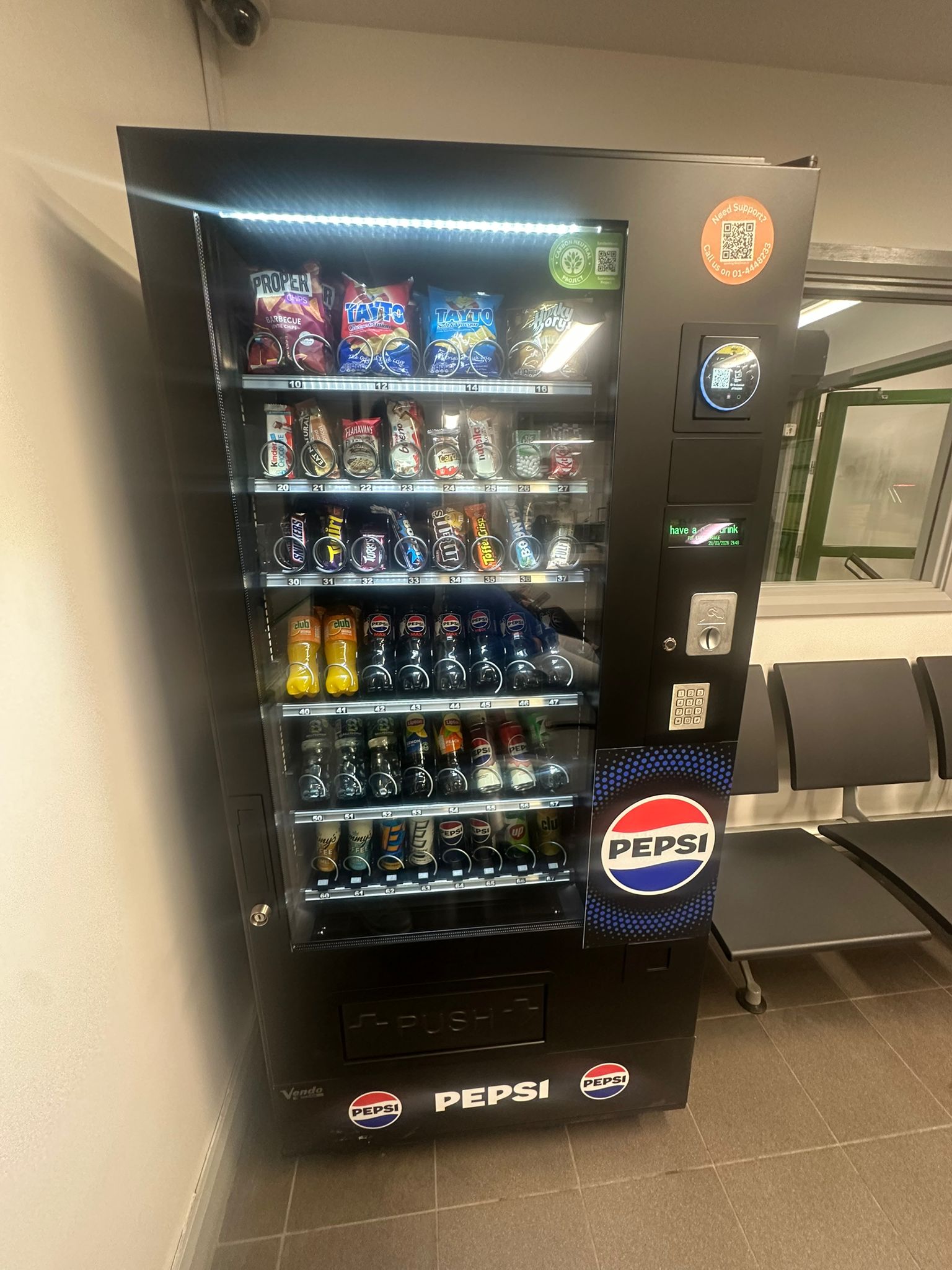
Seasonal changes influence customer buying habits throughout the year. Therefore, businesses must adjust their inventory planning to match changing demand. Products that sell well in one season may perform poorly in another. As a result, careful planning helps reduce waste while keeping popular items available. Businesses that monitor seasonal trends can respond faster to customer needs. Consequently, they improve customer satisfaction and maintain more efficient operations throughout the year. In addition, reviewing past sales patterns helps operators predict future demand more accurately. This proactive approach supports better purchasing decisions, minimizes stock shortages, reduces unnecessary inventory costs, and keeps vending machines stocked with the right products every season.
Why Inventory Planning Changes with the Seasons
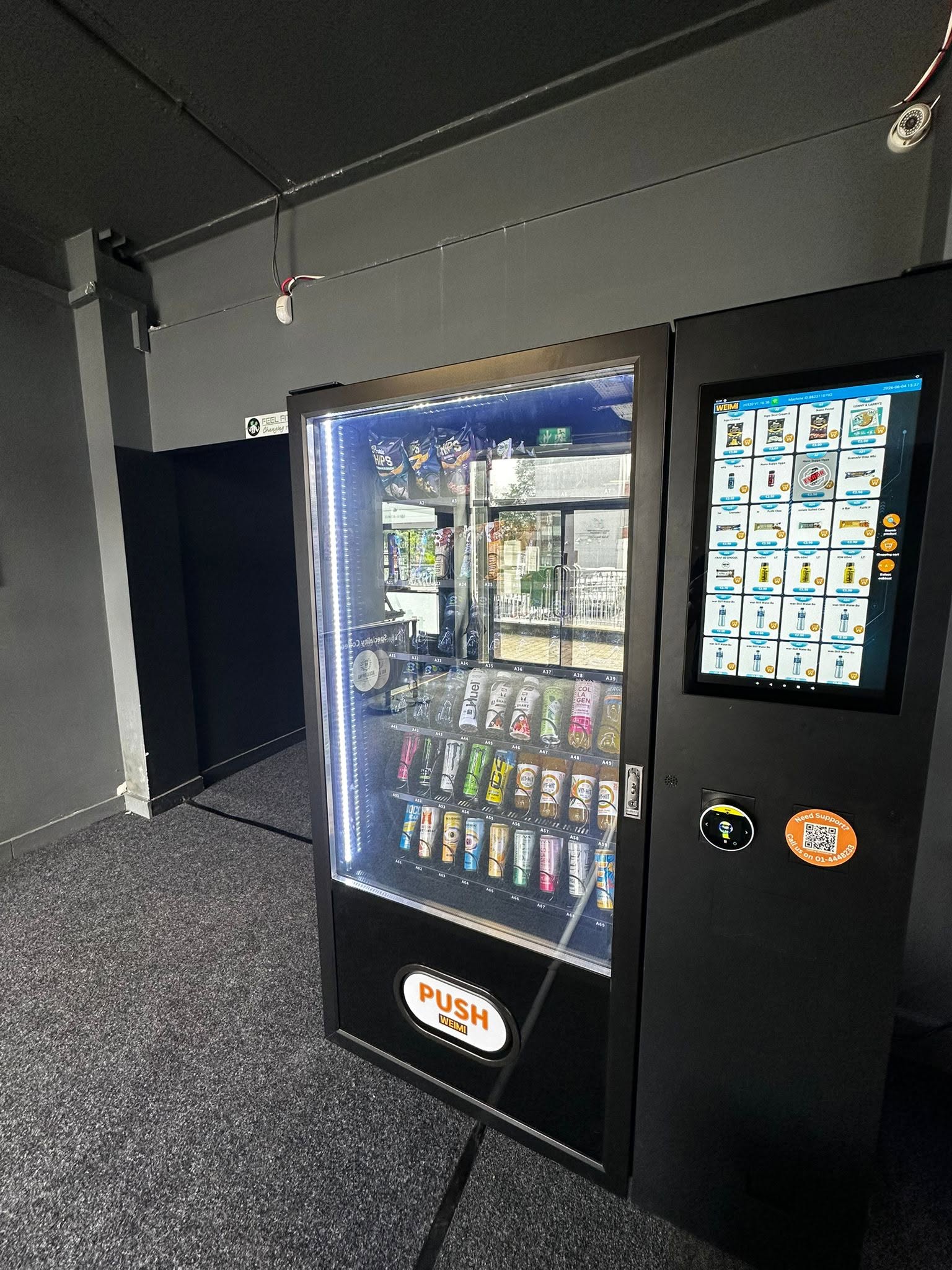
Effective inventory planning begins with understanding how each season affects purchasing behavior. For example, cold weather often increases demand for hot drinks and comforting snacks. Meanwhile, warmer months usually bring higher sales of cold beverages and lighter refreshments. In addition, holidays and local events may create temporary increases in demand. Therefore, reviewing previous sales data helps businesses prepare for predictable seasonal changes and avoid unnecessary stock shortages or excess inventory. This approach also improves forecasting accuracy, supports smarter purchasing decisions, and helps operators maintain the right product mix. As a result, customers enjoy better product availability throughout every season.
Using Sales Data for Better Inventory Planning
Historical sales reports provide valuable insights for improving inventory planning. Businesses can compare performance across different seasons and identify which products consistently sell well. Furthermore, tracking customer preferences makes future purchasing decisions more accurate. This approach also helps operators reduce slow moving stock while increasing the availability of popular products. If you want to learn more about professional vending solutions, visit vending-machines.ie for additional information and industry insights.
Balancing Stock Levels Throughout the Year
Successful inventory planning requires maintaining the right balance between supply and demand. Overstocking ties up valuable resources and increases the risk of expired products. On the other hand, understocking can disappoint customers and reduce sales opportunities. Therefore, businesses should review inventory regularly and adjust product quantities as seasons change. Additionally, flexible ordering schedules help operators respond quickly to unexpected shifts in customer demand while keeping vending machines fully stocked.
Preparing for Seasonal Demand with Inventory Planning
Strong inventory planning also includes preparing for holidays, school schedules, workplace activity, and weather changes. These factors often influence how frequently customers purchase snacks and beverages. Moreover, businesses should communicate with suppliers early to ensure product availability during busy periods. Regular inventory reviews also make it easier to identify trends before they affect sales. Consequently, operators can make informed decisions that support consistent service and better financial performance.
Keep Inventory Planning Flexible
No seasonal forecast remains perfect throughout the year. Therefore, businesses should monitor sales frequently and adjust inventory strategies whenever needed. Small changes made at the right time often prevent larger problems later. Likewise, reviewing customer preferences helps operators keep product selections relevant as demand evolves. A flexible approach allows vending businesses to adapt confidently while reducing waste and improving profitability. Contact us today to learn more about effective vending solutions and practical strategies for managing seasonal inventory with confidence.