
How Do Vending Machines Process Refunds?
When a customer uses a vending machine, sometimes products fail to drop or payments go through incorrectly. In these cases, vending machines process refunds through built in systems designed to handle errors quickly. First, modern machines track each transaction digitally. Therefore, they can identify failed purchases. In addition, customers usually trigger a refund request through a button, QR code, or support line. As a result, the system can review the transaction and confirm whether vending machines process refunds automatically or need operator approval. This process builds trust and improves customer experience.
Common Reasons Vending Machines Process Refunds
Vending machines process refunds for several common reasons. First, product jams often stop items from dispensing properly. Next, payment errors may occur when cards are charged but no item is delivered. In addition, power interruptions can disrupt a transaction midway. Therefore, vending machines process refunds to correct these issues quickly and fairly. This ensures customers do not lose money for failed purchases. Moreover, operators monitor patterns to reduce repeated problems. You can also learn more about system reliability at vending-machines.ie which explains how modern machines improve customer satisfaction. As a result, refund handling becomes smoother over time.
How Payment Systems Process Refunds Automatically
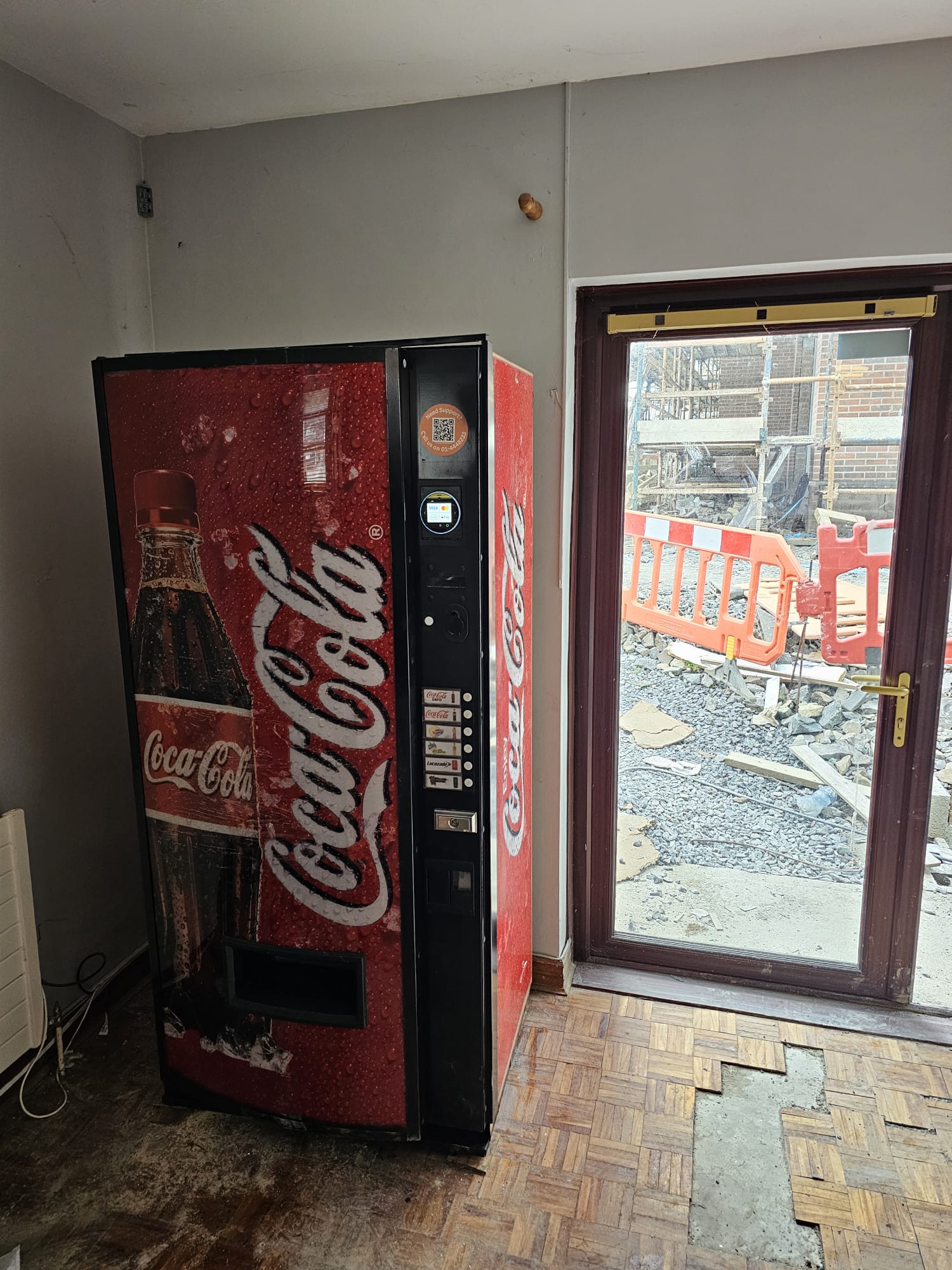
Modern payment systems play a major role in how vending machines handle refunds. First, card readers and digital wallets record every transaction in real time. Therefore, when a failure happens, the system can detect it immediately. Additionally, some machines issue refunds automatically without manual intervention. This speeds up customer resolution and reduces complaints. Furthermore, operators receive alerts so they can verify issues quickly. As a result, refunds are handled more efficiently through automation and smart tracking systems. This improves both accuracy and customer confidence.
Operator Actions After Vending Machines Process Refunds
Even after vending machines process refunds, operators still play an important role. First, they review transaction logs to confirm the issue. Next, they inspect the machine for mechanical or technical faults. Therefore, they can prevent repeated errors in the future. In addition, operators often update software or repair components when needed. As a result, vending machines process refunds not only as a payment correction but also as a trigger for maintenance improvements. This helps ensure long term reliability and better performance for users.
Improving Customer Trust When Machines Process Refunds
When vending machines process refunds smoothly, customer trust increases significantly. First, quick refunds show that the system is reliable and fair. In addition, clear communication reduces frustration during failed transactions. Therefore, businesses that prioritize refund systems build stronger customer relationships. Moreover, consistent performance reduces complaints over time. As a result, vending machines process refunds become a key part of maintaining a positive user experience and long term satisfaction.
Final Thoughts On How Vending Machines Process Refunds
Overall, vending machines process refunds through a combination of smart technology, payment tracking, and operator support. First, systems detect errors quickly and respond automatically when possible. Next, operators step in to resolve more complex issues. Therefore, customers receive fair compensation for failed transactions. In addition, regular maintenance reduces refund frequency and improves efficiency. Contact us today to learn more about vending solutions and how reliable systems can improve your business operations and customer experience.


