Does “may contain nuts” include peanuts on vending snacks?
Does “may contain nuts” include peanuts on a vending snack? Irish food labelling rules list peanuts separately from tree nuts such as almonds and hazelnuts. A warning about nuts alone does not tell you whether the manufacturer has assessed the snack for peanut cross-contact. If you have a peanut allergy and the wording leaves you unsure, choose something you can verify or contact the manufacturer before eating it.
Read the ingredients and the warning separately
Start with the ingredients on the individual pack. Look for the specific food you need to avoid. A manufacturer must highlight a regulated allergen used as an ingredient, for example by using bold type. A cereal bar may list peanuts in the ingredients and carry a separate warning about possible traces of hazelnuts. Reading only the warning would miss the peanuts in the recipe. The Food Safety Authority of Ireland explains both kinds of declaration.
Now check the words near the ingredients for a precautionary statement. A manufacturer can use this to flag possible unintended contact during production. Read the whole sentence. On one wrapper it might mention peanuts by name. On another it might name almonds, or refer more broadly to nuts. Keep the exact wording when asking for help. Changing it to “contains nuts” in a message changes what the label actually says.
When the front of the pack is all you can see
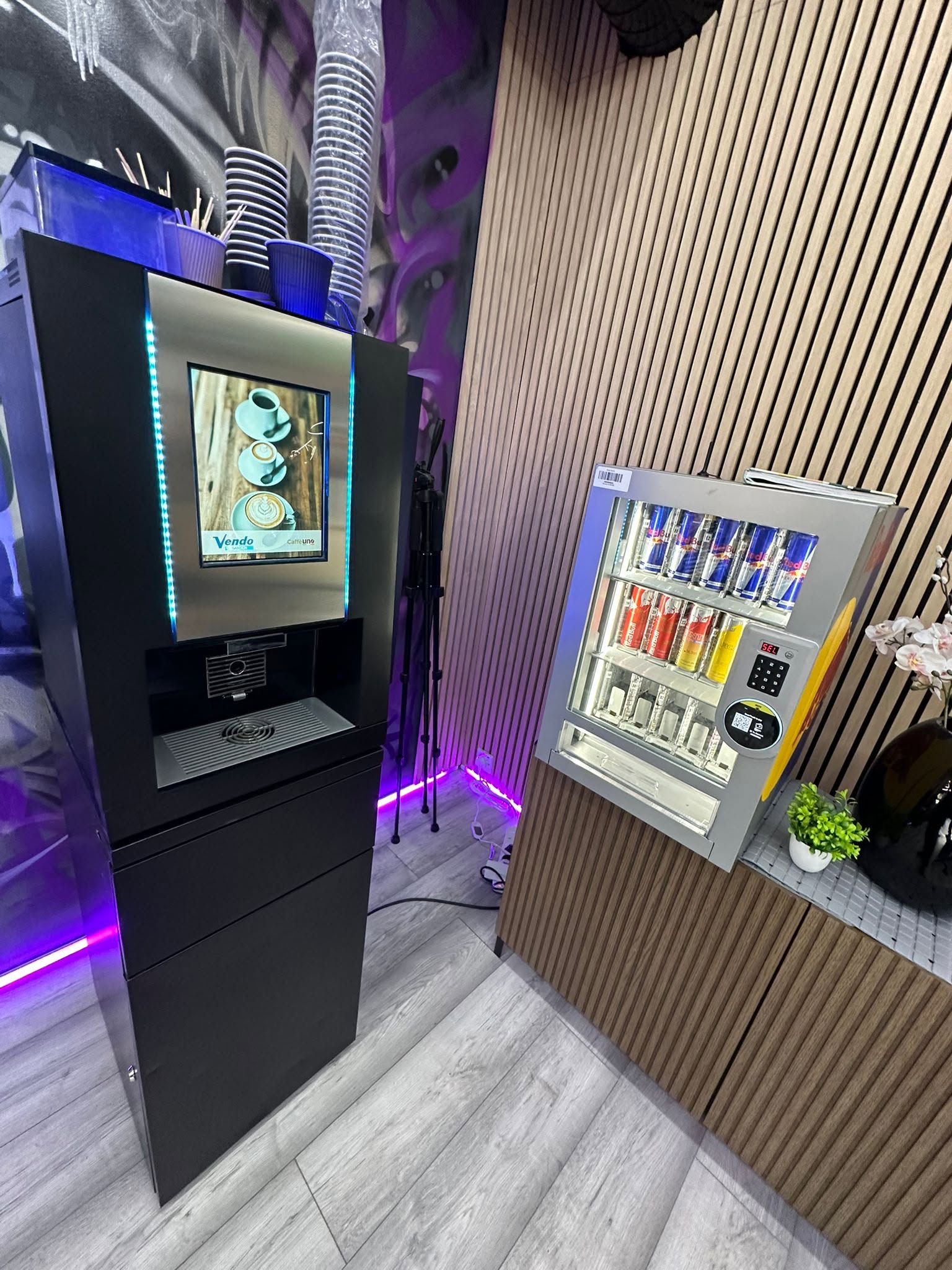
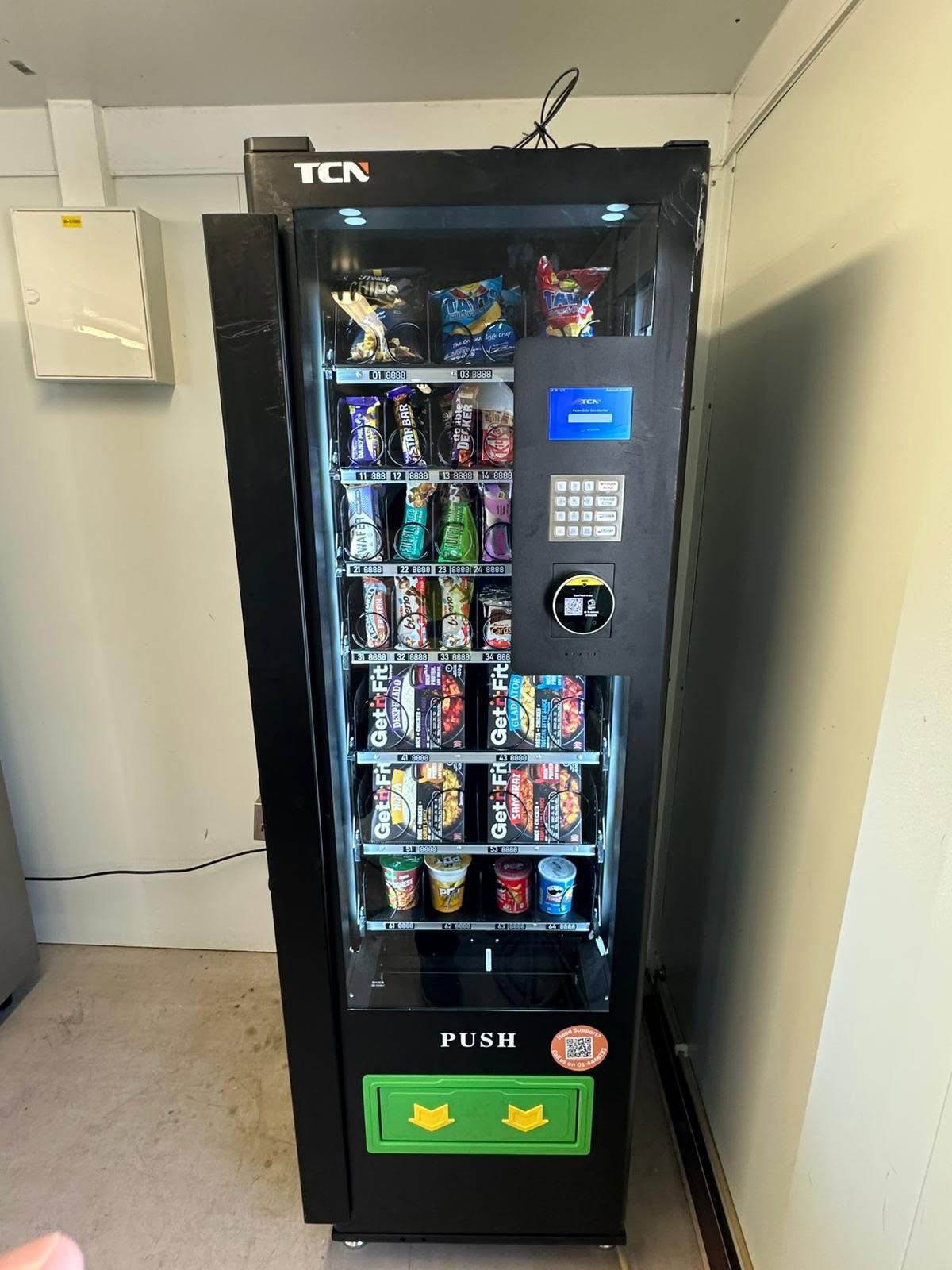
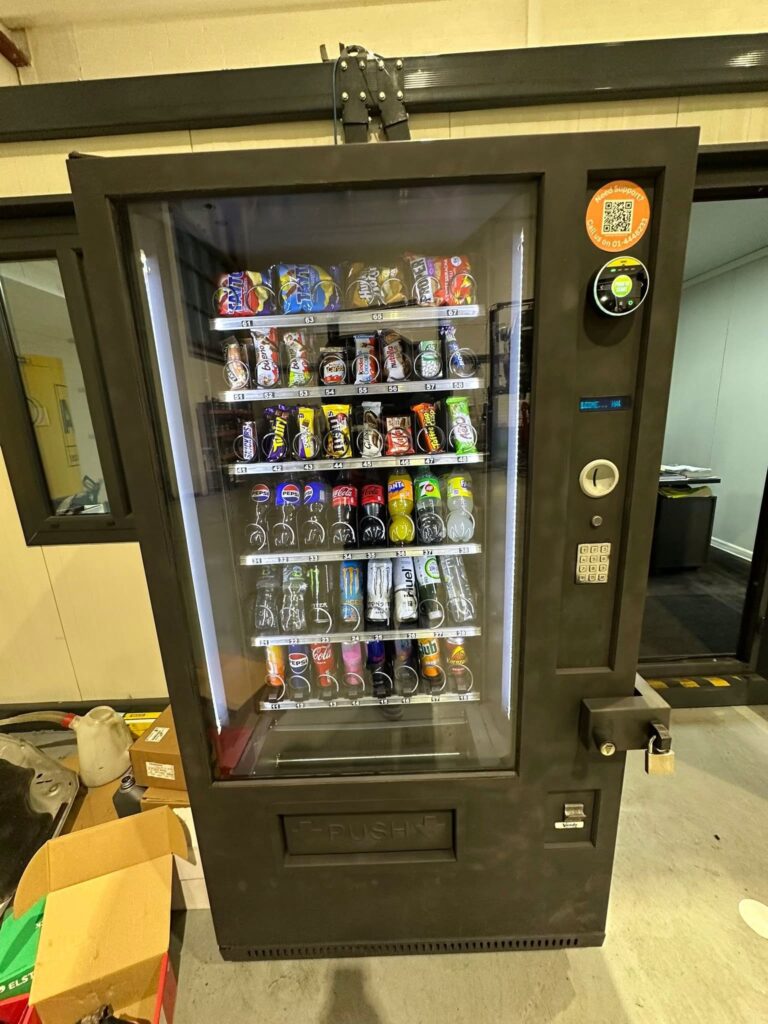
At a glass-front machine the ingredient panel often faces away from the customer. Note the selection code, brand, flavour and pack size. Check whether the machine offers product details before payment. If it does, make sure the details match the item in that row. A photograph of a plain chocolate bar gives you little information about the filled version alongside it.
If you need the label before buying, contact the operator using the details on the machine. Ask for a clear image of the current individual wrapper, including the ingredients and the full warning. A supplier catalogue may show a different size or an earlier recipe. If you already bought the item, keep it sealed while you check. Where the wording remains unclear, the manufacturer can use the barcode and batch information to identify the product you have.
What a workplace can do at refill time
Suppose a refill brings a different flavour of the same brand. A customer may recognise the colours and press their usual selection without seeing the change. Before putting the replacement on sale, check the product name against the selection label. Replace any outdated ingredient sheet. Leave a clear way for staff on later shifts to request information when nobody is at reception.
Give the person answering enquiries a simple record to work from. Include the date of the refill, the selection, the exact pack and the operator contact. Keep the manufacturer’s wording intact when transcribing it. If a colleague reports that the screen and wrapper disagree, record both versions and ask the operator to check the remaining stock. A photograph of each version will help identify which information needs correcting.
For the full list of named allergens, see the FSAI guide for consumers. If you are planning snack vending at work, ask how your team can check a wrapper before a purchase and who will update that information when the range changes.
See also why milk allergens still matter in lactose-free vending snacks.