
What Does a Vending Fleet Cost?
Businesses that plan to install multiple vending machines often ask how much a vending fleet will cost. The answer depends on several factors rather than one fixed price. Machine type, installation, maintenance, product selection, payment technology, and monitoring systems all influence the total investment. Therefore, companies should evaluate both upfront and ongoing expenses before making a decision. They should also consider future expansion, energy consumption, and servicing requirements when creating a realistic budget. A well planned vending fleet can improve convenience for customers and employees while delivering long term value through efficient operations. Careful planning helps businesses maximize performance, reduce unnecessary costs, and build a vending solution that supports their long term operational goals.
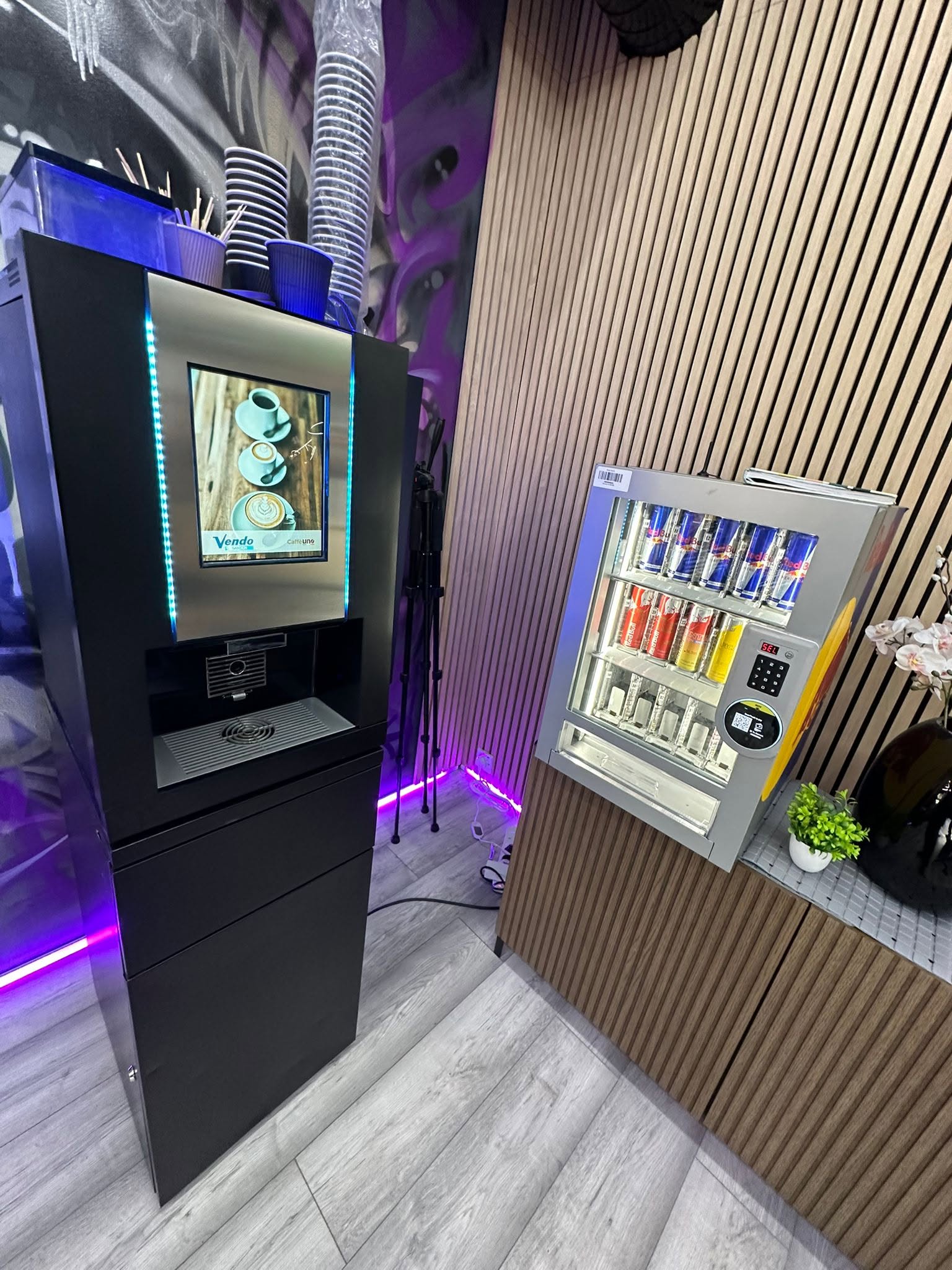
Factors That Influence Vending Fleet Costs
Several elements determine the cost of a vending fleet. First, the number of machines has the greatest impact on the overall budget. In addition, machine size, product capacity, energy efficiency, and advanced features such as cashless payment systems affect pricing. Delivery, installation, and site preparation may also increase the initial investment. Furthermore, ongoing maintenance and servicing should be included when calculating total costs. Consequently, businesses should review all operational requirements before estimating the project budget. Careful planning helps prevent unexpected expenses and ensures the vending fleet delivers reliable performance, long term value, and a strong return on investment.
Planning a Vending Fleet for Long Term Value
The lowest purchase price does not always provide the best value. Instead, businesses should consider long term operating expenses, including maintenance, servicing, and product replenishment. Energy efficient machines may also reduce utility costs over time. Furthermore, selecting reliable equipment can minimize downtime and repair expenses. As a result, investing wisely in a vending fleet often produces greater savings throughout the equipment’s lifespan.
Managing Operating Costs Efficiently
Daily operations play a significant role in overall vending expenses. Regular maintenance keeps machines functioning properly and helps prevent costly breakdowns. Likewise, inventory management ensures products remain available without creating unnecessary waste. Businesses that work with experienced vending providers, including vending-machines.ie, can often streamline these processes more effectively. Additionally, modern monitoring systems help operators track stock levels and schedule refills only when needed. Therefore, businesses can improve efficiency while controlling operating costs.
Expanding Your Vending Fleet Over Time
Many organizations begin with a small installation before expanding their vending fleet. This approach allows them to evaluate customer demand before adding additional machines. Moreover, performance data helps identify the most profitable locations and product selections. Companies can also introduce new machine types as workplace or customer needs change. Consequently, gradual expansion reduces financial risk while supporting steady business growth.
Choosing the Right Investment Strategy
Every business has unique goals, budgets, and operating requirements. Therefore, the ideal vending fleet depends on expected demand, available space, maintenance resources, and future growth plans. Careful planning helps organizations balance initial costs with long term benefits. Businesses that evaluate all expenses before investing are better positioned to achieve reliable performance and customer satisfaction. Contact us to learn more about vending solutions that support your operational goals while delivering lasting value.


