A Micro-Market Customer Leaves an Item at Checkout: Keep Ownership Clear
A customer finishes at a micro-market checkout but leaves a snack on the counter. The next customer cannot tell whether it was paid for, set aside before payment or simply forgotten. Keep the item separate from the next basket and use the site’s agreed assistance process rather than guessing who owns it.
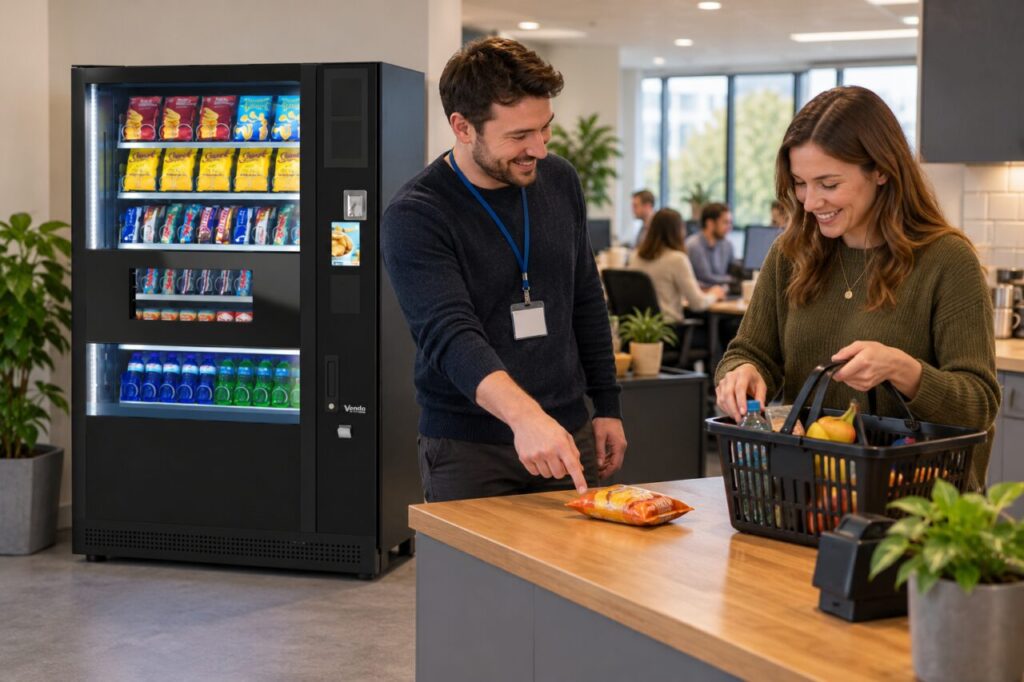
This is a small operational issue that can create avoidable confusion. An item left in the checkout area should not automatically become part of the next customer’s purchase, and a host should not assume that putting it back on a shelf resolves the transaction question. Establish what happened first.
Pause the handover between customers
If you are the next customer, avoid adding the unattended item to your own basket. Follow the checkout instructions and seek help if the previous transaction appears unfinished. Do not use another person’s receipt or payment session as the starting point for your purchase. The exact recovery steps depend on the installed checkout system.
If the previous customer is still nearby, a simple question may resolve the issue. A host can point out the left item without announcing payment details to the queue. Avoid making accusations when the ownership is uncertain. People can forget an item after a successful purchase just as they can change their mind before paying.
Use the receipt or support process appropriately
Where the customer says the item was paid for, ask them to use the site’s normal evidence process if confirmation is needed. Do not invent a universal rule that every receipt or screen provides the same detail. The operator should explain what the particular system can show and who is authorised to review transaction information.
The site’s micro-market overview describes the open selection and checkout format. That format makes clear customer handovers useful, but it does not establish a specific lost-property or refund policy. Ask the operator to define the process for your location and include it in host training.
Separate the product decision from the payment decision
An item may need to be held aside while its status is clarified. Follow the operator’s product-handling procedure, especially where storage conditions or packaging condition matter. Do not return an item to sale merely because it looks unopened. Staff should know whom to ask when they cannot confirm its handling history.
Record any stock adjustment through the normal process. If a refund or replacement is agreed, link it to the relevant case rather than treating the item as an unexplained missing unit. Keep the description factual: where it was found, when and what action was taken. Avoid recording unnecessary customer details in a public log.
Make the checkout layout support a clean finish
Review whether the collection area makes it obvious which items belong to the current customer. A crowded counter or unrelated stock beside the payment area can make a forgotten item harder to notice. Discuss a practical layout improvement with the operator while preserving the approved checkout arrangement and clear access for customers.
Give hosts a short instruction for the next occurrence, including the support contact and temporary holding process. Test whether a new colleague can follow it without relying on local knowledge. Clear ownership, careful product handling and a separate payment enquiry provide a calmer response than asking the next customer to solve an uncertain transaction at the till.
Related guidance: Two Micro-Market Customers Share a Checkout: Keep Their Baskets Separate.
For help assessing your site, contact Vending-Machines.ie.