
A New Vending Route Takes Longer Than Expected: Time the Work Before Adding Sites
A new vending route can take longer than the driving estimate suggests. Access, stock handling, customer queries and record keeping all use time that may be missing from an early plan. Before adding more locations, observe the work across representative visits and identify where the difference arises. The aim is a realistic service plan, not pressure to complete necessary tasks more quickly than the job allows.
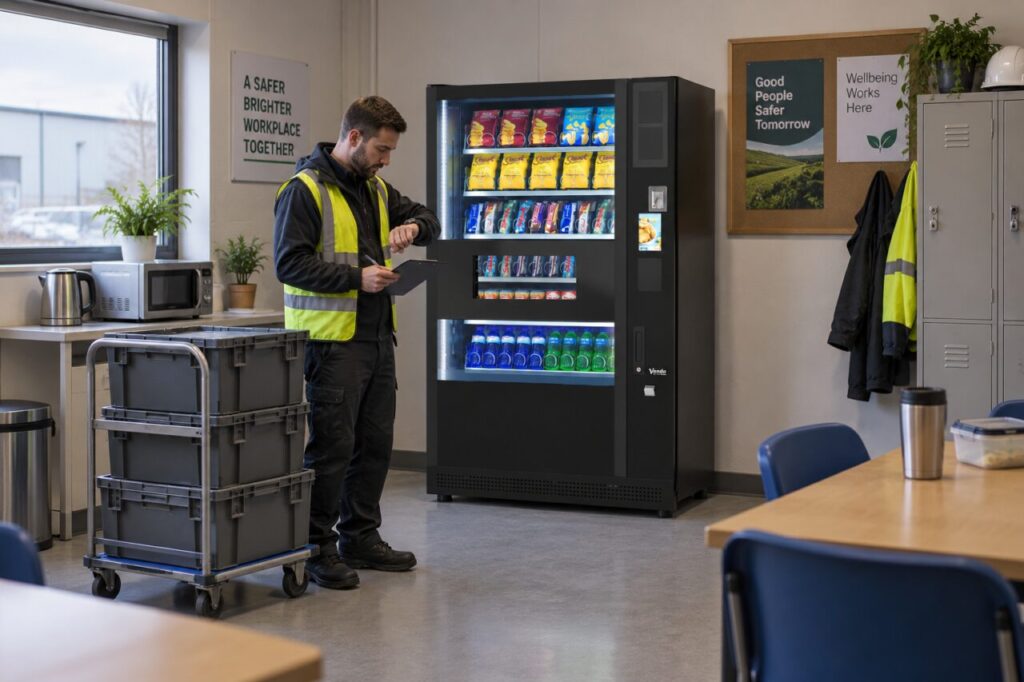
Break the visit into useful stages
Record travel, parking and access separately from the work at the machine. Include time spent collecting keys or waiting for an authorised site contact where those steps are part of the arrangement. Do not merge every delay into a single “refill time”, because the remedy depends on what actually happened. A difficult entrance and a lengthy stock check are different planning problems even if both extend the visit.
Use a simple consistent method that does not distract from safe driving or the work itself. Record timings when stationary and at appropriate points. Note unusual events rather than treating every visit as equally representative. Our vending business guide covers broader planning; this exercise adds evidence about the actual work required by the locations and equipment you are operating.
Include the work away from the site
Count stock preparation, loading and the records needed after the route, not just the minutes beside each machine. If these tasks are omitted, a route may appear profitable and manageable only because part of the labour is invisible. Use the same boundaries each time so comparisons remain meaningful. Avoid counting the same preparation task against several sites unless the allocation method clearly explains how shared time is being distributed.
For a hypothetical illustration, a visit with 20 minutes of machine work, 10 minutes of access and handling, and 15 minutes of allocated travel represents 45 minutes before any separately allocated preparation or administration. These figures are invented, not performance standards. Replacing them with observed times helps you see why a route based only on the 20-minute refill assumption would understate the work involved.
Investigate recurring causes
Look for patterns across several visits. A recurring wait for access may justify discussing a better appointment window with the site. Repeated stock sorting at the machine may suggest clearer preparation at the depot. Ask whether a change would improve the process without compromising required checks or agreed service. Do not remove important tasks from the record just because they make the original route estimate look less attractive.
Separate one-off launch learning from ongoing work. A new operator may initially need more time, but it is risky to assume all extra minutes will disappear with experience. Check which tasks remain necessary and which become simpler through a clearer process. Where training is needed, arrange it through the appropriate route rather than treating speed as proof of competence or comparing people without considering differences between their sites.
Use the evidence before expanding
Update the route plan with realistic time and a sensible allowance for the uncertainties you have actually observed. Consider whether an additional site fits the service commitments of existing locations, not only whether it lies near the driving route. A small geographical detour can still involve substantial access and operating work. Keep demand assumptions separate from the confirmed time needed to maintain an acceptable service.
Review costs and capacity using the updated plan before committing to expansion. Document the basis so a future colleague can understand how the estimate was built. Continue checking when site hours, product ranges or access arrangements change. Timing the work is useful when it leads to a more reliable operation and a clearer buying decision, rather than a spreadsheet that looks efficient while leaving essential tasks outside the calculation.
Talk to us about planning your vending business.
Related guidance: Training a New Vending Operator: Budget for Supervised Practice.