
Training a New Vending Operator: Budget for Supervised Practice
Training a new vending operator takes more than the time spent watching a demonstration. A person may understand an explanation and still need supervised practice to carry out the authorised routine confidently. Build that practice into the operating plan before allocating a full route. The aim is to establish which tasks the trainee can complete correctly, which need further support and who will provide that support.
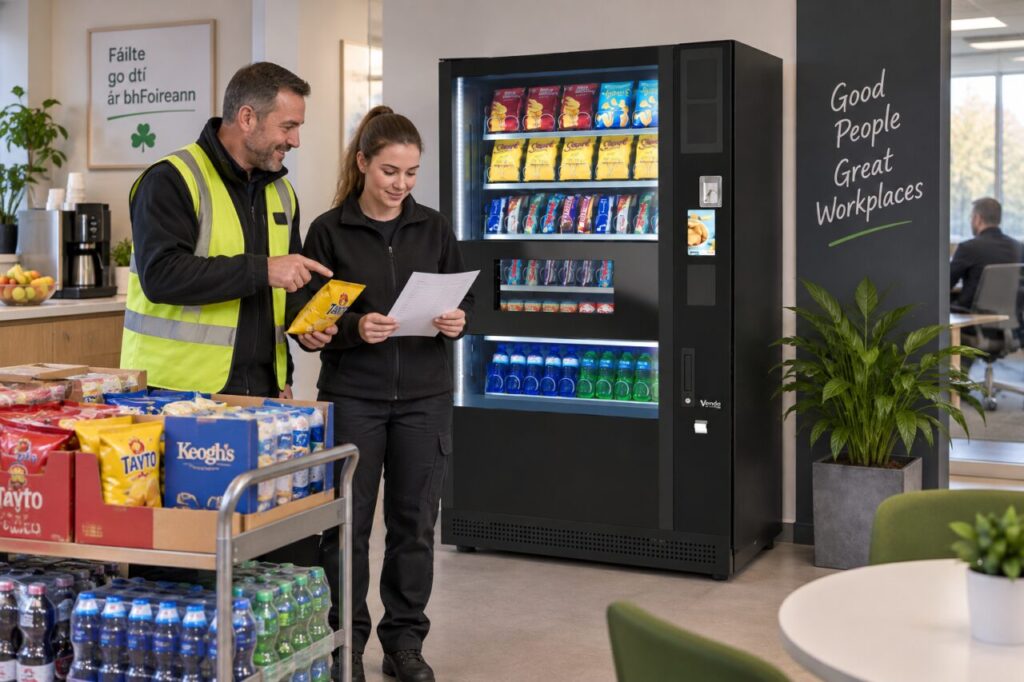
Separate demonstration from supervised practice
Ask the equipment or service provider which activities the operator is expected to perform and what instruction is required. Define the limits of that role clearly. Routine work does not automatically include technical repairs, configuration changes or access to restricted components. The trainee should know when to stop and contact the authorised person rather than trying to solve an unfamiliar problem independently.
Plan time for the trainee to carry out the permitted task while an experienced person observes. Watching somebody check a stock list is different from identifying the correct packs, recording the result and explaining an unexpected difference yourself. Use the actual approved procedure for the machine and site. Do not substitute a generic online demonstration for the instructions supplied for the equipment in use.
Include the work around the machine
A realistic practice session includes preparation, travel arrangements, approved site access and completion of the visit record. These activities can be overlooked if training is measured only by minutes spent at the cabinet. Ask the trainee to explain how they know which site, machine and stock allocation the visit concerns. Correct an unclear record before it becomes the basis for an independent route.
Include product identification and the business’s food-handling procedures in the relevant training. The FSAI’s traceability guidance explains the need to identify food suppliers and retain specified supply records. Show the trainee where the organisation keeps those records and how its own procedure connects stock movement to the visit. Training should make the established process usable, without inventing a separate set of personal notes.
Budget time using observed tasks
Start with an estimate of the supervisor’s and trainee’s time, then revise it after the first sessions. Record the activities that required explanation or repetition. Distinguish learning time from an unusual delay such as an unavailable site contact. This gives a more useful planning basis than assuming every new operator will reach the same pace after a fixed number of hours.
If you attach a cost to the training plan, show the assumptions explicitly. Use the actual agreed time and applicable internal cost figures rather than a claimed industry average. Include any additional attendance arranged with the provider where it has been quoted. The resulting figure is a planning estimate for your operation, not a universal price for training or a guarantee of future route productivity.
Agree readiness and continuing support
Define how the responsible supervisor will decide that the trainee can complete each permitted task. A checklist should describe observable work, such as matching stock to the approved list and recording an exception, rather than a vague statement that training is done. Where a task remains unfamiliar, record the further practice needed and arrange it before expecting the person to handle it alone.
Give the new operator a clear route for questions during the first independent visits. Review the initial records and discuss difficulties without encouraging speed at the expense of the agreed procedure. Our vending business guide provides wider planning context. Treat supervised practice as part of setting up a workable operation, then use actual experience to improve the training plan for the next person.
Contact our team about equipment and operating requirements for your plans.
Related guidance: Buying a Vending Machine: Who Needs Operator Training?.