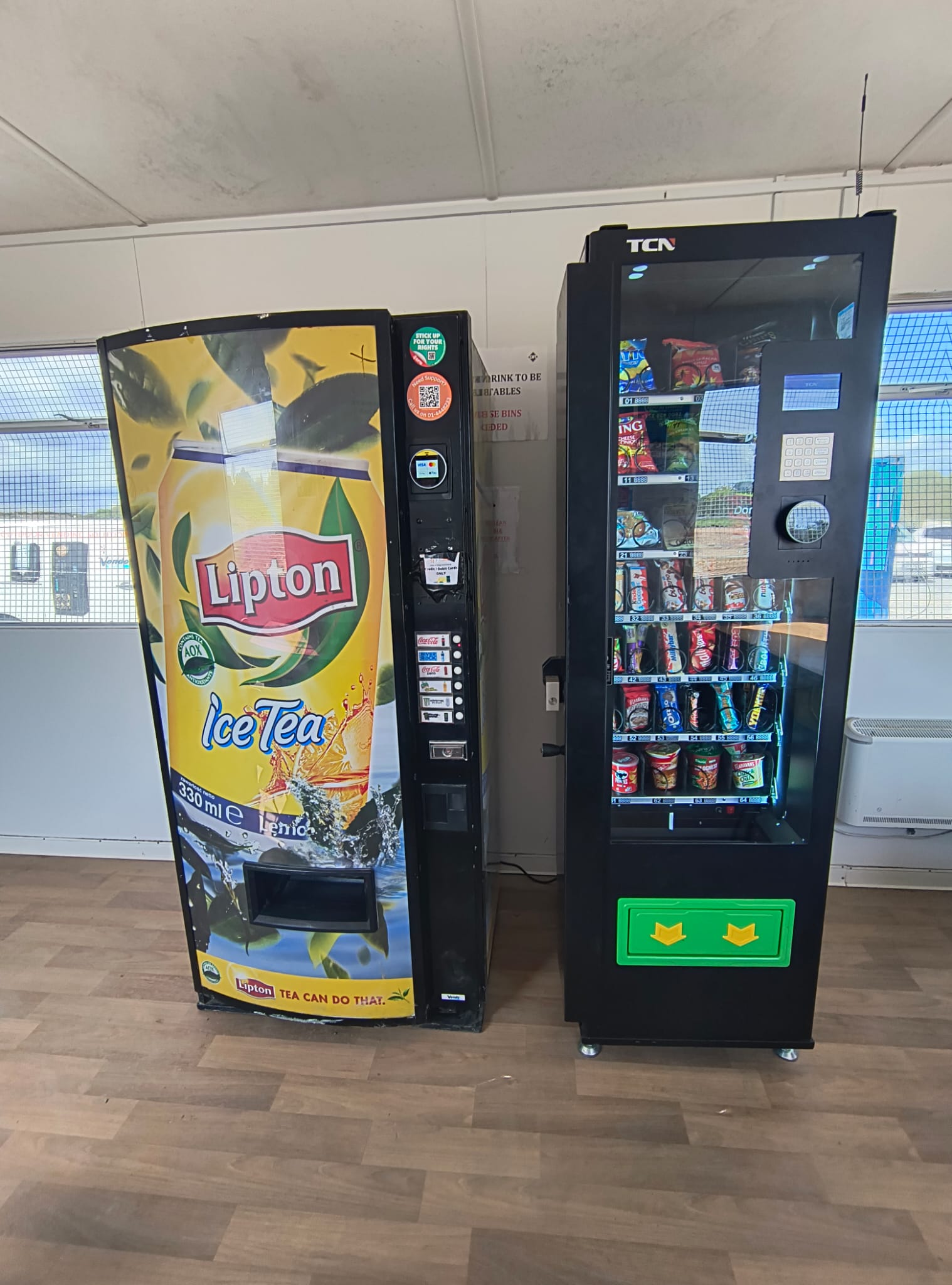
Why is nitrogen used in crisp packets sold in vending machines?
The space in many crisp packets contains a protective gas rather than ordinary air. Nitrogen helps limit contact with oxygen, while the gas-filled space can cushion fragile crisps. It serves a packaging purpose. However, it does not mean every puffed-up packet has the same gas mixture or that damaged packaging is acceptable.
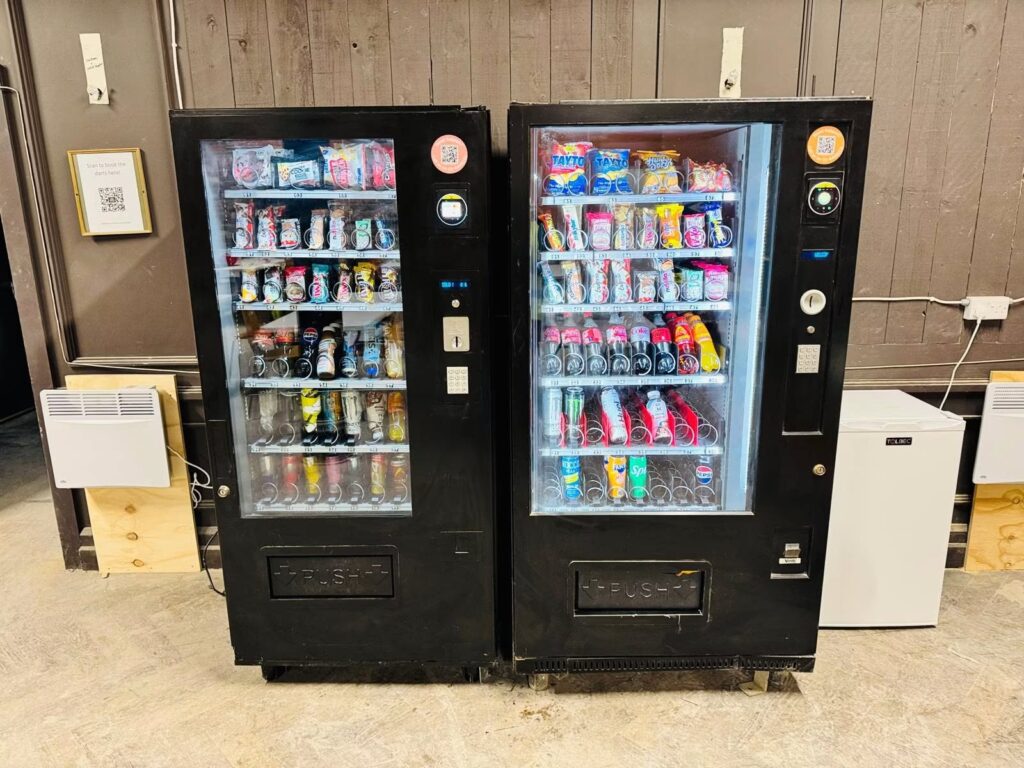
Why crisp packets need protective space
Packaging specialist Linde explains modified-atmosphere packaging for snacks. Reducing oxygen helps protect product quality, and a protective gas cushion helps fragile snacks reach the consumer intact. The exact packaging system depends on the product and its manufacturer’s process.
Therefore, a packet’s outside size is not a direct measure of how much food it contains. Compare the declared net weight when choosing between packs. Two bags with similar dimensions may hold different weights. Likewise, a heavier pack may use a different shape or packaging construction.
For a price comparison, use the same basis for each product. For example, compare the price per 100 grams if that is useful to you. This is a comparison method, not a claim that the largest packet is the best choice. Portion size, price and personal preference still matter.
What a customer should check
Look at the seal, wrapper and date after collecting the snack. A torn seam, puncture or open packet is a reason to report the product. The normal space in an intact crisp bag does not explain away a broken seal. Keep the packet so the operator can identify the batch.
If a purchase seems short of its stated contents, record the product name, net weight, batch code and date. Contact the operator using the details on the machine. A photograph can help describe the concern, but apparent fullness through a window alone cannot establish the actual weight.
Also distinguish a packaging concern from a dispensing problem. If the bag remains caught in the machine, do not rock or tilt the cabinet. Report the selection and transaction instead. The operator needs to know whether the product failed to arrive or arrived with a damaged wrapper.
Loading bags without squeezing them
Operators should test the actual packet in the intended shelf configuration. Measure the filled bag at its widest points, including seals and folds. A nominal pack weight does not describe the clearance needed through a spiral, guide or delivery opening. Different brands of the same weight can behave differently.
Avoid pressing bags flat simply to fit extra stock into a column. Instead, use the machine’s approved shelf and spiral arrangement. Check that each packet sits as instructed and can move without catching an edge. Ask the equipment supplier to resolve a poor fit rather than altering the packaging.
When a manufacturer redesigns a wrapper, repeat the fit check before filling the whole selection. Check the first and last positions as well as the easiest middle position. Keep a note of the exact pack and approved setup so another refill operator can reproduce it.
Use packaging information in range decisions
A successful snack range needs products that customers want and equipment that handles their packaging properly. Our snack machine options provide a starting point for discussing that match. Our guide to salt per pack and per 100 grams covers a separate comparison worth making when choosing crisps.
Finally, retain the manufacturer’s storage instructions. Protective gas does not remove the need for suitable storage and stock rotation. Check new cases before loading, and report recurring wrapper damage with clear batch details. That helps identify the cause without blaming the machine or supplier before the evidence is available.
Discuss your proposed snack packets with us before selecting or changing a vending configuration.