
Spare Vending Keys at Purchase: Agree Custody and Replacement Arrangements
Keys are a small part of a vending purchase, but unclear custody can interrupt routine work long after delivery. Before accepting the equipment, establish which keys or other authorised access methods are supplied, who will hold them and how a replacement request is handled. This is an access-management question, not an invitation for every site contact to open the machine or perform technical work.
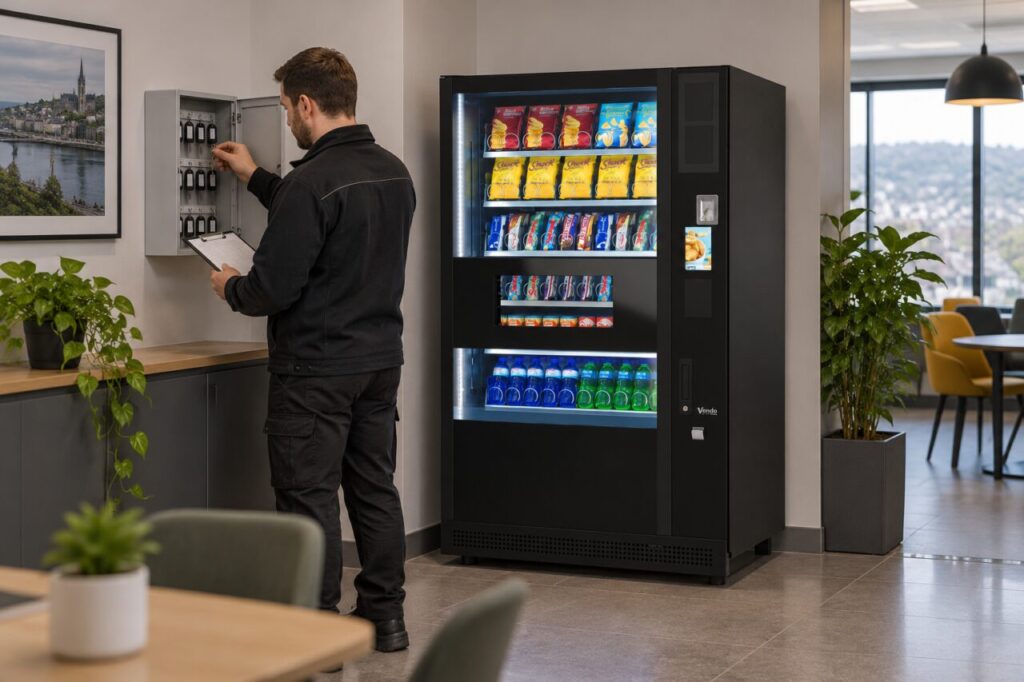
Ask what the supplied access covers
Request a handover list identifying the supplied keys and their intended purpose without recording sensitive key-cut details in an openly shared file. If different access is needed for different duties, ask the supplier to explain that distinction. The number of keys and the arrangements for additional copies should come from your actual order, not an assumption based on another machine.
Make the question part of your vending machine purchase discussion. Ask whether any separate payment equipment has its own authorised access process. Avoid assuming that the cabinet key grants permission to change payment settings, access accounts or undertake repairs. Those responsibilities should be agreed with the relevant provider and reflected in operator training.
Choose named holders and a secure location
Assign custody to roles that need it for the agreed operation. Where a spare is held on site, use the organisation’s approved secure storage and sign-out process. A spare left beside the machine may be easy to find but does little to preserve controlled access. Tell authorised colleagues how to obtain it through the agreed process.
Record when a key is issued and returned, and identify who reviews the record when staff responsibilities change. Keep the register proportionate: it needs to show custody, not reproduce confidential security information. If several machines are present, use a clear internal equipment reference so the team does not rely on a keyring containing unexplained similar keys.
Clarify the replacement route before a loss
Ask whom to contact if a key is lost, damaged or retained by a departing colleague. Confirm what evidence the supplier needs to establish the equipment and authorised requester. Do not publish key codes in a group message or send close photographs of keys to an unrelated service. Use the supplier’s established channel for any sensitive information it requests.
A lost key may require more than ordering another copy. Follow the responsible provider’s advice about the circumstances and necessary action. Do not promise a fixed replacement time or cost without confirmation. If routine work cannot proceed meanwhile, tell the site contact which tasks are affected and agree a suitable temporary service arrangement.
Include custody in later handovers
When an operator changes, count the issued items against the record and confirm what has been returned. Update access responsibilities at the same time as training and support contacts. The published start-up package is one place to discuss the supplied operational support; the details applicable to your order should still be confirmed directly.
Keep a short handover note that a relief colleague can follow: equipment reference, authorised holder, approved collection route and support contact. Do not include instructions for bypassing a lock or improvising access. A clear custody system supports ordinary refilling and service while leaving technical decisions and access changes with the people authorised to make them.
Related guidance: Buying a Vending Machine: Who Needs Operator Training?.
Planning or reviewing vending at your site? Contact the team with your location, equipment details and the question you would like to resolve.