
Two Workplace Sites, One Vending Budget: Compare Needs Before Equipment
Buying vending equipment for two locations can look like a simple opportunity to order the same thing twice. That may be sensible, but only after you compare the needs of both sites. A shared purchasing budget does not mean that the buildings have the same attendance, access arrangements or refreshment gaps.
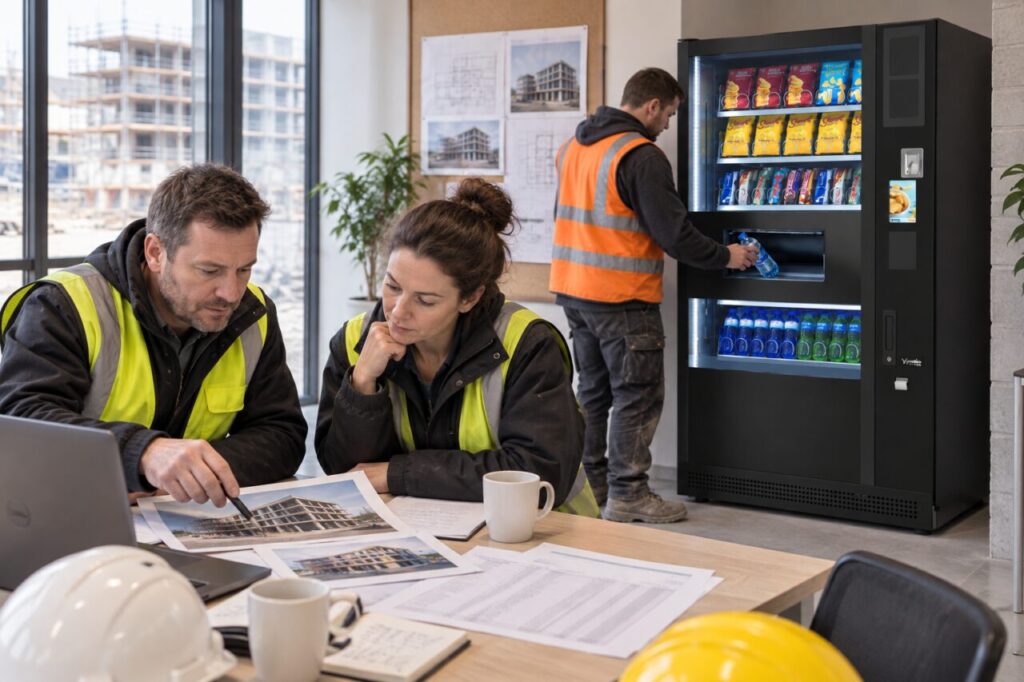
Prepare a separate short brief for each location before asking for a combined proposal. This allows you to standardise useful elements without forcing one site to accept an arrangement designed for the other.
Describe each site’s normal day
Record who is present, when they arrive and where they currently obtain refreshments. Include visitors where relevant, and distinguish a permanent staff population from occasional busy events. Describe the periods when existing food or drink facilities are unavailable.
Ask a local contact to check the information. A central purchasing team may know the official headcount but miss an evening shift, a locked corridor or a break room used by only part of the workforce. Those details can change where equipment belongs and how it should be stocked.
Compare the service workload
For each site, identify who would receive stock, provide access and report problems. If you want an operated arrangement, ask how the proposed service would work at both addresses. Do not assume that one visit schedule or contact procedure automatically suits each building.
If staff will manage the machines, estimate the practical work separately. Travel between sites, available storage and time spent receiving deliveries can matter even when the equipment is identical. Keep uncertain assumptions visible and ask the supplier which ones require a survey or further discussion.
Separate shared and local requirements
A common process for reporting faults or approving products may be useful across both locations. Product choices and quantities may need local variation. Record which requirements must match and which can differ without causing a problem for purchasing or staff.
Our multi-site standardisation guide explains that distinction in more detail. Use it to prepare questions rather than imposing uniformity for its own sake. The outcome should be understandable to the people running each location, not just tidy in a central spreadsheet.
Ask for a transparent combined proposal
Request separate equipment and service details for each address, alongside any shared elements. This helps you see whether an attractive total depends on an assumption that is unsuitable for one site. Ask how the proposal changes if one location opens later than expected.
Do not treat a combined quotation as proof that the same installation conditions apply everywhere. Access, utilities and operating arrangements should be confirmed for each machine. If a supplier recommends different equipment, ask them to explain which site requirement leads to that recommendation.
Allocate the budget around the job
Review which needs are essential at each location before assigning money to optional features. One site may need a more suitable service arrangement while another needs a different product layout. A fair allocation does not always mean spending the same amount on both cabinets.
Use one comparison sheet with a separate column for each location. Include attendance pattern, refreshment gap, access, operator responsibilities and unresolved questions. Leave a cell marked unknown when necessary. Filling every cell with a copied assumption makes the sheet look complete while hiding the very differences that the combined proposal needs to address.
Keep the final decision linked to the two briefs and record any compromises explicitly. This gives local managers a clear account of what was agreed. Review our vending machine options and contact the team with both site summaries when you want a proposal that explains the differences as well as the shared opportunities.