
Planning Coin Payments for Vending: Ask How Change Will Be Managed
If your proposed vending service accepts coins, include change handling in the planning conversation. Customers need to understand what the machine accepts and what to do when they cannot complete a purchase. The site also needs to know which authorised person maintains the payment arrangement and how concerns are reported.
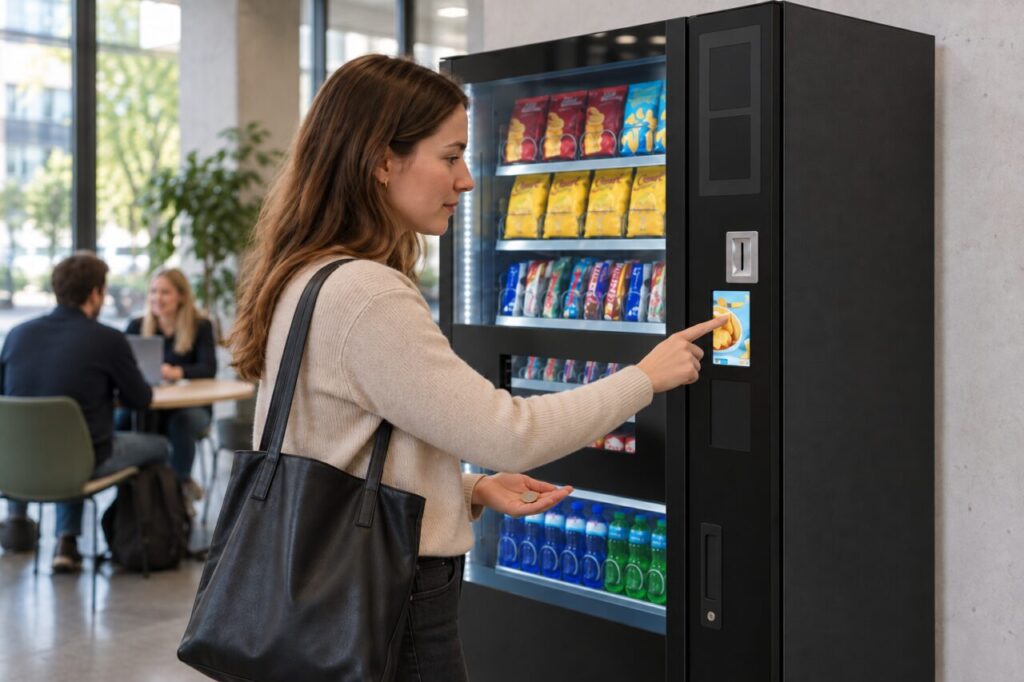
The details depend on the equipment and payment configuration being supplied. Ask the supplier to demonstrate the actual proposed setup rather than treating a general statement that a machine accepts cash as a complete operating plan. Keep the answers with the equipment quotation and handover notes.
Confirm the accepted payment journey
Ask which coins the configured machine is intended to accept and how a customer sees the price before committing to a purchase. Have the supplier explain the normal sequence, including what the customer should expect if they change their mind before completing the transaction.
Use a realistic product price in the demonstration. Do not infer behaviour from another machine that looks similar. Equipment and payment settings can differ, so write the confirmed arrangement in plain language that the site contact can use when helping customers later.
Discuss change availability explicitly
Ask how the proposed setup handles change and which routine checks are needed. Confirm who performs those checks and who is authorised to manage the payment equipment. This is a responsibility question for the supplier and operator, not an invitation for general site staff to open or adjust the machine.
Discuss what customers will see if the normal change arrangement is unavailable. Ask whether the displayed message is clear and what other payment options, if any, are genuinely available on that installation. Do not promise an alternative based on features shown in a different product brochure.
Include the work in the service scope
Identify whether cash handling and related checks sit with the operator or your organisation. Ask how often the arrangement is reviewed and how an unexpected issue is escalated. Keep the process consistent with the site’s existing authorised cash-handling procedures rather than creating informal access for anyone nearby.
A purchasing comparison should include this work alongside stocking and cleaning. Our proposal scorecard guide helps distinguish equipment features from the ongoing responsibilities required to operate them. A feature is only useful when the day-to-day arrangement is understood.
Make customer support easy to find
Agree a visible support contact and the basic information needed to investigate a purchase concern: machine location, time, product and a description of what happened. Customers should not need to guess whether reception, the machine owner or the payment provider handles the first report.
Avoid encouraging repeated attempts when a payment problem is unresolved. Ask the supplier for appropriate customer instructions and use them consistently. If the machine is temporarily unavailable, make that status clear through the agreed process rather than leaving users to discover the problem individually.
Review the arrangement after launch
During an early service review, look for patterns in reported payment difficulties and staff questions. Separate unclear instructions from equipment issues and from a mismatch between the chosen payment options and users’ needs. The response should address the actual pattern rather than simply adding more notices to the cabinet.
When considering vending equipment for your workplace, explain how customers are likely to pay and who will manage the service. That gives the supplier a more useful brief for discussing the payment configuration and its supporting responsibilities.
For help defining a site requirement, contact our team.