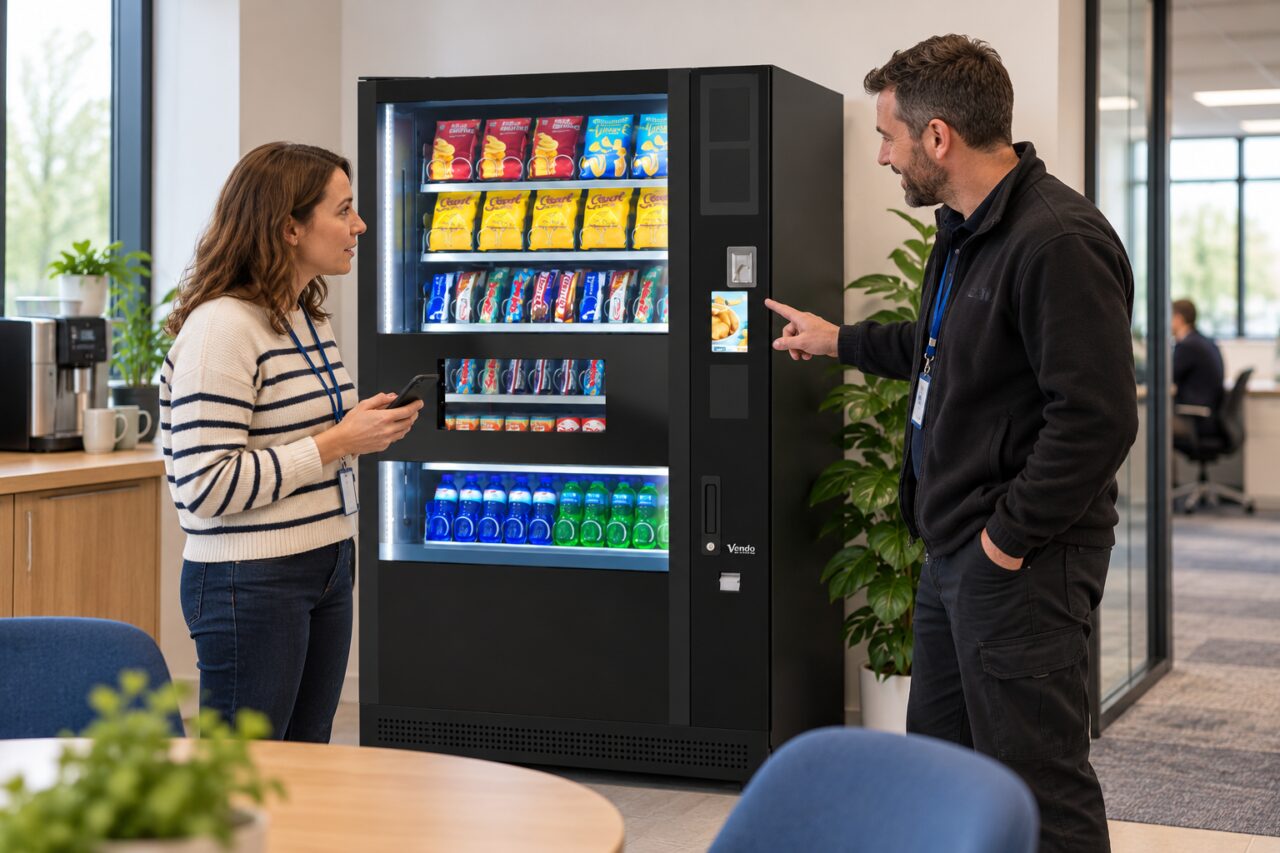
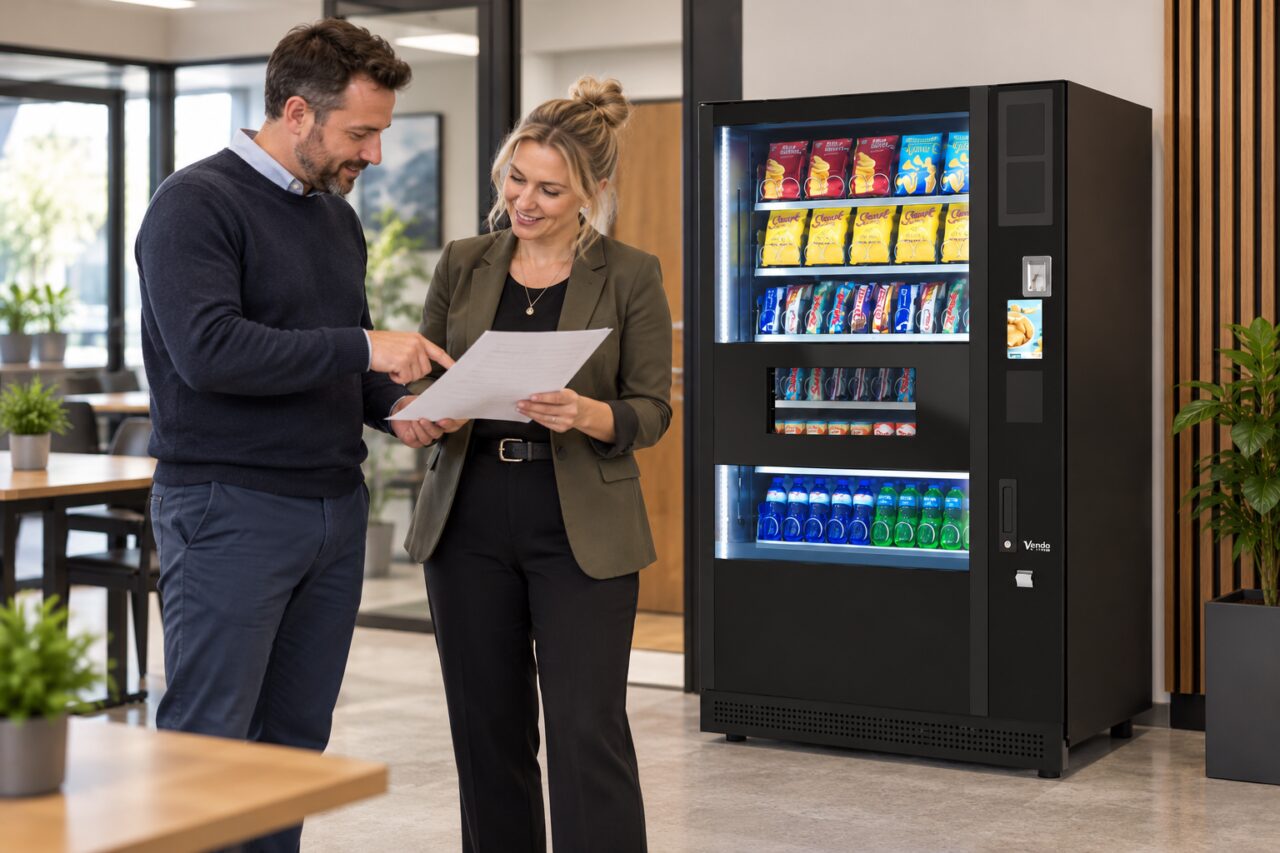
A Vending Complaint Arrives Several Days Later: Reconstruct the Purchase Without Guessing
A customer may report a vending problem several days after the purchase. They might have been travelling, working another shift or waiting to check a payment entry. A delayed report is still worth handling carefully, but the passage of time makes it especially important to distinguish remembered facts from estimates.
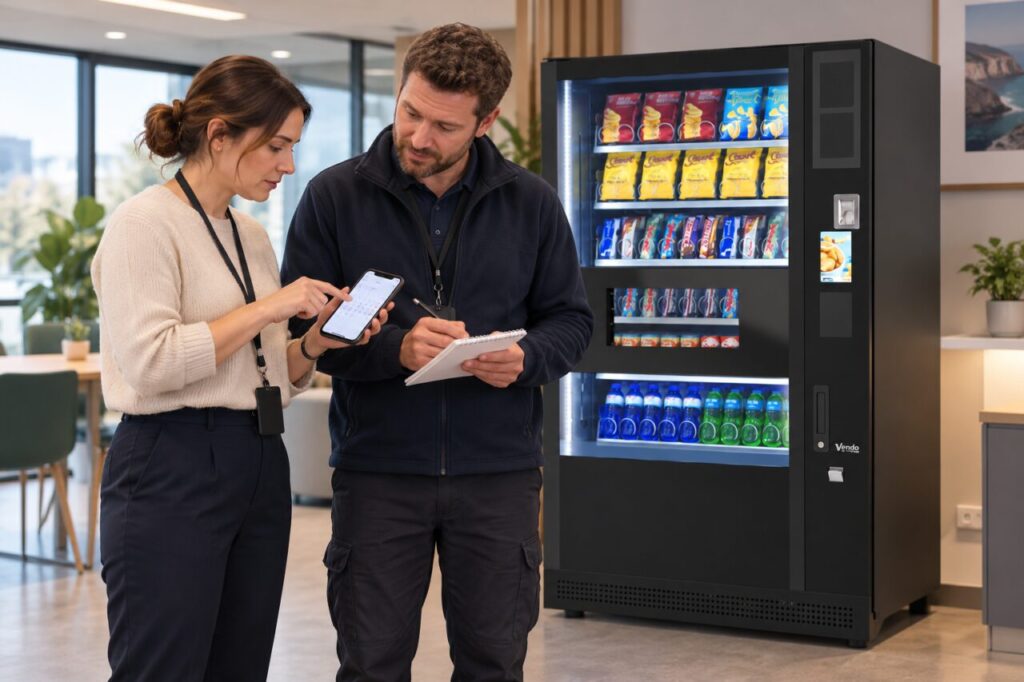
Start by recording the customer’s account in their own terms. Do not fill missing details with what usually happens at the site. The aim is to give the operator enough reliable information to investigate, while being clear about what the customer cannot confidently recall.
Establish a date range before asking for precision
Ask which day or days the purchase could have occurred and what helps the customer remember: a shift, meeting or visit to the building. If they remember only a morning or afternoon, record that range. An honest approximate time is more useful than an exact time invented to complete a form.
Confirm the building, floor and machine location. Similar machines in different rooms can make an otherwise detailed report difficult to match. Include any visible machine reference and the product or selection if known. For vending services and equipment, the correct site and operator contact should be established before forwarding the complaint.
Separate the purchase experience from the payment record
Ask what the customer saw: a selection accepted, a message displayed, a product delivered incorrectly or nothing collected. Keep those observations distinct from a later bank or payment-app entry. The date shown in a payment record may need interpretation by the payment provider; do not assume it proves the exact moment of the machine interaction.
If the operator requests supporting payment evidence, share it through the appropriate private support route and provide only relevant details. Avoid circulating full statements in a workplace group. Never ask for a PIN, password or complete payment credentials. A customer who paid cash may have different evidence, so do not make a card screenshot the only route for reporting a problem.
Build one clear incident summary
A useful summary contains the location, possible purchase window, intended item, amount if remembered, observed outcome and the customer’s contact route. Mark uncertain fields explicitly. Include whether the customer has already contacted the operator, and preserve any existing case reference so the same incident is not investigated as several unrelated requests.
For example, write that the purchase was probably during Tuesday’s late shift and that the selection code is not remembered. Do not convert that into a definite Tuesday evening transaction for a particular lane because it seems likely. If a colleague witnessed the event, identify their observation separately rather than merging it into the customer’s memory.
Explain the next step without promising an outcome
Send the report to the responsible operator and ask what further information is needed. Investigation and any remedy depend on the circumstances and relevant arrangements; a reception colleague should not promise a specific refund or deadline without authority. Give the customer a clear route for checking progress and record when the report was forwarded.
If more detail becomes available, add it to the existing case with the date of the update. Keep the original uncertainty visible so the investigator understands how the account developed. This approach makes a late report easier to handle fairly and avoids turning a small gap in memory into a confident but misleading explanation.
Related guidance: Reviewing Vending Complaints: Separate the Product from the Purchase Experience.
For help assessing your site, contact Vending-Machines.ie.