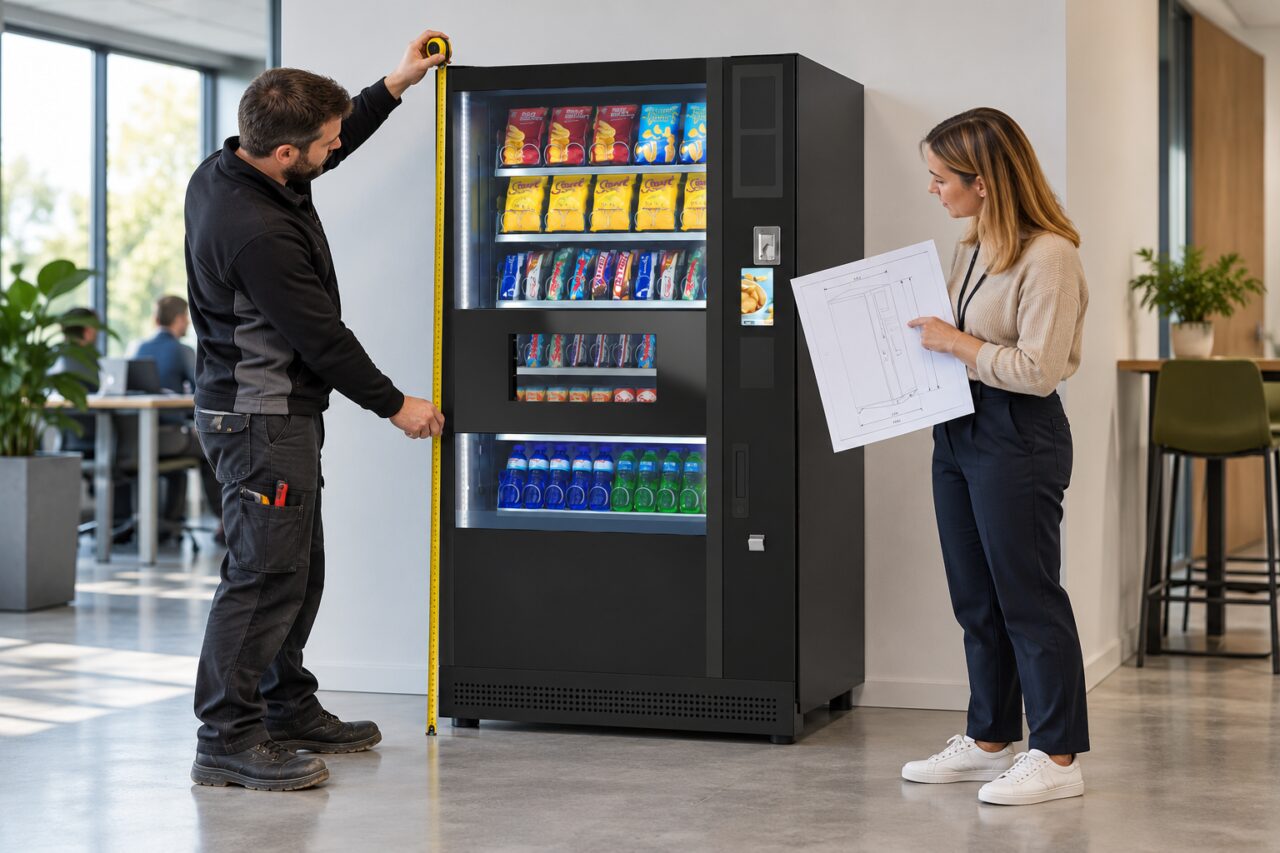
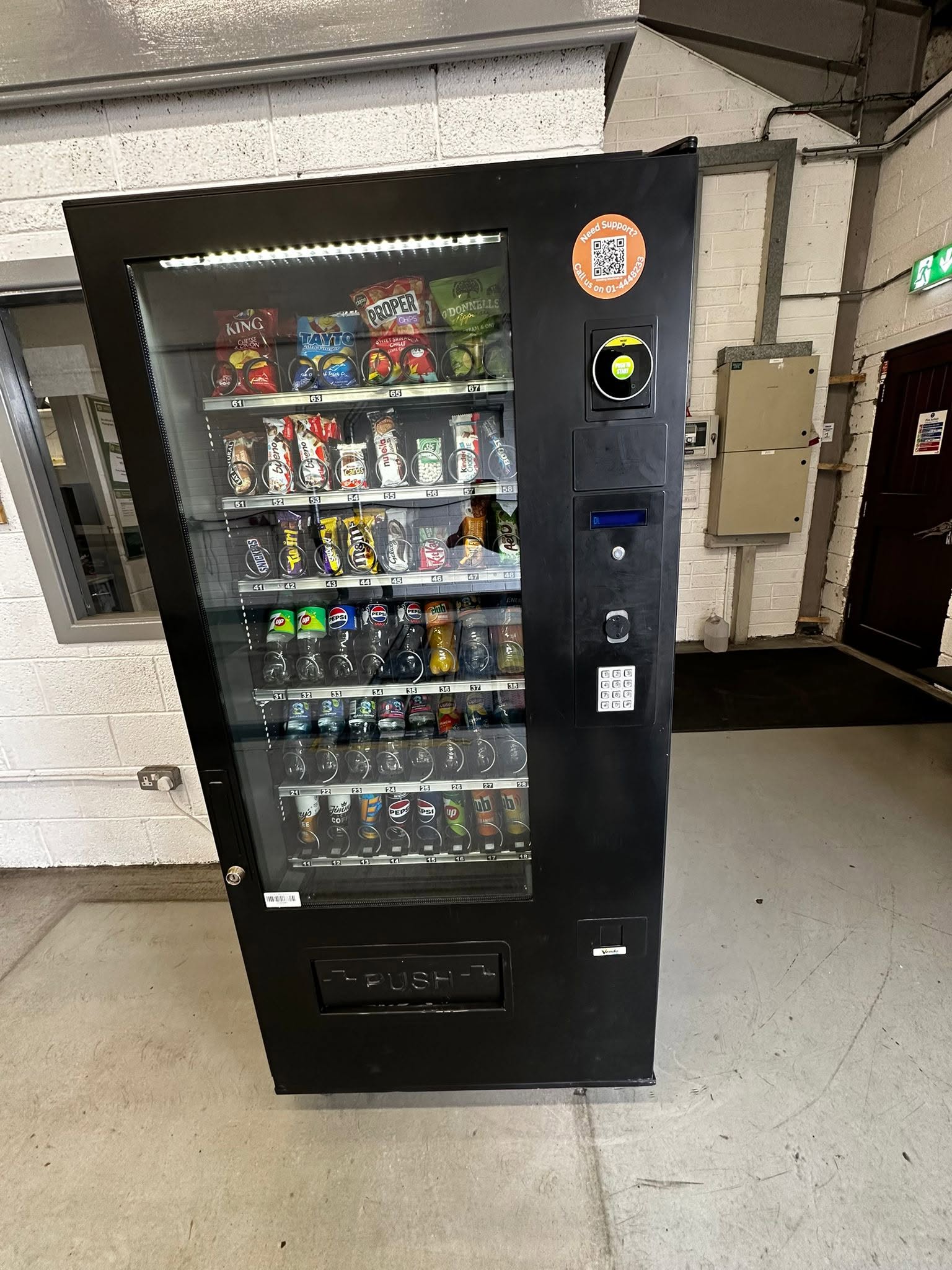
Vending Delivery Photos Show a Different Cabinet Condition: Preserve the Before-and-After Record
The cabinet received at a site may appear to have a mark that is not visible in the supplier’s dispatch photographs. Preserve both records and report the difference promptly through the agreed delivery process. A photograph can document an observation; it cannot by itself establish when damage occurred or who is responsible.
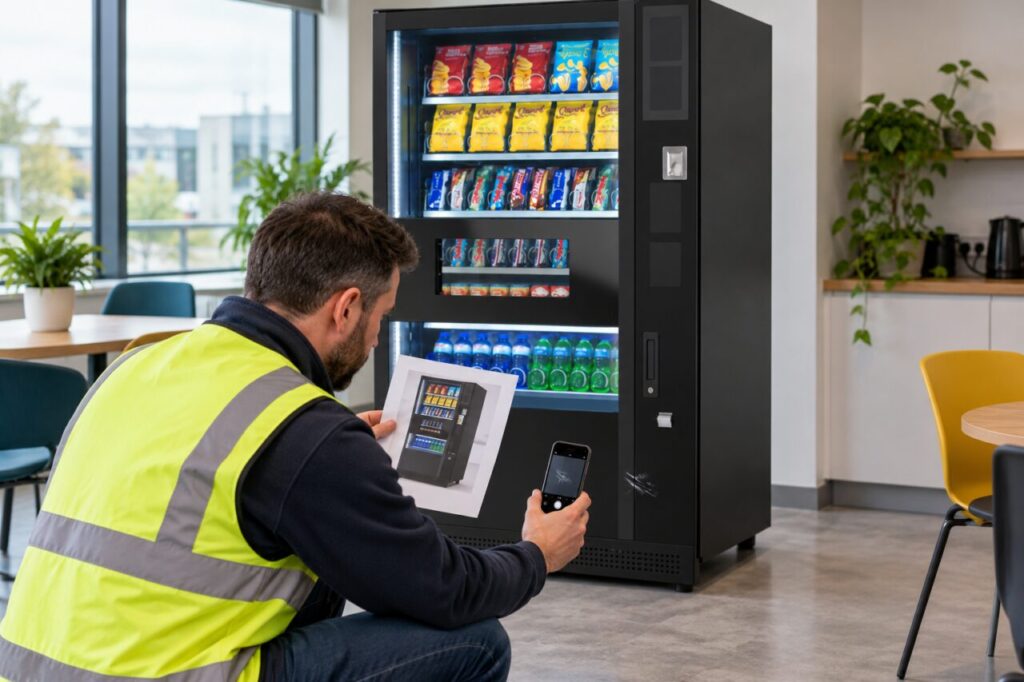
The useful next step is a clear, factual condition record linked to the right machine and shipment. Avoid polishing, touching up or dismantling the cabinet before the responsible parties have assessed the concern. Keep the equipment safe and follow the agreed instructions about whether installation or acceptance should continue.
Check that the photographs are comparable
Match the machine identifier, delivery reference and photograph date where available. Confirm that the dispatch image actually shows the cabinet received rather than a stock catalogue photograph. If the evidence does not identify the same unit, label that limitation. Do not present an illustrative sales image as proof of a particular machine’s condition before transport.
Compare the same area from a similar angle. Reflections, protective wrapping and shadows can conceal or exaggerate a cosmetic mark. Take a clear overall photograph showing where the concern sits and a closer photograph of the detail. Keep the original files rather than using filters or edits that make the condition harder to assess objectively.
Record what was observed at receipt
Write down when the mark was first noticed, who observed it and the stage of delivery or unpacking. Describe the visible condition in ordinary terms: a scratch on a side panel, a dent near an edge or a torn section of packaging. Avoid diagnosing hidden damage or stating that transport caused it unless that has been established.
Use the delivery team’s normal reporting route and retain the reference. If the paperwork permits a condition note, make it precise and consistent with the photographs. Do not sign a statement you know is inaccurate. Where the receiving person lacks authority to decide acceptance, contact the named buyer or site coordinator rather than improvising a commercial settlement at the loading area.
Separate appearance from operating suitability
A small-looking mark does not establish that the equipment is safe or unsafe to use. Ask the supplier or authorised technician whether assessment is required before commissioning. Do not test internal components, open service panels or move a heavy cabinet simply to obtain a better photograph. The delivery and technical teams should handle their respective checks.
Keep any operational concern separate from the cosmetic description. For example, a door that does not appear to close normally needs its own observation and response, rather than being buried in a list of surface marks. Follow site safety procedures and the supplier’s instructions while the condition is being assessed.
Close the record with an agreed outcome
Ask for the next step, responsible contact and expected update date. The outcome might involve inspection, an agreed cosmetic remedy or another resolution under the actual purchase terms. Do not assume a particular refund, replacement or warranty entitlement from a general guide. Obtain appropriate advice if the commercial position remains disputed.
Retain the final response alongside the original evidence and order details. If work is carried out, record what was completed and whether any point remains open. This prevents a later operator from encountering a historic mark with no context or a site manager from believing that an unresolved concern was already accepted as finished.
For a planned vending installation, agree the receiving contact and condition-record process before delivery. That preparation makes a discrepancy easier to handle without turning the delivery day into a debate based on incomplete recollections.
For a proposal suited to your site, contact our team with your location, expected users and main requirements.
Related guidance: A Vending Cabinet Mark Was Recorded at Delivery: Track the Agreed Follow-Up.