
Do vending machine cameras monitor people?
Vending machine cameras do not have one universal purpose, and not every machine contains a camera. Some self-service equipment uses imaging to identify products, while a venue may separately use CCTV for security. A card reader, sensor or dark window is not enough evidence to decide that customers are being filmed. Ask the operator about the exact equipment and the site’s privacy information.
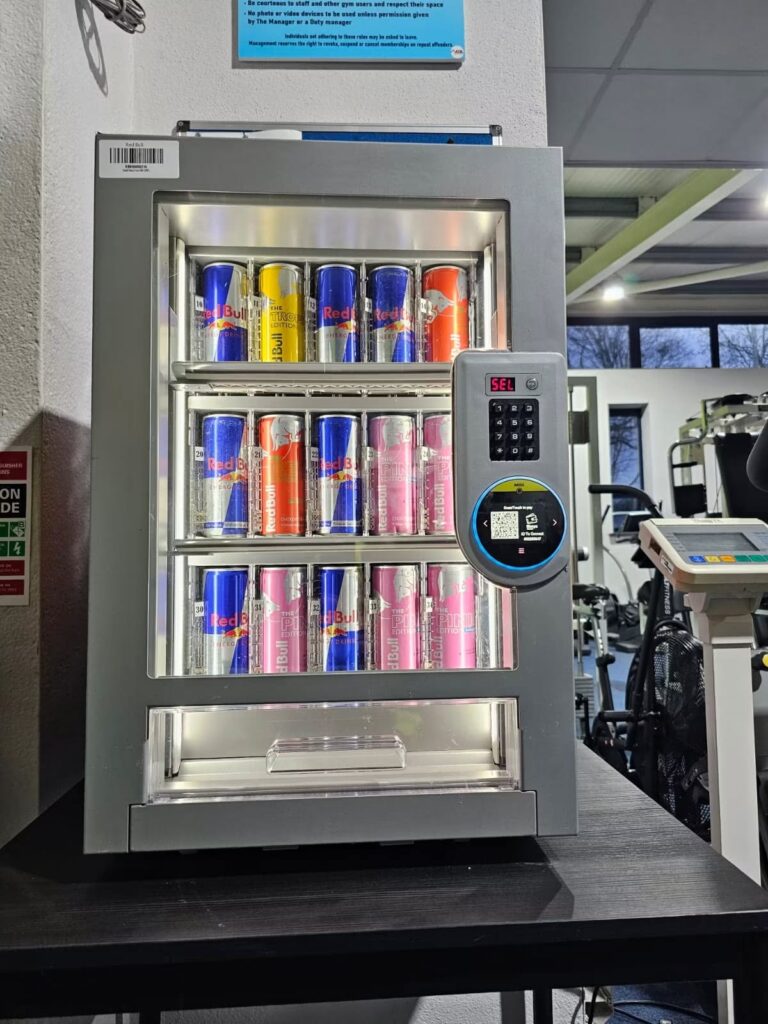
Start with the equipment you are using
Identify the machine number and the organisation responsible for it. Then ask whether it captures images and, if so, what area those images cover. Keep that question separate from whether the surrounding room has CCTV. The vending operator and the venue may be responsible for different systems, so one answer may not describe both.
Do not cover, unplug or damage an unfamiliar component to test what it does. It may be needed for payment or product delivery. A photograph of the front panel, taken without including other people’s personal details, can help the operator identify what you are asking about. Its appearance still does not establish its function on its own.
Monitoring sales is not the same as filming
Connected vending equipment can report operational information without that being a video of the customer. Nayax’s telemetry FAQ describes machine communication and integration capabilities. It is useful evidence that “monitoring” can refer to equipment data, rather than a claim that every monitored machine contains a camera.
Ask what information is collected in the particular installation. Sales records, stock information, payment processing and video images are separate subjects. Avoid assuming that a statement about one answers questions about all the others. Likewise, the presence of contactless payment does not by itself prove either that a camera is fitted or that no camera is present elsewhere.
Ask about purpose and recording
If the operator confirms imaging, ask what it is used for and whether identifiable people can appear in it. Ask whether images are stored, who can access them and where the relevant privacy information is available. These practical questions are more informative than a broad assurance that the machine is “smart” or “secure”.
For Ireland, the Data Protection Commission’s CCTV guidance explains that images of identifiable individuals are personal data. Its guidance is the appropriate starting point for organisations assessing a CCTV system. The details of an actual installation matter; a generic description of vending equipment cannot establish whether a particular arrangement meets its obligations.
Look for the right contact
Read the notice at the venue and any information displayed on the machine. If the notice relates to building security, ask whether it also covers equipment installed by another operator. Where the scope is unclear, request the relevant privacy contact rather than assuming that every system in the room has the same owner or retention policy.
When making an enquiry, describe the location, machine and concern clearly. You do not need to publish a photograph of other customers to ask a question about recording. Keep the correspondence so you can distinguish the operator’s explanation from a guess based on something seen online. If necessary, consult the DPC’s published guidance about your rights and available complaint routes.
Questions for a site manager buying equipment
Before ordering, ask the supplier to identify any imaging functions in the proposed configuration. Include their purpose, field of view and data arrangements in your review. If the supplier changes the hardware or service later, revisit the information rather than relying on an earlier explanation of a different setup.
For a new workplace vending installation, clear customer information should sit alongside payment and service instructions. Our QR payment guide also explains why identifying a visible feature correctly matters. Ask us about the proposed equipment so the right operator can answer configuration-specific questions.