
A Vending Refund Is Requested by Someone Other Than the Buyer: Establish the Right Contact
A colleague, receptionist or manager may contact a vending operator about somebody else’s unsuccessful purchase. Helping the buyer is reasonable, but the operator still needs to identify the transaction and communicate with the appropriate person. Agree who is reporting the incident and who is requesting or receiving any refund before the case becomes confused.
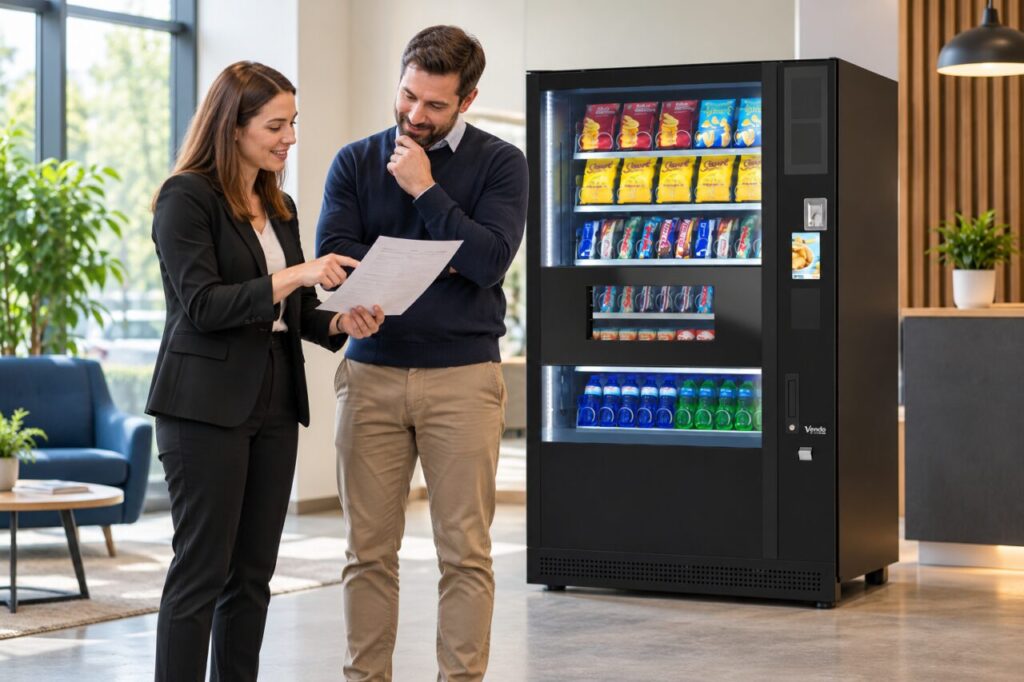
Keep the service problem separate from assumptions about the payment. The person standing beside the machine may not own the card used, and the colleague who first reports a fault may simply be passing on information. Neither situation needs an argument at reception; it needs a clear route to the operator.
Record the incident without collecting unnecessary details
The machine location, approximate purchase time, selection and amount can help explain what happened. Ask the buyer to describe whether a product was delivered and what the machine displayed. Do not ask a colleague to send full card details, banking passwords or a screenshot containing unrelated transactions to a workplace group chat.
Where the operator needs payment evidence, direct the buyer to its stated support process. A host can help identify the machine and support contact without becoming the holder of everybody’s financial information. If the buyer cannot contact support immediately, record a case reference and the agreed next step rather than promising a particular outcome.
Explain the representative's role
Tell support whether you witnessed the purchase, received a report afterwards or are assisting the buyer with communication. These are different forms of evidence. Avoid turning a second-hand account into a statement that you personally saw the machine fail. Accurate descriptions help the operator investigate the correct event.
Ask what confirmation the operator requires before discussing transaction-specific information with another person. Follow that process rather than inventing an informal authorisation rule. This guide does not establish a legal entitlement to act for someone else; it describes a practical way to avoid crossed messages while the provider handles the request.
Avoid two separate refund promises
If the workplace has already reimbursed the buyer under its own policy, tell the relevant internal contact and operator that a payment may already have been made. Keep the records separate so that a service refund is not accidentally treated as a second reimbursement. Do not assume the operator can redirect money to a different person or account.
Likewise, a free replacement item and a monetary refund are not automatically interchangeable. The buyer should understand what has been offered and whether anything remains under review. Reception staff should avoid promising both before checking the provider’s process. Record the agreed outcome once it is confirmed.
Keep the buyer informed through one route
Agree who will receive updates and how the buyer will learn the result. If the host only reported the fault, the operator may handle the payment question directly with the buyer. Close the workplace incident when the machine issue is resolved, while keeping any separate payment case visible to the person responsible for following it up.
For workplace vending enquiries, ask in advance where support information will appear and how hosts should assist customers. A short, accessible instruction beside the machine can reduce confusion when the usual contact is absent. Review the process with reception and shift supervisors so that helpful staff know where their role begins and ends.
Related guidance: Two People Use the Same Card for Vending: Identify the Purchase Before Requesting a Refund.
For help assessing your site, contact Vending-Machines.ie.


