
Vending Route Cover: Check the Difference Between a Visit List and an Access Permission
A vending route list tells a relief operator where work is planned. It does not necessarily confirm that the person is authorised to enter every site or access every machine. Before arranging cover, check both the work schedule and the site’s current visitor process. This is especially important where the usual operator is recognised by reception but their replacement is unfamiliar to the building team.
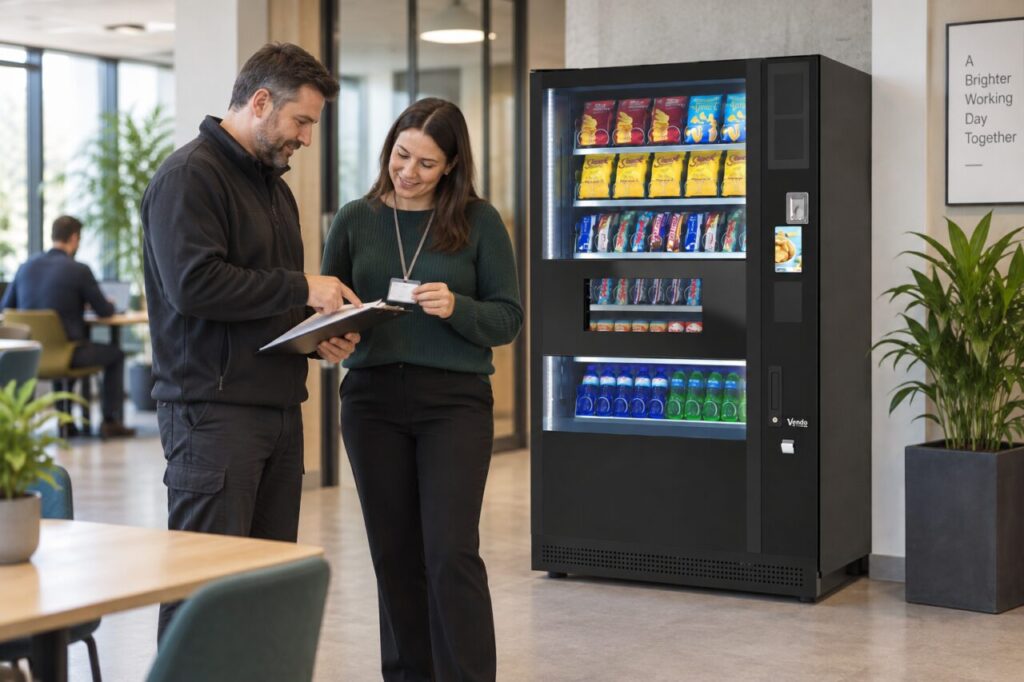
Separate the work list from permission
The route plan should identify the site, equipment and intended task. Access arrangements should state who confirms the visit and what authorised process the replacement follows on arrival. Do not interpret the appearance of a site on a spreadsheet as permission to enter a restricted area. The customer’s procedures still apply, even when the work is routine and time-sensitive.
The operational detail belongs alongside the wider vending business plan. A realistic route needs more than travel estimates and product quantities. It needs a practical way for the assigned person to complete the work at the site. Confirm this with the responsible contacts rather than relying on informal habits that developed around the regular operator over time.
Confirm the replacement through the agreed route
Ask the site contact what advance notice is needed for a different person attending. Supply only the information required through the approved channel. Do not circulate private identification documents or access credentials widely. The replacement should know whom to meet, where to report and what to do if reception has not received the expected notification.
If visitor registration, an induction or another prerequisite applies, establish who arranges it and whether it is complete before dispatch. Avoid telling a replacement to borrow another person’s pass or use a personal access code shared informally. A familiar routine does not make an unauthorised shortcut appropriate. Resolve the access requirement with the site instead of transferring the uncertainty to the arriving operator.
Match permissions to the task
Access to a building does not automatically authorise every activity within it. The planned visit may involve a refill, a stock count or a reported issue requiring a different specialist. Make the task clear and check that the person assigned is trained and authorised for it. Do not add technical work to a routine cover visit simply because the operator will already be nearby.
Keep machine access and site access distinct. The replacement may have permission to enter the room while still needing the appropriate authorised equipment access and instructions. Follow the operator’s established controls for keys and credentials. The route brief should explain the approved process without exposing sensitive details in a document that is routinely printed, forwarded or left in a vehicle.
Plan for a visit that cannot proceed
Give the replacement a clear contact route if access is unavailable or the site conditions differ from the plan. They should record the actual reason and seek the responsible person’s direction, rather than marking the work complete or attempting an unapproved entrance. An accurate incomplete-visit record helps the coordinator arrange the next step and communicate any effect on replenishment.
After the cover period, review any recurring access difficulties with the site contact. Update the route information where the process has changed, and remove temporary arrangements when they are no longer applicable. A reliable route-cover plan combines a clear work list with confirmed permissions. That helps the replacement complete the visit while respecting the customer’s procedures and the boundaries of their own role.
Discuss vending operations for your site.
Related guidance: Vending Route Planning: Separate Refill Work from Service Tasks.