
A Second Lane for a Popular Vending Snack: Weigh Availability Against Variety
A popular snack repeatedly sells out while less familiar choices remain available. Giving that snack a second vending lane may be sensible, but it uses space that could otherwise offer another product. Before changing the layout, establish whether extra depth addresses a real availability problem and what customers would lose from the range.
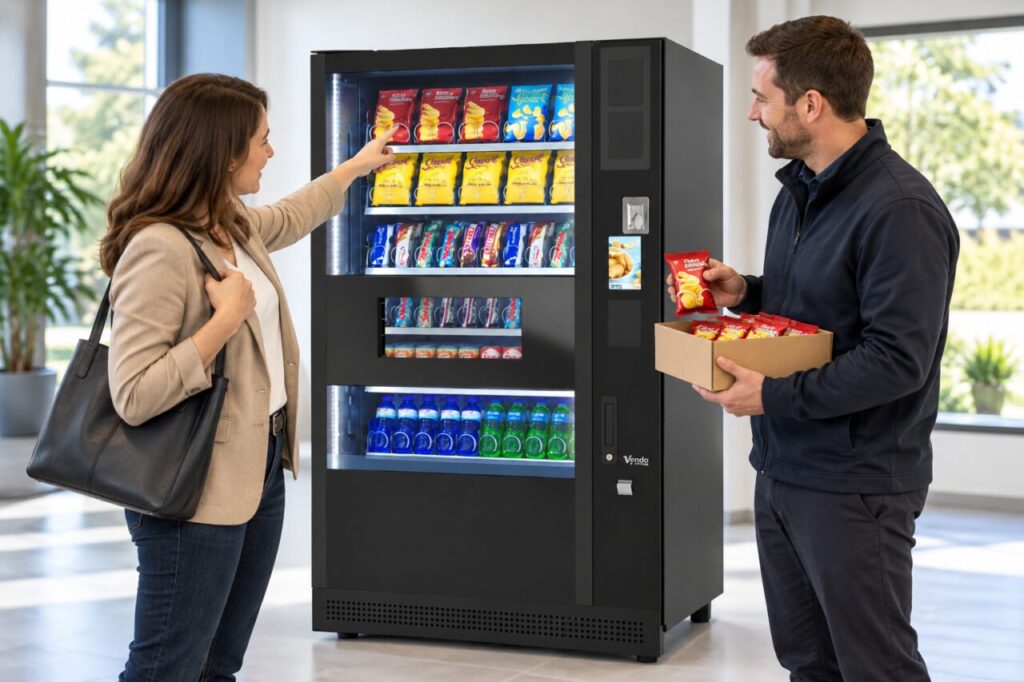
Treat the decision as a small stock-allocation test. It is different from choosing a larger machine or assuming that every empty selection represents a lost sale. Your refill interval, pack fit and demand for the displaced product all matter. The aim is dependable choice within the capacity you actually have.
Identify when the favourite becomes unavailable
Record the last time the product was known to be available and the first time somebody found it unavailable. Note the next refill and whether an alternative sold during the gap. These observations do not measure every missed purchase, but they are more useful than a general complaint that the favourite is always gone.
Check whether the existing lane was filled to its approved working capacity. A shortened refill, a delivery shortage or a loading problem needs a different response from genuinely insufficient space. Do not add packets beyond the validated arrangement to make the figures look better. Ask the operator to confirm the suitable layout for that exact pack.
Decide what the second lane would replace
List the product currently occupying the proposed lane and the reason it is offered. Low sales alone may not capture its value: it might provide a different flavour, price point or dietary choice. Avoid removing the only suitable option for a group of customers without checking the effect on the overall selection.
Also distinguish two lanes containing one product from two different products. A cabinet can look full while offering less variety. The manufacturer’s G-Snack Evolution page lists selections separately from shelves; those headings do not establish how many of your particular packets fit. Obtain a product-specific loading proposal rather than multiplying headline figures.
Compare a realistic refill cycle
Use an illustrative example: a lane holds twelve approved packs and demand between visits is around eighteen. A second equivalent lane could provide room for twenty-four, but it would not guarantee twenty-four sales. The relevant question is whether the extra six expected purchases justify removing another choice or changing the refill plan.
Compare that option with a more frequent top-up, where practical and commercially agreed. Include the extra visit effort and the amount of stock waiting in storage. If the favourite has a short useful selling window, extra loaded stock may create a different problem. Record your assumptions instead of presenting the example as a site forecast.
Test without changing everything else
Agree a review period spanning comparable working days. Keep the product price, pack and normal visit pattern stable where possible. Record any unusual attendance or event that changes demand. Compare availability, total product sales and sales of the displaced choice, rather than celebrating the second lane merely because it was filled.
Ask customers who previously bought the removed product whether the revised range still works for them. If the second lane stays largely untouched, review the original shortage evidence. A reversible layout decision is easier to judge when the operator has kept the previous plan and can explain exactly what changed.
Related guidance: read A Manual Vending Sold-Out Log: Record Availability Without Guessing Lost Sales for the connected question.
Discuss the intended range with our Irish vending team and include the current refill pattern in your enquiry.